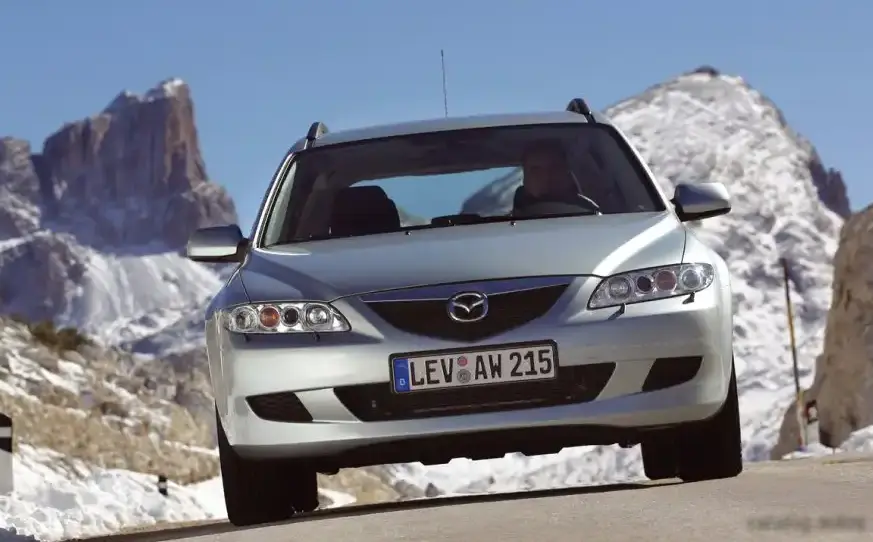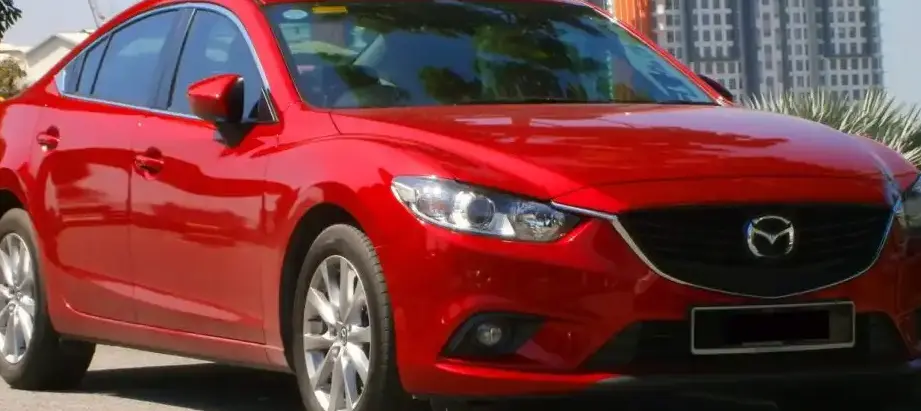
The Mazda 6 III Sedan (GJ) 2.2 SKYACTIV-D with 150 horsepower and an automatic transmission, produced between 2012 and 2015, represented a significant step forward for Mazda in the mid-size sedan segment. Positioned as a premium offering within the GJ generation Mazda 6 lineup, this variant aimed to deliver a blend of fuel efficiency, refined performance, and advanced technology. It was primarily marketed in Europe and other global markets where diesel engines were popular, offering a compelling alternative to gasoline-powered competitors. The introduction of the SKYACTIV-D engine and i-ELOOP regenerative braking system were key features distinguishing this model.
Technical Specifications
| Brand | Mazda |
| Model | 6 |
| Generation | 6 III Sedan (GJ) |
| Type (Engine) | 2.2 SKYACTIV-D (150 Hp) i-ELOOP Automatic |
| Start of production | 2012 |
| End of production | 2015 |
| Powertrain Architecture | Internal Combustion engine |
| Body type | Sedan |
| Seats | 5 |
| Doors | 4 |
| Fuel consumption (urban) | 5.9 l/100 km (39.9 US mpg, 47.9 UK mpg, 16.9 km/l) |
| Fuel consumption (extra urban) | 4.2 l/100 km (56 US mpg, 67.3 UK mpg, 23.8 km/l) |
| Fuel consumption (combined) | 4.8 l/100 km (49 US mpg, 58.9 UK mpg, 20.8 km/l) |
| Fuel Type | Diesel |
| Acceleration 0 – 100 km/h | 9.8 sec |
| Acceleration 0 – 62 mph | 9.8 sec |
| Acceleration 0 – 60 mph | 9.3 sec |
| Maximum speed | 204 km/h (126.76 mph) |
| Emission standard | Euro 6 |
| Weight-to-power ratio | 9.5 kg/Hp, 105.6 Hp/tonne |
| Weight-to-torque ratio | 3.7 kg/Nm, 267.6 Nm/tonne |
| Power | 150 Hp @ 4500 rpm |
| Power per litre | 68.7 Hp/l |
| Torque | 380 Nm @ 2000 rpm (280.27 lb.-ft. @ 2000 rpm) |
| Engine layout | Front, Transverse |
| Engine displacement | 2184 cm3 (133.28 cu. in.) |
| Number of cylinders | 4 |
| Engine configuration | Inline |
| Number of valves per cylinder | 4 |
| Fuel injection system | Diesel Commonrail |
| Engine aspiration | BiTurbo, Intercooler |
| Engine oil capacity | 5.1 l (5.39 US qt | 4.49 UK qt) |
| Coolant capacity | 8.8 l (9.3 US qt | 7.74 UK qt) |
| Kerb Weight | 1420 kg (3130.56 lbs) |
| Trunk (boot) space (minimum) | 489 l (17.27 cu. ft.) |
| Fuel tank capacity | 62 l (16.38 US gal | 13.64 UK gal) |
| Length | 4865 mm (191.54 in) |
| Width | 1840 mm (72.44 in) |
| Height | 1450 mm (57.09 in) |
| Wheelbase | 2830 mm (111.42 in) |
| Drivetrain Architecture | Front wheel drive, Internal Combustion engine |
| Number of gears and type of gearbox | 6 gears, automatic transmission |
| Assisting systems | ABS (Anti-lock braking system) |
| Steering type | Steering rack and pinion |
Powertrain & Engine Architecture
The heart of this Mazda 6 variant is the 2.2-liter SKYACTIV-D diesel engine. This engine, designated with codes like SH-VPTS, represents Mazda’s advancements in diesel technology. It features a high compression ratio (typically around 14:1) and a two-stage turbocharging system. The first, smaller turbocharger provides boost at low engine speeds, minimizing turbo lag and improving responsiveness. The second, larger turbocharger takes over at higher RPMs, delivering increased power. The common-rail direct injection system utilizes piezo injectors for precise fuel delivery, optimizing combustion efficiency and reducing emissions. The i-ELOOP system, Mazda’s mild hybrid technology, recovers kinetic energy during braking and stores it in a capacitor, providing a small boost to the engine during acceleration and reducing the load on the alternator. The automatic transmission is a six-speed unit, designed to work seamlessly with the engine’s torque curve.
Driving Characteristics
The 150 hp SKYACTIV-D automatic offered a comfortable and refined driving experience. While not as overtly sporty as some of the gasoline-powered Mazda 6 models, it provided ample torque for everyday driving and highway cruising. The automatic transmission, while smooth, wasn’t particularly quick to shift, prioritizing fuel economy over outright performance. Acceleration from 0-60 mph took around 9.3 seconds, which was competitive for a diesel sedan in its class. The high torque output (380 Nm or 280 lb-ft) meant that overtaking maneuvers were executed with ease, even at higher speeds. Compared to the manual transmission version of the same engine, the automatic offered less driver engagement but greater convenience. Higher output versions of the SKYACTIV-D, such as the 175 hp variant, provided noticeably quicker acceleration but at the expense of fuel economy.
Equipment & Trim Levels
The 2.2 SKYACTIV-D 150 hp automatic typically came in higher trim levels, such as Touring or Grand Touring, depending on the specific market. Standard features often included automatic climate control, a touchscreen infotainment system with navigation, Bluetooth connectivity, and a suite of safety features like ABS, traction control, and multiple airbags. Interior upholstery was typically cloth or leather, with higher trims offering premium leather options. Optional extras included a sunroof, premium sound system, and advanced driver-assistance systems like lane departure warning and adaptive cruise control. The dashboard layout was modern and driver-focused, with a clear instrument cluster and intuitive controls.
Chassis & Braking
The Mazda 6 GJ utilized a front-engine, front-wheel-drive layout. The suspension consisted of MacPherson struts at the front and multi-link suspension at the rear, providing a good balance between ride comfort and handling. Braking systems varied depending on the trim level, with lower trims often featuring disc brakes at the front and drum brakes at the rear, while higher trims had disc brakes on all four wheels. Stabilizer bars were fitted to both the front and rear axles to reduce body roll during cornering. The steering was a rack-and-pinion system, providing precise and responsive steering feel.
Market Reception & Comparison
The Mazda 6 2.2 SKYACTIV-D automatic was generally well-received by automotive critics. It was praised for its fuel efficiency, refined engine, and comfortable ride. However, some reviewers noted that the automatic transmission could feel sluggish at times. Compared to other diesel-powered sedans in its class, such as the Volkswagen Passat and Ford Mondeo, the Mazda 6 offered a more engaging driving experience and a more premium interior. Fuel economy was a key selling point, with the combined fuel consumption of around 4.8 l/100 km (49 US mpg) being highly competitive. Reliability was generally good, although some owners reported issues with the diesel particulate filter (DPF) system, a common concern with modern diesel engines.
Legacy
The Mazda 6 GJ 2.2 SKYACTIV-D 150 hp automatic remains a popular choice in the used car market. The SKYACTIV-D engine has proven to be relatively reliable, although regular maintenance is crucial, particularly regarding the DPF system. The combination of fuel efficiency, comfort, and a relatively sporty driving experience makes it an attractive option for buyers looking for a practical and refined mid-size sedan. The i-ELOOP system, while not a full hybrid, contributed to improved fuel economy and demonstrated Mazda’s commitment to innovative technology. Today, these vehicles can be found with reasonable mileage and are often considered a good value proposition for those seeking a well-equipped and economical diesel sedan.