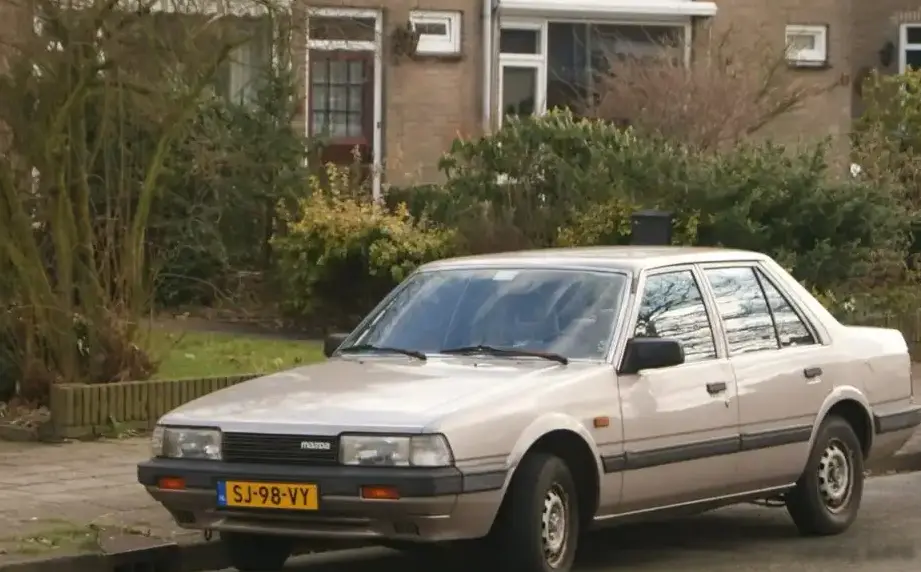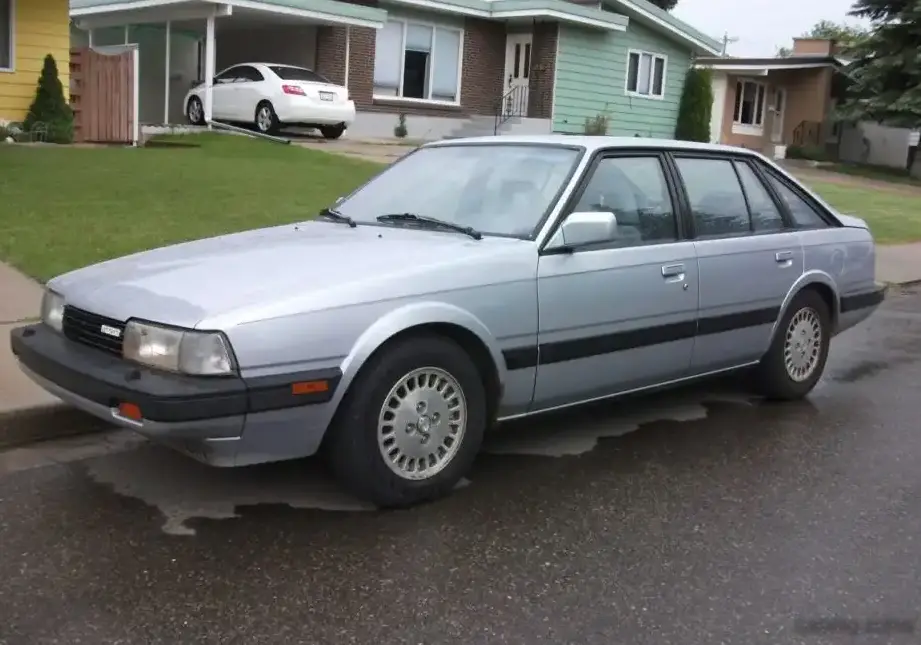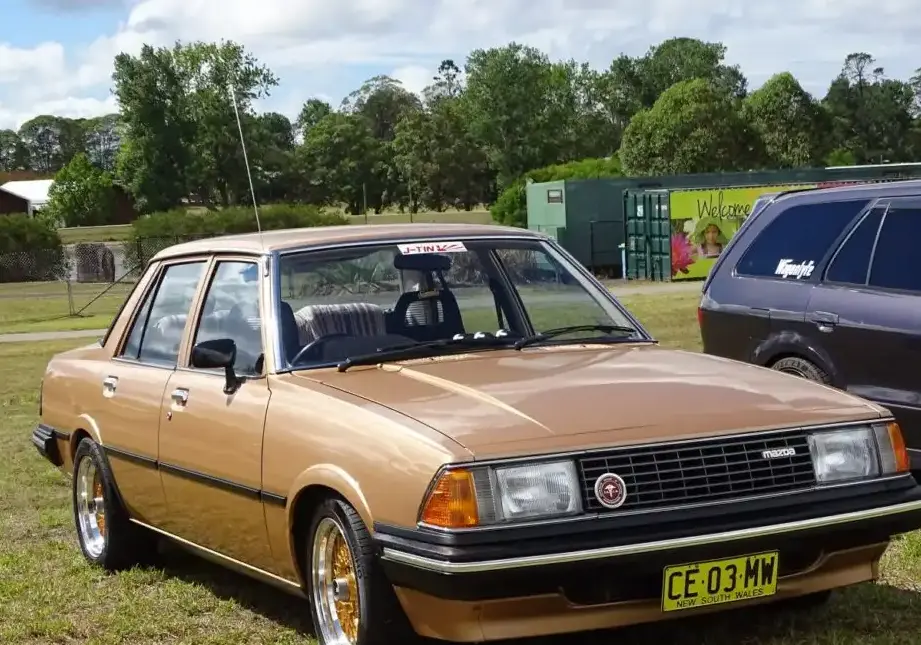
The Mazda 626 I (CB), produced between 1979 and 1982, represented Mazda’s entry into the mid-size sedan market. This first generation of the 626, designated chassis code CB, was a significant vehicle for Mazda, aiming to provide a comfortable and reliable family car. The 1.6-liter, 75 horsepower variant occupied the lower end of the 626 lineup, serving as the most accessible model for budget-conscious buyers. It was positioned below the larger displacement engines offered in the range, and primarily targeted customers seeking economical transportation rather than outright performance. The CB generation 626 was sold primarily in Europe, Australia, and Asia, with limited sales in North America.
Technical Specifications
| Brand | Mazda |
| Model | 626 |
| Generation | 626 I (CB) |
| Type (Engine) | 1.6 (75 Hp) |
| Start of production | 1979 |
| End of production | 1982 |
| Powertrain Architecture | Internal Combustion engine |
| Body type | Sedan |
| Seats | 5 |
| Doors | 4 |
| Fuel Type | Petrol (Gasoline) |
| Weight-to-power ratio | 13.9 kg/Hp, 71.8 Hp/tonne |
| Weight-to-torque ratio | 8.8 kg/Nm, 113.9 Nm/tonne |
| Power | 75 Hp @ 5000 rpm |
| Power per litre | 47.3 Hp/l |
| Torque | 119 Nm @ 3800 rpm (87.77 lb.-ft. @ 3800 rpm) |
| Engine layout | Front, Longitudinal |
| Engine displacement | 1586 cm3 (96.78 cu. in.) |
| Number of cylinders | 4 |
| Engine configuration | Inline |
| Cylinder Bore | 78 mm (3.07 in.) |
| Piston Stroke | 83 mm (3.27 in.) |
| Compression ratio | 8.6:1 |
| Number of valves per cylinder | 2 |
| Fuel injection system | Carburettor |
| Engine aspiration | Naturally aspirated engine |
| Valvetrain | SOHC |
| Engine oil capacity | 3.6 l (3.8 US qt | 3.17 UK qt) |
| Coolant | 7 l (7.4 US qt | 6.16 UK qt) |
| Kerb Weight | 1045 kg (2303.83 lbs) |
| Fuel tank capacity | 55 l (14.53 US gal | 12.1 UK gal) |
| Length | 4305 mm (169.49 in) |
| Width | 1660 mm (65.35 in) |
| Height | 1370 mm (53.94 in) |
| Wheelbase | 2510 mm (98.82 in) |
| Front track | 1370 mm (53.94 in) |
| Rear (Back) track | 1380 mm (54.33 in) |
| Minimum turning circle | 9.7 m (31.82 ft) |
| Drivetrain Architecture | The Internal combustion engine (ICE) drives the rear wheels of the vehicle. |
| Drive wheel | Rear wheel drive |
| Number of gears and type of gearbox | 4 gears, manual transmission |
| Front suspension | Independent, type McPherson with coil spring and anti-roll bar |
| Rear suspension | Torsion |
| Front brakes | Disc, 231 mm |
| Rear brakes | Drum, 276 mm |
| Steering type | Cone worm with recirculation balls |
| Wheel rims size | Front wheel rims: 5J x 13 Rear wheel rims: 5J x 13 |
Powertrain & Engine Architecture
The heart of the 626 1.6 was the Mazda FE engine, a 1.6-liter (1586 cc) inline-four cylinder gasoline engine. This engine, designated as the FE, utilized a single overhead camshaft (SOHC) valvetrain with two valves per cylinder. Fuel delivery was managed by a carburetor, a common feature for vehicles of this era. The FE engine produced 75 horsepower at 5000 rpm and 119 Nm (87.77 lb-ft) of torque at 3800 rpm. The engine was mounted longitudinally in the front of the vehicle, driving the rear wheels. The 626 1.6 was equipped with a four-speed manual transmission as standard. This transmission was chosen for its simplicity and cost-effectiveness, aligning with the entry-level positioning of the variant.
Driving Characteristics
The 626 1.6, with its 75 horsepower and relatively lightweight construction (1045 kg or 2303.83 lbs), offered adequate, though not exhilarating, performance. Acceleration was modest, and the car was best suited for relaxed cruising and city driving. The four-speed manual transmission required frequent shifting to maintain momentum, especially when overtaking or climbing hills. Compared to the larger engine options available in the 626 range, the 1.6 lacked the punch for more spirited driving. However, its lighter weight and simpler mechanicals contributed to a more nimble feel in corners. The rear-wheel-drive configuration provided a balanced driving experience, although it lacked the modern handling characteristics of front-wheel-drive cars.
Equipment & Trim Levels
The 626 1.6 was typically offered with a basic level of equipment, reflecting its position as the entry-level model. Standard features generally included cloth upholstery, basic instrumentation (speedometer, fuel gauge, temperature gauge), and a simple two-spoke steering wheel. Optional extras, depending on the market, could include a radio, upgraded interior trim, and occasionally, air conditioning. The interior design was functional and straightforward, prioritizing practicality over luxury. The exterior trim was also relatively basic, with minimal chrome accents and steel wheels being common features.
Chassis & Braking
The 626 1.6 featured a conventional chassis layout for a rear-wheel-drive sedan of the time. The front suspension utilized an independent McPherson strut design with coil springs and an anti-roll bar, providing a reasonable level of ride comfort and handling. The rear suspension employed a torsion beam axle, which was a cost-effective solution for maintaining rear-wheel stability. The braking system consisted of disc brakes on the front wheels and drum brakes on the rear wheels. The brakes were adequate for normal driving conditions, but lacked the stopping power of more modern braking systems. Steering was accomplished via a cone worm and recirculation ball system, which provided a relatively heavy but precise steering feel.
Market Reception & Comparison
The Mazda 626 1.6 was generally well-received as an affordable and reliable family car. Critics praised its fuel efficiency and comfortable ride, but noted its lack of performance compared to higher-spec models. Compared to its siblings, such as the 626 with larger engines, the 1.6 offered a more economical option for buyers who prioritized fuel economy and practicality over speed. It also competed with other mid-size sedans from Japanese manufacturers, such as the Toyota Corolla and Nissan Sunny, offering a similar level of value and reliability. The 1.6’s carburetor-based fuel system was considered less efficient and more prone to maintenance issues compared to the fuel injection systems found in some of its competitors.
Legacy
The Mazda 626 I (CB) 1.6, while not the most powerful or technologically advanced version of the 626, played an important role in establishing Mazda as a reputable manufacturer of family cars. The FE engine proved to be a durable and reliable powerplant, and many examples of the 626 1.6 are still on the road today. In the used car market, these vehicles are often sought after by enthusiasts and collectors who appreciate their simplicity and classic styling. While maintenance can be challenging due to the age of the vehicles and the availability of parts, the 626 1.6 remains a testament to Mazda’s commitment to building durable and dependable automobiles. The CB generation 626 laid the foundation for the subsequent generations of the 626, which would become increasingly sophisticated and popular in markets around the world.