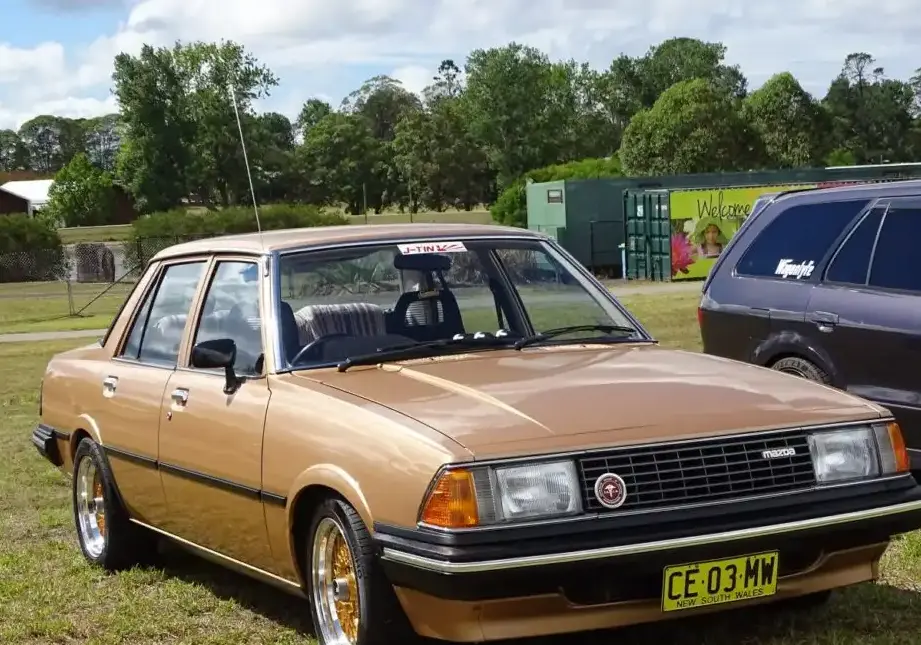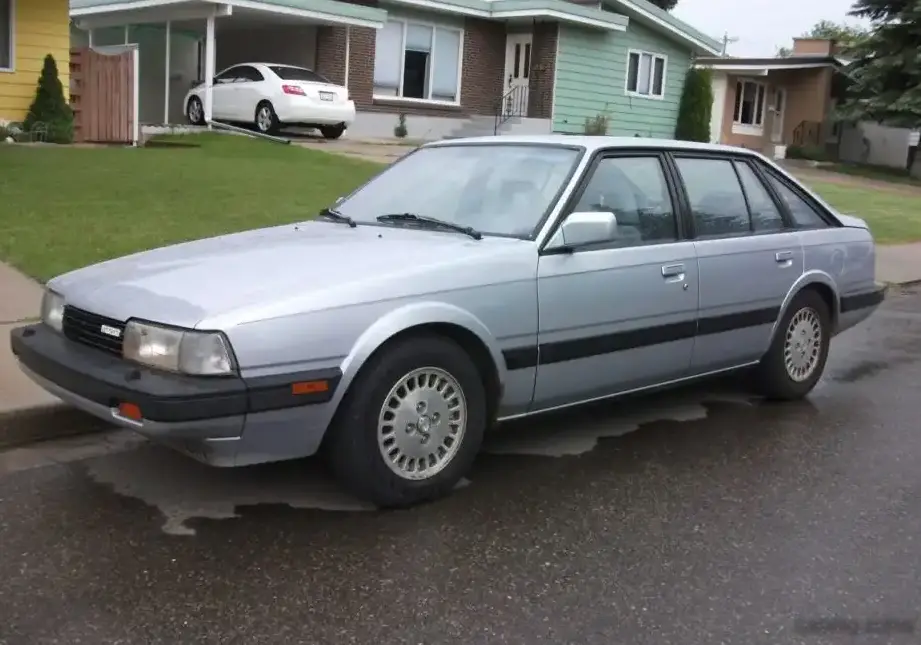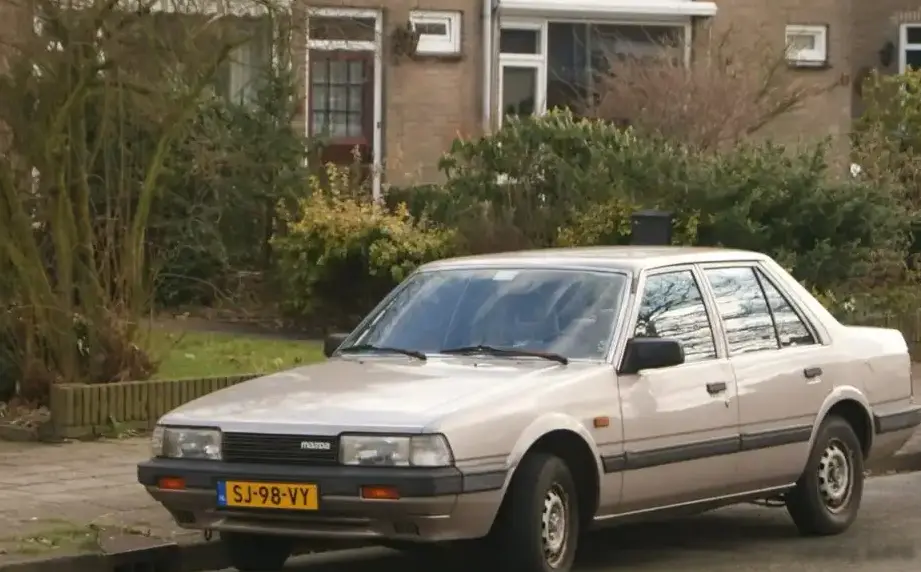
The Mazda 626 II (GC) 1.6, produced between 1982 and 1987, represented a significant step forward for Mazda in the mid-size sedan segment. Falling within the second generation of the 626, designated the GC platform, this 1.6-liter variant served as the entry point to the 626 range in many markets, particularly in Europe and Australia. While not offered in the North American market during this generation, the 626 II was crucial in establishing Mazda’s reputation for reliability and value. This specific configuration, with its 80 horsepower engine and typically paired automatic transmission, aimed for fuel efficiency and comfortable daily driving rather than outright performance. It competed directly with other compact and mid-size sedans like the Ford Cortina, Opel Ascona, and Toyota Camry.
Technical Specifications
| Brand | Mazda |
| Model | 626 |
| Generation | 626 II (GC) |
| Type (Engine) | 1.6 (80 Hp) |
| Start of production | 1982 |
| End of production | 1987 |
| Powertrain Architecture | Internal Combustion Engine |
| Body type | Sedan |
| Fuel Type | Petrol (Gasoline) |
| Power | 80 Hp |
| Engine aspiration | Naturally Aspirated |
Powertrain & Engine Architecture
The heart of the 626 II 1.6 was the Mazda FE engine, a 1.6-liter (1586 cc) inline-four cylinder gasoline engine. This engine utilized a cast iron block and an aluminum cylinder head, a common configuration for the era. The FE engine featured a single overhead camshaft (SOHC) design operating two valves per cylinder. Fuel delivery was managed by a carburetor, specifically the Hitachi or Mikuni type, depending on the market. While not as sophisticated as fuel injection systems becoming available on higher-end models, the carburetor provided reliable and relatively simple fuel management. The engine produced 80 horsepower (59 kW) at 5,200 rpm and 98 lb-ft (133 Nm) of torque at 3,000 rpm.
The automatic transmission typically paired with this engine was a three-speed unit, often sourced from Jatco. This transmission was chosen to prioritize smooth operation and ease of use, aligning with the target demographic for this trim level. The transmission’s gear ratios were geared towards fuel economy and comfortable cruising, rather than rapid acceleration. Manual transmission options were also available in some markets, offering a more engaging driving experience and slightly improved fuel efficiency.
Driving Characteristics
The 626 II 1.6 with the automatic transmission offered a comfortable, if not particularly exciting, driving experience. Acceleration was modest, with a 0-60 mph time estimated around 13-15 seconds. The three-speed automatic transmission, while smooth, lacked the responsiveness of more modern transmissions. The engine felt strained at higher RPMs, and overtaking maneuvers required careful planning. However, for everyday commuting and city driving, the 1.6-liter engine provided adequate power. The automatic transmission’s shift points were calibrated for fuel economy, resulting in a relaxed driving style. Compared to the 2.0-liter versions of the 626 II, the 1.6 felt noticeably slower, but it offered a more affordable entry point into the model range.
Equipment & Trim Levels
The 626 II 1.6 typically represented the base trim level. Standard equipment generally included cloth upholstery, a basic AM/FM radio, and manual windows and door locks. Air conditioning was often an optional extra, as were power windows and central locking. Interior trim was functional and durable, prioritizing practicality over luxury. The dashboard layout was straightforward, with clearly labeled controls. Higher trim levels of the 626 II, such as those equipped with the 2.0-liter engine, offered more luxurious features like velour upholstery, upgraded sound systems, and additional convenience items. The 1.6 model was often seen as a sensible choice for buyers prioritizing value and reliability.
Chassis & Braking
The 626 II utilized a MacPherson strut front suspension and a semi-trailing arm rear suspension. This suspension setup provided a comfortable ride, absorbing bumps and imperfections in the road surface effectively. The steering was rack-and-pinion, offering reasonable precision. Braking on the 1.6 model typically consisted of disc brakes on the front wheels and drum brakes on the rear wheels. This configuration was common for vehicles in this price range during the 1980s. Stabilizer bars were often included, improving handling and reducing body roll. The chassis was designed to balance comfort and handling, providing a stable and predictable driving experience.
Market Reception & Comparison
The Mazda 626 II 1.6 was generally well-received by automotive critics as a practical and reliable family sedan. It was praised for its fuel efficiency, comfortable ride, and affordable price. However, its lack of performance was often noted. Compared to the 2.0-liter versions of the 626 II, the 1.6 offered significantly less power, but it also consumed less fuel. Fuel economy figures typically ranged from 28-35 mpg, depending on driving conditions. Reliability was a strong point for the 626 II, and the 1.6-liter engine proved to be durable and long-lasting. In terms of competition, the 626 II 1.6 offered a compelling alternative to other mid-size sedans like the Ford Cortina and Opel Ascona, providing a good balance of features, reliability, and affordability.
Legacy
The Mazda 626 II 1.6, while not the most powerful or technologically advanced version of the 626, holds a significant place in Mazda’s history. It helped establish the 626 as a popular and respected family sedan. The FE engine, while simple in design, proved to be remarkably durable, and many examples are still on the road today. In the used car market, the 626 II 1.6 is often sought after by enthusiasts looking for a classic Japanese sedan that is relatively easy to maintain and repair. Parts availability is generally good, and the car’s simple mechanical design makes it accessible to home mechanics. The 626 II 1.6 represents a bygone era of automotive engineering, prioritizing practicality, reliability, and affordability over outright performance.