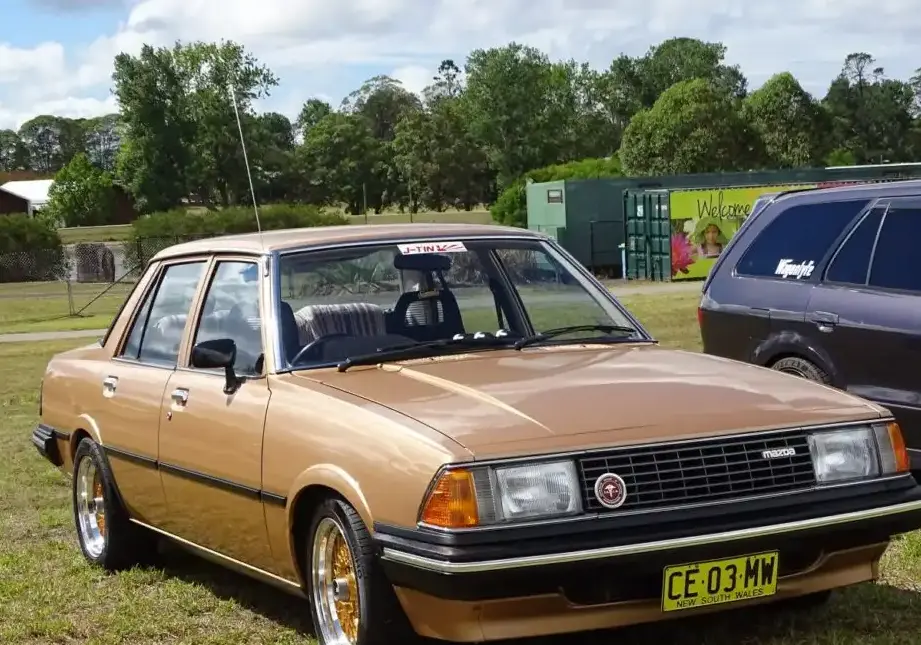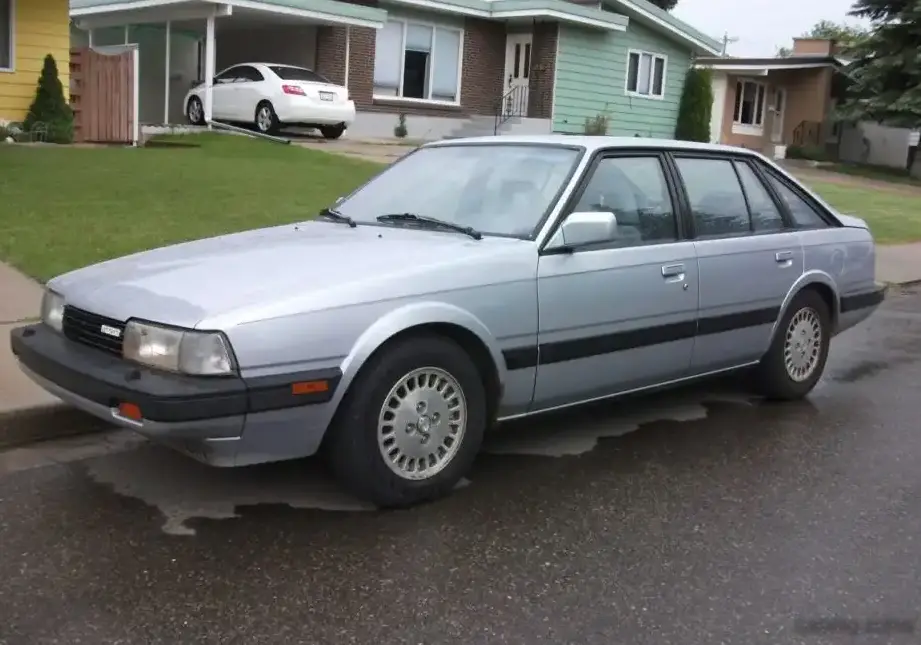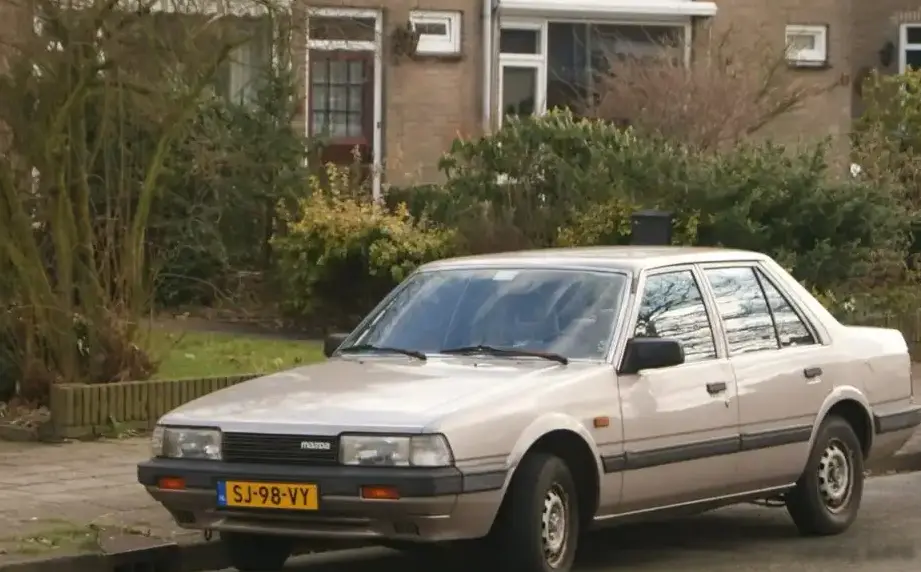
The Mazda 626 II (GC), produced between 1986 and 1987, represented a significant evolution of Mazda’s mid-size offering. Falling within the second generation of the 626, the GC series was a crucial model for Mazda as it aimed to establish a stronger foothold in the competitive North American and European markets. This particular variant, equipped with the 2.0-liter engine producing 120 horsepower, served as a mainstream offering within the lineup, positioned between the base models and the more performance-oriented trims. The GC generation marked a shift towards more aerodynamic styling and improved interior comfort compared to its predecessor, the first-generation 626.
Technical Specifications
| Brand | Mazda |
| Model | 626 |
| Generation | 626 II (GC) |
| Type (Engine) | 2.0 (120 Hp) |
| Start of production | 1986 |
| End of production | 1987 |
| Powertrain Architecture | Internal Combustion Engine |
| Body type | Sedan |
| Fuel Type | Petrol (Gasoline) |
| Power | 120 Hp |
| Engine Aspiration | Naturally Aspirated |
Powertrain & Engine Architecture
The heart of the 626 II 2.0 was the Mazda F2 engine, a 1998cc inline-four cylinder gasoline engine. This engine utilized a cast iron block with an aluminum cylinder head, a common configuration for the era balancing durability with weight reduction. The F2 featured a single overhead camshaft (SOHC) design operating two valves per cylinder. Fuel delivery was managed by Mazda’s electronic fuel injection (EFI) system, contributing to improved fuel efficiency and reduced emissions compared to carbureted engines. While not a particularly high-revving engine, the F2 was known for its relatively smooth operation and decent low-end torque. The 120 horsepower output was achieved at approximately 5200 rpm, with peak torque of around 135 lb-ft at 3000 rpm. The transmission paired with this engine was typically a four-speed automatic, although a five-speed manual transmission was also available. The automatic transmission was designed for smooth, comfortable shifts, prioritizing ease of use over outright performance. It wasn’t an overdrive transmission, which impacted highway fuel economy.
Driving Characteristics
The 120 hp 626 II with the automatic transmission offered a comfortable and predictable driving experience. Acceleration was adequate for everyday driving, but it wasn’t a particularly quick car. Zero to sixty mph times were typically in the 10-11 second range. The automatic transmission’s gear ratios were geared towards fuel economy and smooth cruising, rather than aggressive acceleration. Compared to the five-speed manual version, the automatic felt noticeably slower, especially during overtaking maneuvers. The manual transmission allowed the engine to operate in its optimal power band more effectively. Handling was generally considered good for a car of its class, with a relatively compliant suspension that absorbed bumps well. However, it wasn’t a sporty car; body roll was noticeable during cornering. The steering was light and easy to use, making it well-suited for city driving.
Equipment & Trim Levels
The 626 II 2.0 typically came with a reasonable level of standard equipment for the mid-1980s. Base models included features such as cloth upholstery, an AM/FM radio, and manual windows and locks. Higher trim levels, often designated as “LX” or “GL,” added features like power windows and locks, cruise control, upgraded interior trim, and a better sound system. Optional extras included a sunroof, air conditioning, and upgraded wheels. The interior design was functional and relatively spacious for its time. The dashboard layout was straightforward, with easy-to-read gauges. The seats were generally comfortable, although the cloth upholstery wasn’t particularly luxurious. The overall interior ambiance was geared towards practicality and durability rather than outright luxury.
Chassis & Braking
The 626 II (GC) utilized a front-engine, front-wheel-drive layout. The suspension consisted of MacPherson struts at the front and a semi-independent torsion beam axle at the rear. This suspension setup provided a good balance between ride comfort and handling. Braking was typically accomplished with disc brakes at the front and drum brakes at the rear. Power steering was standard on most models. The chassis was relatively lightweight, contributing to the car’s decent fuel economy. Stabilizer bars were included to reduce body roll during cornering, although they were typically smaller in diameter on the base models compared to the higher trim levels. The braking system, while adequate for normal driving, lacked the stopping power of more modern vehicles.
Market Reception & Comparison
The Mazda 626 II was generally well-received by automotive critics. It was praised for its comfortable ride, spacious interior, and relatively fuel-efficient engine. However, some critics noted that the car lacked the sporty character of some of its competitors, such as the Honda Accord or Toyota Camry. The 2.0-liter engine with the automatic transmission was considered a good all-around choice for drivers who prioritized comfort and convenience over performance. Compared to the more powerful 2.5-liter engine option, the 2.0-liter version offered better fuel economy but less acceleration. The 2.0L automatic was often seen as a sensible choice for families or commuters. Fuel economy was rated around 22 mpg city and 30 mpg highway, which was competitive for the time. Reliability was generally good, although some owners reported issues with the automatic transmission over the long term.
Legacy
The Mazda 626 II (GC) 2.0 (120 Hp) remains a relatively affordable and accessible classic car in the used market today. While not a particularly collectible model, it represents a well-built and reliable vehicle from the 1980s. The F2 engine is known for its durability, and many examples are still on the road today. However, finding parts can be challenging, as some components are no longer in production. The automatic transmission, while comfortable, is the most common point of failure. Overall, the 626 II 2.0 is a testament to Mazda’s engineering prowess and its commitment to building practical and reliable vehicles. It served as a stepping stone for Mazda’s continued success in the mid-size sedan segment, paving the way for future generations of the 626 and, ultimately, the Mazda6.