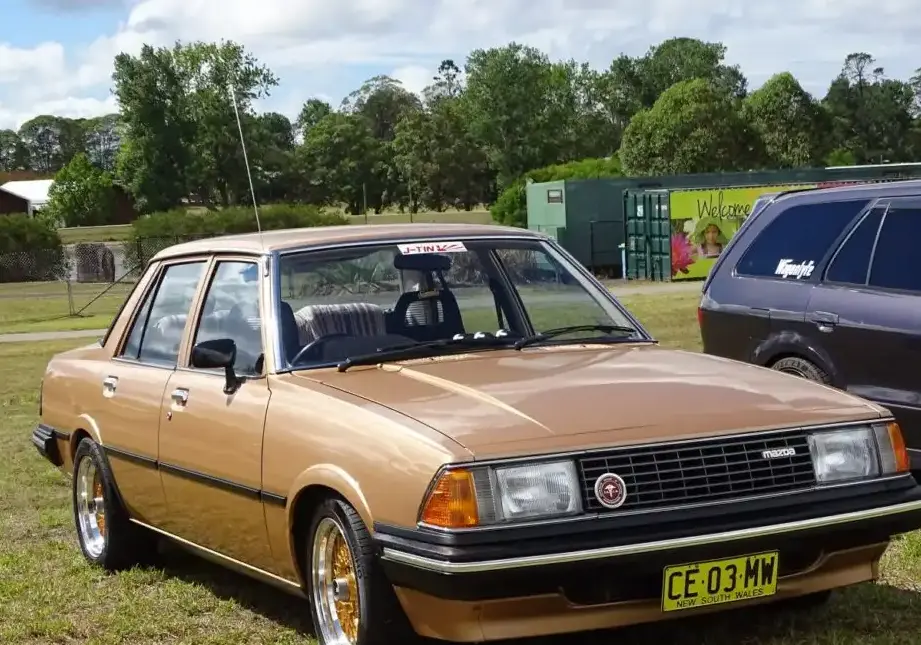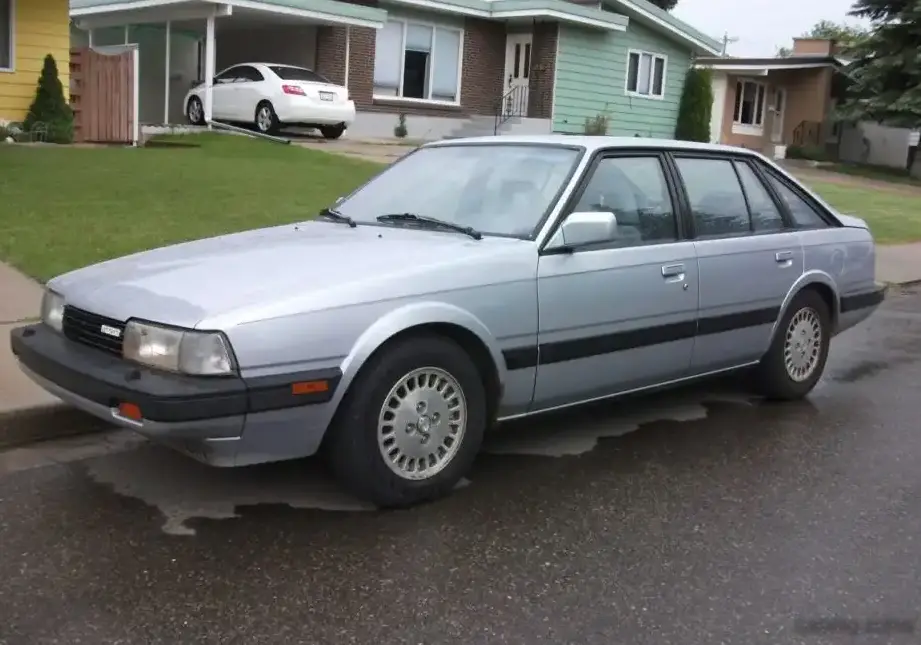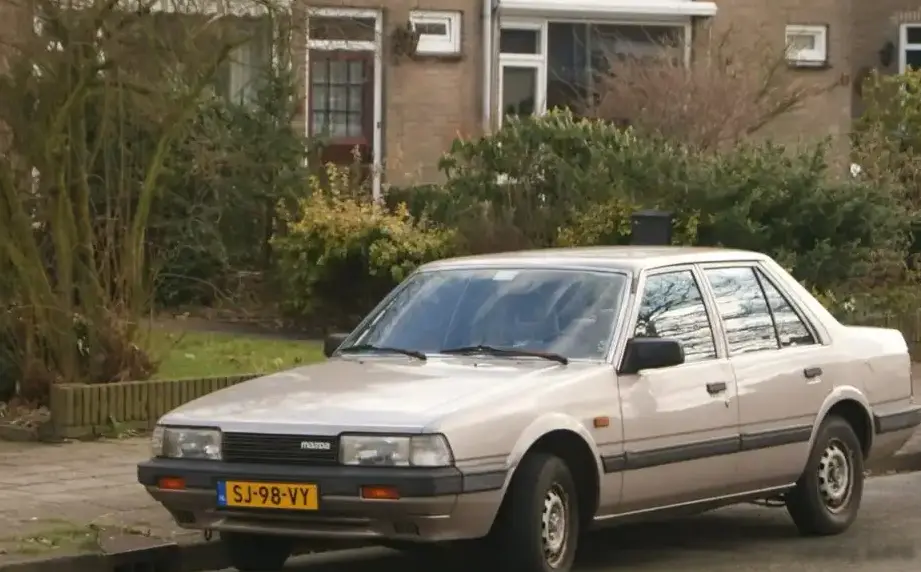
The Mazda 626 II (GC) 2.0 D, produced between 1983 and 1987, represented Mazda’s entry into the increasingly competitive mid-size sedan market. This variant, powered by a naturally aspirated 2.0-liter diesel engine producing 63 horsepower, was primarily aimed at European and Asian markets where diesel fuel was more prevalent and cost-effective. Within the broader 626 II (GC) generation, which spanned from 1983 to 1987, the 2.0 D served as the economy-focused option, prioritizing fuel efficiency over outright performance. It was positioned below the gasoline-powered variants in terms of price and performance, appealing to buyers seeking a practical and reliable family car.
Technical Specifications
| Brand | Mazda |
| Model | 626 |
| Generation | 626 II (GC) |
| Type (Engine) | 2.0 D (63 Hp) |
| Start of production | 1983 |
| End of production | 1987 |
| Powertrain Architecture | Internal Combustion engine |
| Body type | Sedan |
| Fuel Type | Diesel |
| Power | 63 Hp |
| Engine Model/Code | RF46 |
| Engine aspiration | Naturally aspirated engine |
Powertrain & Engine Architecture
The heart of the 626 II 2.0 D was the RF46 engine, a 1998cc inline-four cylinder diesel. This engine utilized indirect injection, a common technology for diesel engines of the era, employing pre-combustion chambers to improve combustion efficiency and reduce noise. The RF46 featured a cast iron block and cylinder head, contributing to its durability, but also adding to its overall weight. The engine’s valvetrain consisted of a single overhead camshaft (SOHC) operating two valves per cylinder. While relatively simple in design, this configuration proved reliable and easy to maintain. The 626 2.0 D was typically paired with a four-speed automatic transmission, although a five-speed manual was also available in some markets. The automatic transmission was chosen to enhance the car’s ease of use, particularly in urban driving conditions, but it did come at the cost of some performance and fuel economy compared to the manual version.
Driving Characteristics
The 626 II 2.0 D, with its 63 horsepower and 99 lb-ft of torque, was not designed for spirited driving. Acceleration was modest, and overtaking required careful planning. The automatic transmission, while convenient, further dampened performance, with relatively wide gear ratios prioritizing fuel economy over responsiveness. However, the engine’s torque characteristics meant that it offered reasonable pulling power at lower engine speeds, making it suitable for everyday driving and highway cruising. Compared to the gasoline-powered 626 variants, the diesel model felt significantly slower, particularly in higher gears. The manual transmission version offered a more engaging driving experience, allowing the driver to better utilize the engine’s available power. The suspension, tuned for comfort, provided a relatively smooth ride, but body roll was noticeable during cornering.
Equipment & Trim Levels
The 626 II 2.0 D typically came with a fairly basic level of equipment, reflecting its position as the entry-level model. Standard features generally included cloth upholstery, a basic AM/FM radio, and manual windows and door locks. Air conditioning was often an optional extra, as were power windows and central locking. Interior trim was functional and durable, with a focus on practicality rather than luxury. Dashboard design was typical of the early 1980s, featuring analog gauges and a straightforward layout. Higher trim levels, available with the gasoline engines, offered features such as upgraded upholstery, a more sophisticated sound system, and additional convenience items.
Chassis & Braking
The 626 II (GC) utilized a front-engine, rear-wheel-drive layout. The suspension consisted of independent front suspension with MacPherson struts and a solid rear axle with leaf springs. This setup provided a reasonable balance between ride comfort and handling, although it wasn’t particularly sporty. Braking on the 2.0 D typically consisted of disc brakes at the front and drum brakes at the rear. The drum brakes at the rear were a cost-saving measure, and their performance was somewhat limited compared to disc brakes. Steering was unassisted, requiring more effort at low speeds, but providing a more direct feel. Stabilizer bars were often omitted on the base models, further contributing to the car’s tendency to body roll.
Market Reception & Comparison
The Mazda 626 II 2.0 D received mixed reviews. Critics generally praised its fuel economy and reliability, but criticized its lack of performance. Compared to its gasoline-powered siblings, the diesel model was significantly slower and less refined. However, its lower running costs made it an attractive option for drivers who prioritized economy over performance. In Europe, where diesel fuel was cheaper and more readily available, the 2.0 D found a niche market among fleet operators and private buyers seeking a practical and affordable family car. Compared to competitors such as the Ford Sierra and Opel Ascona, the 626 II 2.0 D offered a comparable level of equipment and reliability, but often at a slightly higher price point.
Legacy
The Mazda 626 II 2.0 D, while not a performance icon, proved to be a durable and reliable vehicle. The RF46 diesel engine, despite its relatively low power output, was known for its longevity and ability to withstand high mileage. Today, examples of the 626 II 2.0 D are relatively rare, particularly in North America, where diesel sedans were not as popular. However, those that remain are often sought after by enthusiasts and collectors who appreciate their simplicity and reliability. The 626 II generation as a whole helped establish Mazda as a reputable manufacturer of mid-size sedans, paving the way for future models such as the 626 III and the Mazda 6. The 2.0 D variant, though often overlooked, played a crucial role in expanding Mazda’s reach into European and Asian markets.