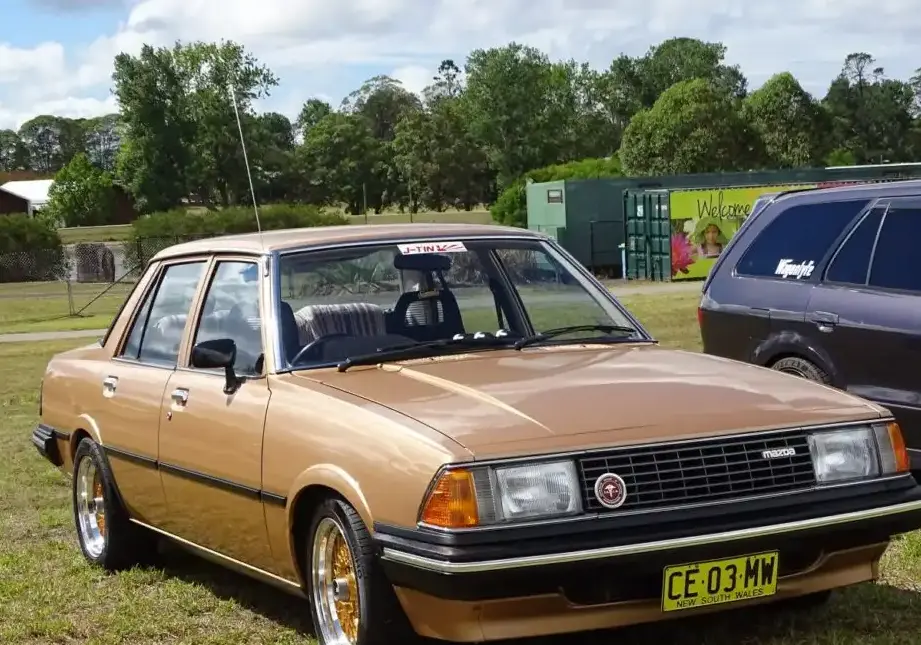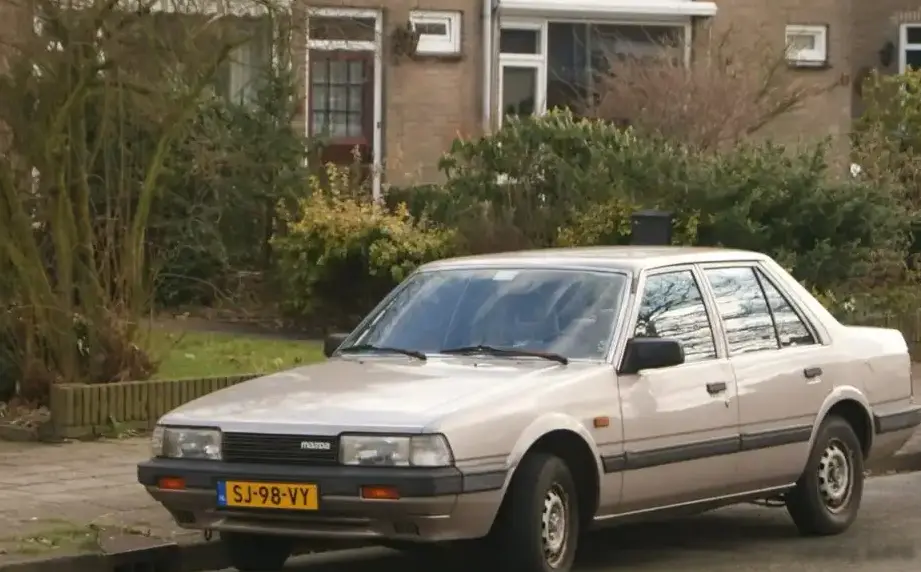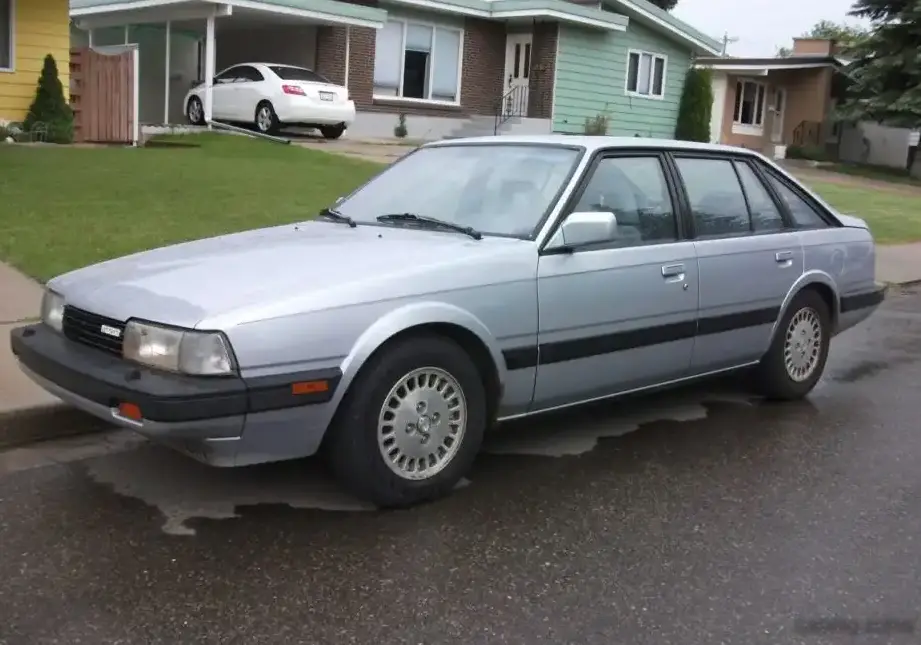
The Mazda 626 II Hatchback, specifically the 1.6-liter (75 horsepower) variant produced between 1983 and 1987 (chassis code GC), represented a significant step forward for Mazda in the mid-size family car segment. This model, part of the broader 626 second generation, offered a practical and relatively affordable option for buyers seeking a spacious hatchback with Mazda’s reputation for reliability. Positioned as the entry-level engine option within the 626 range, it catered to drivers prioritizing fuel economy and everyday usability over outright performance. The GC series 626 was a key model for Mazda, helping to establish the brand’s presence in the increasingly competitive North American and European markets, though its primary sales were concentrated in Japan and Australia.
Technical Specifications
| Brand | Mazda |
| Model | 626 |
| Generation | 626 II Hatchback (GC) |
| Type (Engine) | 1.6 (75 Hp) |
| Start of production | 1983 |
| End of production | 1987 |
| Powertrain Architecture | Internal Combustion engine |
| Body type | Hatchback |
| Fuel Type | Petrol (Gasoline) |
| Power | 75 Hp |
| Engine aspiration | Naturally aspirated engine |
Powertrain & Engine Architecture
The heart of the 626 II 1.6 was the Mazda FE engine, a 1.6-liter (1586 cc) inline-four cylinder gasoline engine. This engine utilized a cast iron block and an aluminum cylinder head, a common configuration for the era. The FE engine featured a single overhead camshaft (SOHC) design operating two valves per cylinder. Fuel delivery was managed by a carburetor, specifically the Hitachi or Mikuni type, depending on the market. While not particularly advanced by modern standards, this carburetor system provided reliable fuel atomization for the time. The engine’s 75 horsepower output at 5,500 rpm and 98 lb-ft of torque at 3,000 rpm were modest, but sufficient for comfortable everyday driving. The transmission paired with this engine was typically a four-speed automatic, though a five-speed manual transmission was also available as an option. The automatic transmission was designed for smooth operation and fuel efficiency, prioritizing comfort over sporty performance. The FE engine was known for its durability and relatively simple maintenance requirements.
Driving Characteristics
The 1.6-liter engine and automatic transmission combination in the 626 II Hatchback delivered a driving experience focused on practicality and ease of use. Acceleration was adequate for merging onto highways and navigating city streets, but it wasn’t a particularly quick car. The four-speed automatic transmission featured relatively widely spaced gear ratios, which meant that the engine often operated at higher RPMs during acceleration. This contributed to a noticeable engine sound, but didn’t significantly hinder performance. The automatic transmission’s shift points were calibrated for fuel economy, prioritizing smooth transitions over aggressive downshifts. Compared to the available 2.0-liter engine options, the 1.6-liter version felt noticeably less powerful, especially when fully loaded with passengers and cargo. However, the lighter engine weight contributed to slightly improved handling and fuel efficiency. The suspension, while not particularly sophisticated, provided a comfortable ride quality, absorbing bumps and imperfections in the road surface effectively.
Equipment & Trim Levels
The 626 II 1.6 Hatchback typically came equipped with a fairly basic level of standard features, reflecting its position as the entry-level model. Standard equipment generally included cloth upholstery, a basic AM/FM radio, and manual windows and door locks. Air conditioning was often an optional extra, as were power windows and a more advanced stereo system. Interior trim levels varied depending on the market, but generally featured durable plastics and a functional, if somewhat spartan, design. The hatchback configuration provided a generous amount of cargo space, making it a practical choice for families or individuals needing to transport larger items. Optional extras included a sunroof, upgraded sound systems, and alloy wheels, allowing buyers to customize their vehicle to some extent. The dashboard layout was straightforward and easy to use, with clearly labeled controls.
Chassis & Braking
The 626 II Hatchback utilized a front-engine, front-wheel-drive layout. The suspension consisted of MacPherson struts at the front and a twist-beam rear axle. This suspension setup provided a good balance between ride comfort and handling. Steering was typically rack-and-pinion, offering reasonably precise control. Braking systems varied depending on the market and trim level. Lower-spec models, like the 1.6, often featured drum brakes on the rear wheels, while higher-spec models received disc brakes all around. Front brakes were typically ventilated discs. The braking system was adequate for the car’s weight and performance, but lacked the stopping power of more modern vehicles. Stabilizer bars were included as standard equipment, helping to reduce body roll during cornering.
Market Reception & Comparison
The Mazda 626 II 1.6 Hatchback was generally well-received by automotive critics as a practical and reliable family car. However, its modest performance was often noted. Compared to competitors like the Toyota Camry and Honda Accord, the 626 offered a slightly more affordable price point, but lacked the same level of refinement. Within the 626 lineup, the 1.6-liter version was often seen as a sensible choice for buyers prioritizing fuel economy and low running costs. The 2.0-liter engine options offered significantly more power, but at the expense of fuel efficiency. Reliability was a strong point for the 626 II, and the 1.6-liter engine proved to be particularly durable. Fuel economy was respectable for the era, averaging around 28-32 mpg in mixed driving conditions.
Legacy
The Mazda 626 II 1.6 Hatchback has proven to be a surprisingly durable vehicle, with many examples still on the road today. The FE engine is known for its longevity, and with proper maintenance, can continue to provide reliable service for many years. In the used car market, these 626s are often sought after by enthusiasts looking for a classic Japanese car that is relatively easy to maintain. Parts availability is generally good, although some specific trim pieces may be difficult to find. The 626 II 1.6 represents a significant chapter in Mazda’s history, demonstrating the brand’s commitment to building practical, reliable, and affordable vehicles. While not a performance icon, it remains a fondly remembered car for many who owned and drove one during the 1980s.