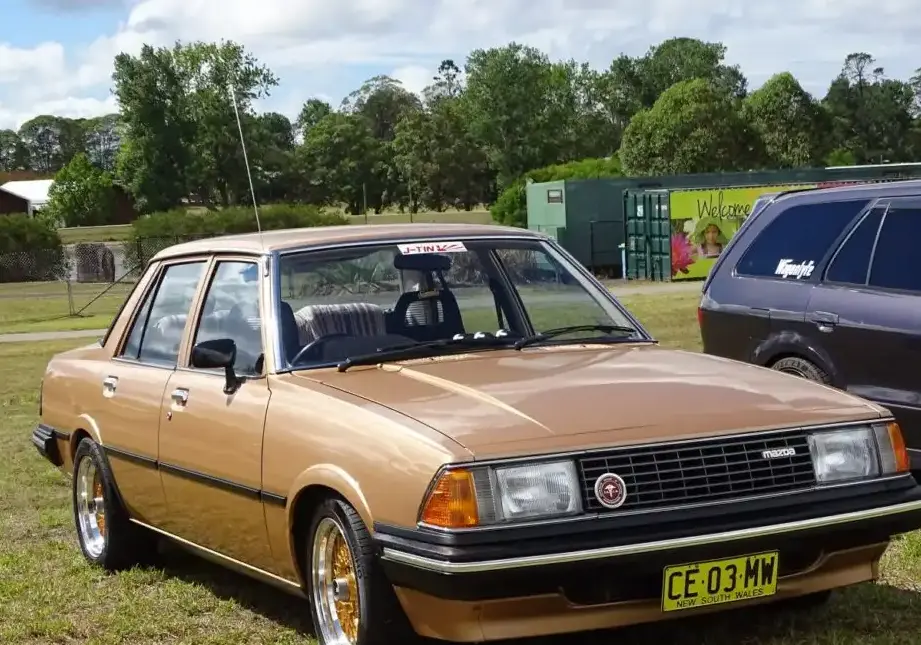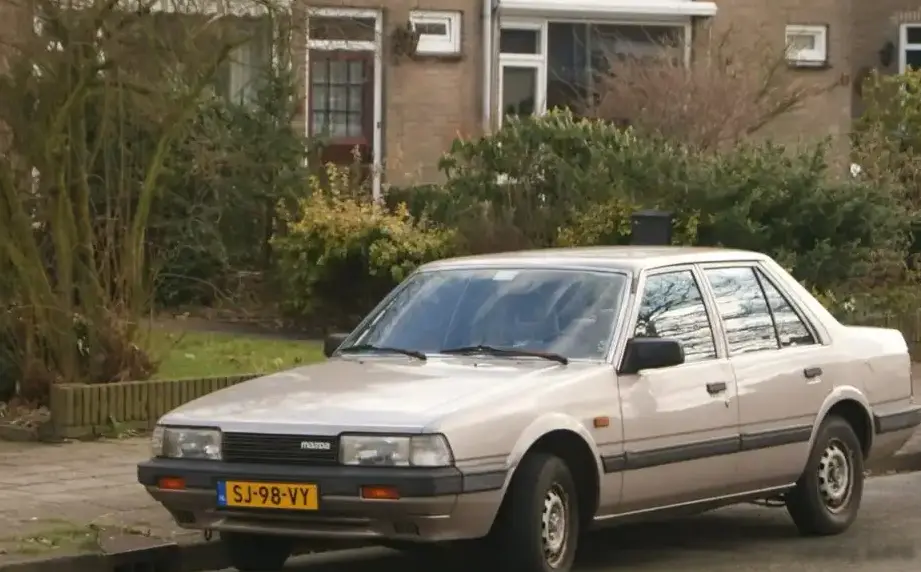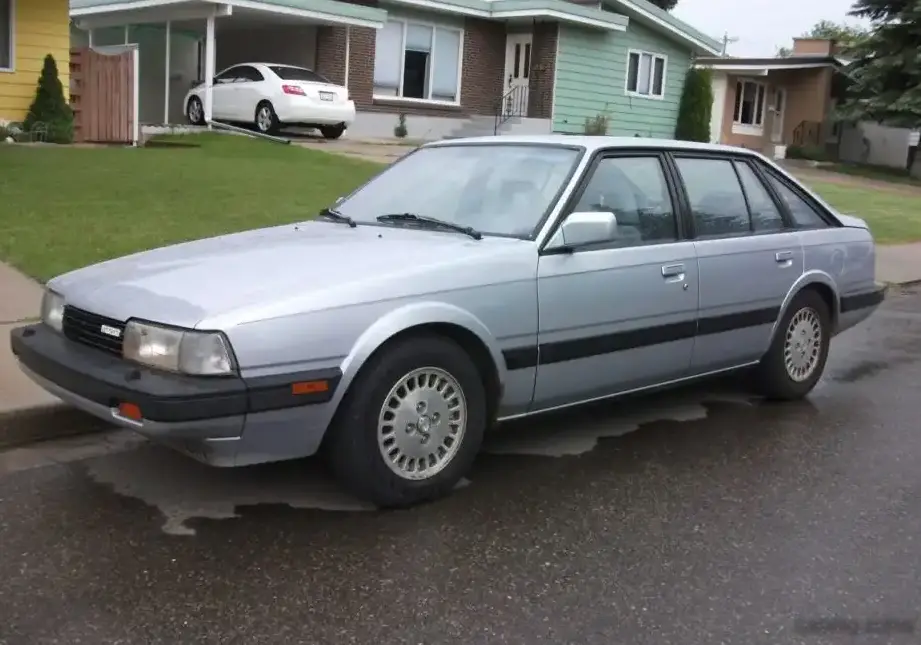
The Mazda 626 II Hatchback, specifically the 2.0-liter (101 horsepower) variant produced between 1983 and 1987 (chassis code GC), represented a significant step forward for Mazda in the mid-size family car segment. This generation of the 626, introduced as a replacement for the original 626, offered a more modern design, improved interior space, and a wider range of engine options. The hatchback body style, while less common in the US market than the sedan, provided enhanced practicality and cargo versatility. Positioned as a mid-range offering within the 626 lineup, the 2.0-liter model aimed to balance affordability with acceptable performance for everyday driving needs. It served as a key competitor to vehicles like the Toyota Camry, Honda Accord, and Ford Tempo.
Technical Specifications
| Brand | Mazda |
| Model | 626 |
| Generation | 626 II Hatchback (GC) |
| Type (Engine) | 2.0 (101 Hp) |
| Start of production | 1983 |
| End of production | 1987 |
| Powertrain Architecture | Internal Combustion engine |
| Body type | Hatchback |
| Fuel Type | Petrol (Gasoline) |
| Power | 101 Hp |
| Engine aspiration | Naturally aspirated engine |
Powertrain & Engine Architecture
The heart of the 626 II 2.0-liter hatchback is the Mazda F2 engine. This 1998cc, inline-four cylinder engine utilizes a cast iron block and an aluminum cylinder head. It’s a naturally aspirated engine, meaning it doesn’t employ forced induction like a turbocharger or supercharger. The F2 engine featured a single overhead camshaft (SOHC) design operating two valves per cylinder (eight valves total). Fuel delivery was managed by a Bosch mechanical fuel injection system, a relatively advanced setup for the early 1980s, offering improved efficiency and reduced emissions compared to carbureted engines. The engine’s bore and stroke measured 86mm x 83mm, contributing to its relatively long-stroke design. While not a high-revving engine, it produced a respectable 101 horsepower at 5,500 rpm and 126 lb-ft of torque at 3,000 rpm. The transmission paired with this engine was typically a four-speed automatic, although a five-speed manual transmission was also available. The automatic transmission was designed for smooth, comfortable shifts, prioritizing ease of use over sporty performance.
Driving Characteristics
The 626 II 2.0-liter automatic offered a comfortable, if not particularly exhilarating, driving experience. The four-speed automatic transmission, while smooth, did contribute to a noticeable lack of urgency in acceleration. The gear ratios were geared towards fuel economy and relaxed cruising rather than quick sprints. Zero to sixty mph times were estimated to be around 12-13 seconds, placing it behind some of its more powerful competitors. However, the engine’s torque delivery was reasonably broad, making it adequate for everyday driving situations like merging onto highways and passing slower vehicles. The suspension, consisting of MacPherson struts in the front and a semi-trailing arm setup in the rear, provided a comfortable ride, absorbing bumps and imperfections in the road reasonably well. Steering was light and easy, making it maneuverable in city traffic. Compared to the available carbureted 1.6-liter engine, the 2.0-liter offered a significant performance boost, while the manual transmission version of the 2.0-liter provided even more responsive acceleration.
Equipment & Trim Levels
The 626 II 2.0-liter hatchback typically came equipped with a reasonable level of standard features for its time. These included cloth upholstery, a basic AM/FM radio, and manual windows and locks. Air conditioning was a popular optional extra, as were power windows and locks. Higher trim levels, often denoted by “LX” or “SE” badges, added features like upgraded interior trim, a more sophisticated sound system, and alloy wheels. The dashboard layout was functional and straightforward, with clearly marked gauges and easy-to-use controls. Interior space was generous for a car of its size, offering comfortable seating for five passengers. The hatchback configuration provided a large cargo area, which could be further expanded by folding down the rear seats.
Chassis & Braking
The 626 II utilized a front-engine, front-wheel-drive layout. The chassis was a unibody construction, providing a good balance of strength and rigidity. The front suspension featured MacPherson struts, coil springs, and an anti-roll bar. The rear suspension employed a semi-trailing arm design with coil springs. Braking duties were handled by disc brakes in the front and drum brakes in the rear. The braking system was adequate for normal driving conditions, but lacked the stopping power of more modern vehicles. Steering was rack-and-pinion, providing precise and responsive handling. Tire size was typically 185/60R14, offering a good compromise between ride comfort and handling.
Market Reception & Comparison
The Mazda 626 II was generally well-received by automotive critics. It was praised for its spacious interior, comfortable ride, and relatively fuel-efficient engine. The 2.0-liter engine was considered a good compromise between performance and economy. However, some critics noted that the automatic transmission could feel sluggish, and the handling wasn’t as sporty as some of its competitors. Compared to the 1.6-liter version, the 2.0-liter offered a noticeable improvement in performance, making it a more appealing option for drivers who frequently drove on highways or carried passengers. Fuel economy was rated at around 22 mpg city and 30 mpg highway, which was competitive for the time. Reliability was generally good, although some owners reported issues with the Bosch fuel injection system.
Legacy
The Mazda 626 II 2.0-liter hatchback, while not a particularly rare or collectible vehicle today, holds a place in automotive history as a well-rounded and practical family car. The F2 engine proved to be reasonably durable, and many examples are still on the road today. However, finding parts can be challenging, and maintenance costs can be higher than for more common vehicles. The automatic transmission, while reliable, is prone to wear and tear over time. In the used car market, these 626s are typically found at very affordable prices, making them an attractive option for budget-minded buyers looking for a classic Japanese car. The 626 II laid the groundwork for future Mazda models, establishing the brand as a maker of reliable, well-engineered vehicles.