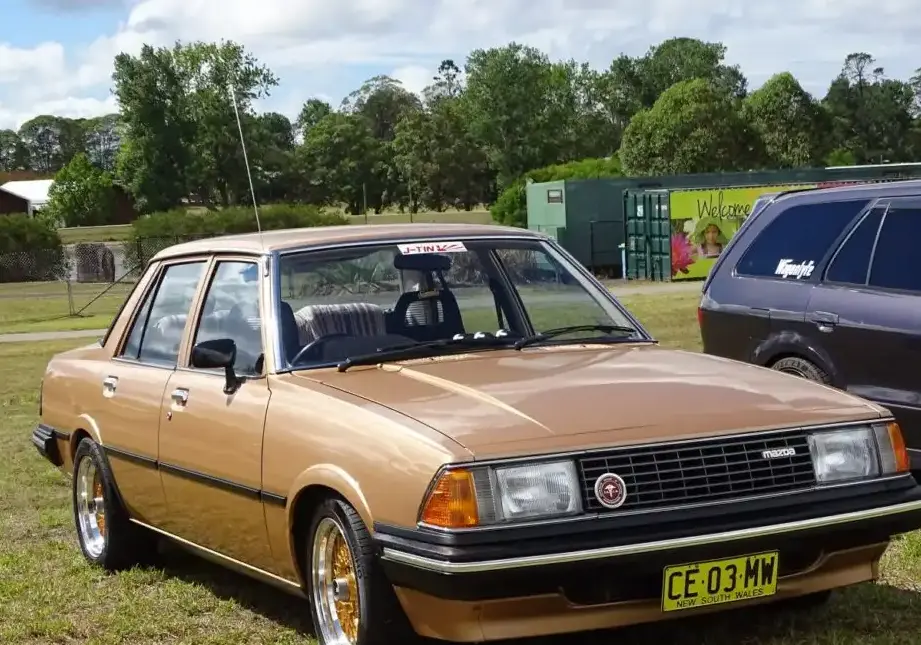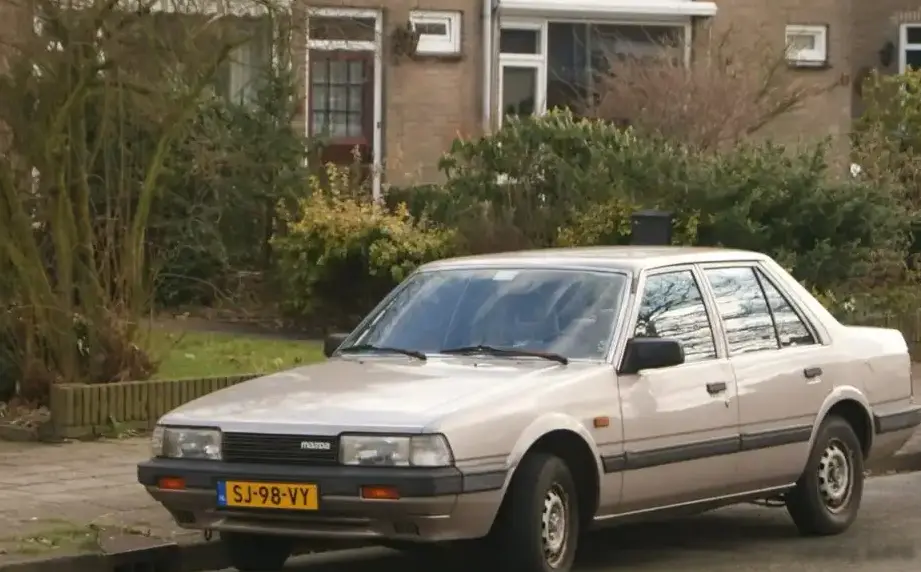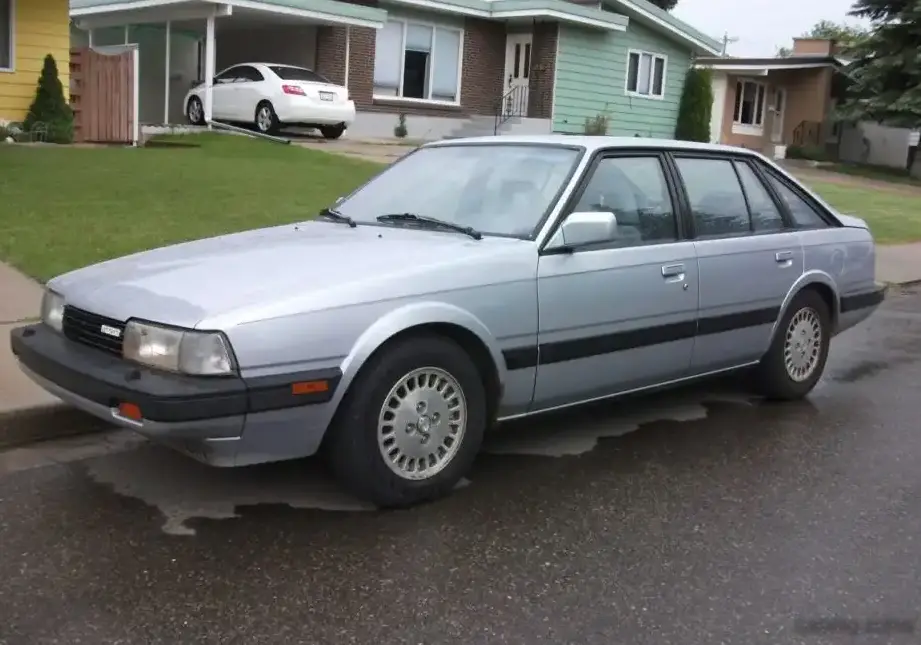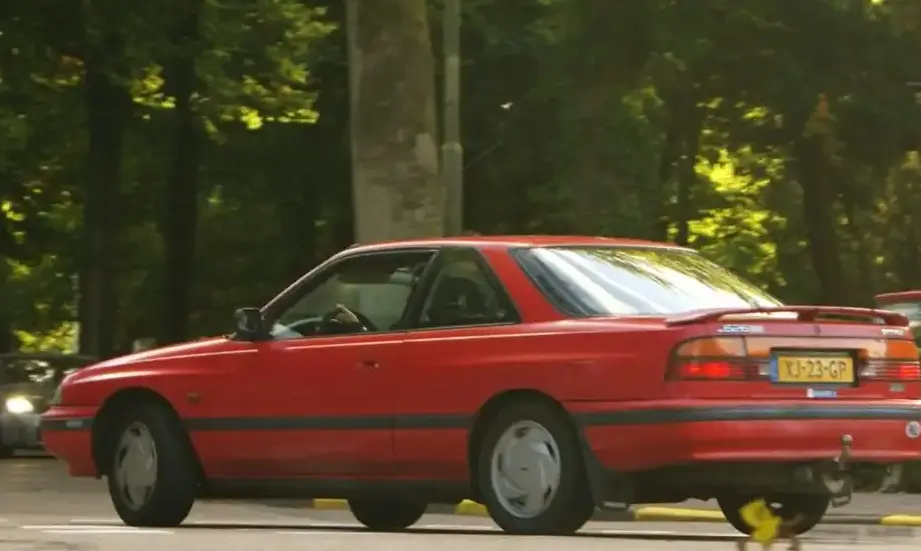
The Mazda 626 III Coupe (GD) 2.0 16V, produced between 1987 and 1990, represents a significant iteration of Mazda’s mid-size offering. This coupe variant, designated as the GD chassis code, was primarily aimed at the North American and European markets, offering a more stylish alternative to the sedan and wagon body styles. It sat within the broader 626 III generation (1987-1991), known for its relatively modern design and improved refinement compared to its predecessors. The 2.0-liter 16-valve engine, producing 140 horsepower, positioned this trim as a mid-range option, balancing performance with affordability and fuel efficiency. It was a key model in Mazda’s attempt to establish itself as a premium Japanese brand in the face of increasing competition.
Technical Specifications
| Brand | Mazda |
| Model | 626 |
| Generation | 626 III Coupe (GD) |
| Type (Engine) | 2.0 16V (140 Hp) |
| Start of production | 1987 |
| End of production | 1990 |
| Powertrain Architecture | Internal Combustion engine |
| Body type | Coupe |
| Fuel Type | Petrol (Gasoline) |
| Power | 140 Hp |
| Engine aspiration | Naturally aspirated engine |
Powertrain & Engine Architecture
The heart of the 626 III Coupe 2.0 16V is the F2 engine, a 1998cc inline-four cylinder gasoline engine. This engine featured a cast iron block and an aluminum cylinder head, a common configuration for the era. The 16-valve cylinder head, with dual overhead camshafts (DOHC), was a key feature contributing to the engine’s improved breathing and power output compared to earlier 8-valve Mazda engines. Fuel delivery was managed by a Bosch electronic fuel injection (EFI) system, providing precise fuel metering for optimal combustion and emissions control. The engine utilized a timing belt to synchronize the camshafts and crankshaft.
While a five-speed manual transmission was available on some 626 models, the 2.0 16V coupe was frequently paired with a four-speed automatic transmission. This automatic, while providing convenience, was not known for its particularly sporty character. It prioritized smooth shifts and ease of use over aggressive acceleration. The transmission featured electronic control, enhancing shift quality and responsiveness. The gear ratios were tuned for comfortable cruising and reasonable acceleration, but it wasn’t designed for maximizing performance.
Driving Characteristics
The 140 horsepower and approximately 135 lb-ft of torque produced by the 2.0-liter engine provided adequate, though not exhilarating, performance for the 626 III Coupe. Acceleration from 0 to 60 mph was typically in the 9-10 second range, depending on the transmission and vehicle load. The automatic transmission, while smooth, did detract somewhat from the engine’s potential, resulting in a noticeable delay during kickdown maneuvers. Compared to the base 2.2-liter engine offered in some markets, the 2.0 16V provided a more responsive and refined driving experience. However, it fell short of the performance offered by larger displacement engines found in competing vehicles.
The coupe’s handling was generally considered competent, with a relatively comfortable ride quality. The suspension, consisting of MacPherson struts in the front and a semi-independent torsion beam rear suspension, provided a good balance between ride comfort and handling stability. Steering was power-assisted, making it light and easy to maneuver, but lacked significant feedback.
Equipment & Trim Levels
The 626 III Coupe 2.0 16V typically came equipped with a reasonable level of standard features for its time. These included power windows, power door locks, and an AM/FM stereo radio. Air conditioning was often standard, or available as an option. Interior upholstery was typically cloth, with options for upgraded materials like velour or leatherette. The dashboard layout was functional and straightforward, with clearly marked gauges and controls.
Optional extras included a sunroof, upgraded sound systems, cruise control, and alloy wheels. Higher trim levels, often denoted by designations like “LX” or “SE”, added features such as upgraded interior trim, more sophisticated audio systems, and exterior enhancements like body-colored mirrors and trim. The specific availability of options varied depending on the market.
Chassis & Braking
The 626 III Coupe utilized a unibody construction, providing a good level of structural rigidity. The front suspension featured MacPherson struts, coil springs, and an anti-roll bar. The rear suspension employed a semi-independent torsion beam setup, which was a cost-effective solution that provided acceptable handling characteristics. Braking was typically accomplished with disc brakes in the front and drum brakes in the rear. Power assist was standard. The braking system was adequate for normal driving conditions, but lacked the stopping power of more advanced systems found in some contemporary vehicles.
The chassis was designed to balance ride comfort with handling stability. Stabilizer bars were used to reduce body roll during cornering, improving handling responsiveness. The steering system was a rack-and-pinion setup, providing precise steering control.
Market Reception & Comparison
The Mazda 626 III Coupe 2.0 16V was generally well-received by automotive critics. It was praised for its stylish design, comfortable interior, and relatively refined driving experience. However, some critics noted that the automatic transmission detracted from the engine’s performance potential. Fuel economy was considered respectable for the time, averaging around 22-26 mpg in combined driving conditions.
Compared to other mid-size coupes of the era, such as the Toyota Camry Coupe and Honda Accord Coupe, the 626 offered a more distinctive styling and a slightly more sporty driving experience. However, it often lagged behind in terms of overall reliability and resale value. The 2.0 16V variant offered a good balance between performance and fuel economy, making it a popular choice for buyers who wanted a stylish and comfortable coupe without sacrificing practicality.
Legacy
The Mazda 626 III Coupe 2.0 16V, while not a particularly rare or collectible vehicle today, holds a nostalgic appeal for many enthusiasts. The F2 engine, while not known for being exceptionally durable, is generally considered reliable if properly maintained. Common issues include oil leaks and timing belt failures, so regular maintenance is crucial. Parts availability is generally good, although some specific trim pieces may be difficult to find.
In the used car market, these coupes are typically available at affordable prices, making them an attractive option for budget-minded buyers. They represent a well-built and relatively stylish example of 1980s Japanese automotive engineering. The 626 III Coupe 2.0 16V remains a testament to Mazda’s ambition to create a compelling and competitive mid-size offering in the global automotive market.