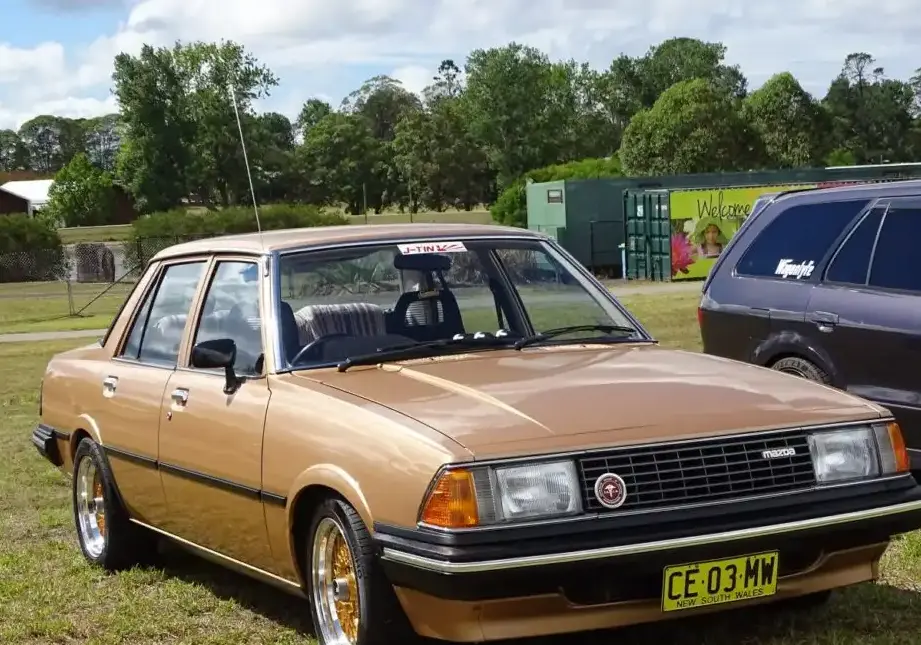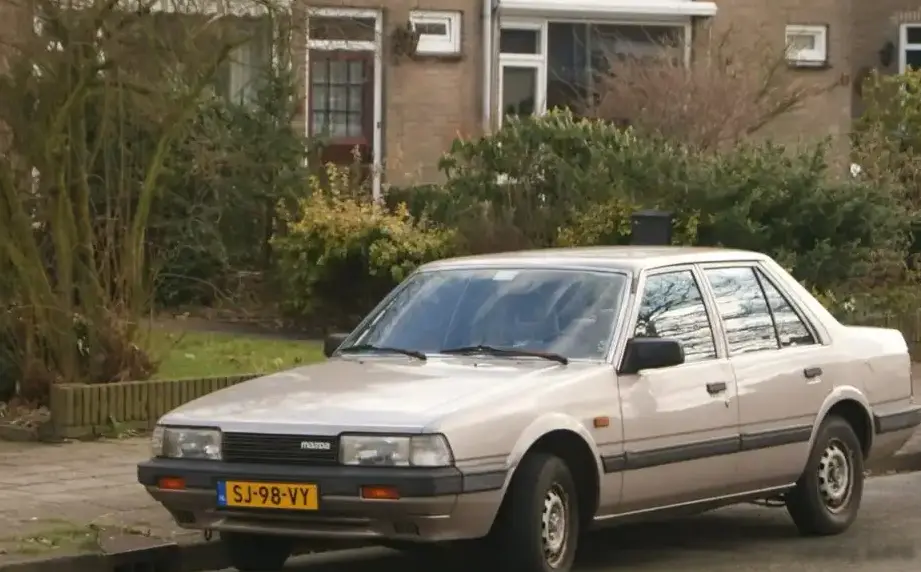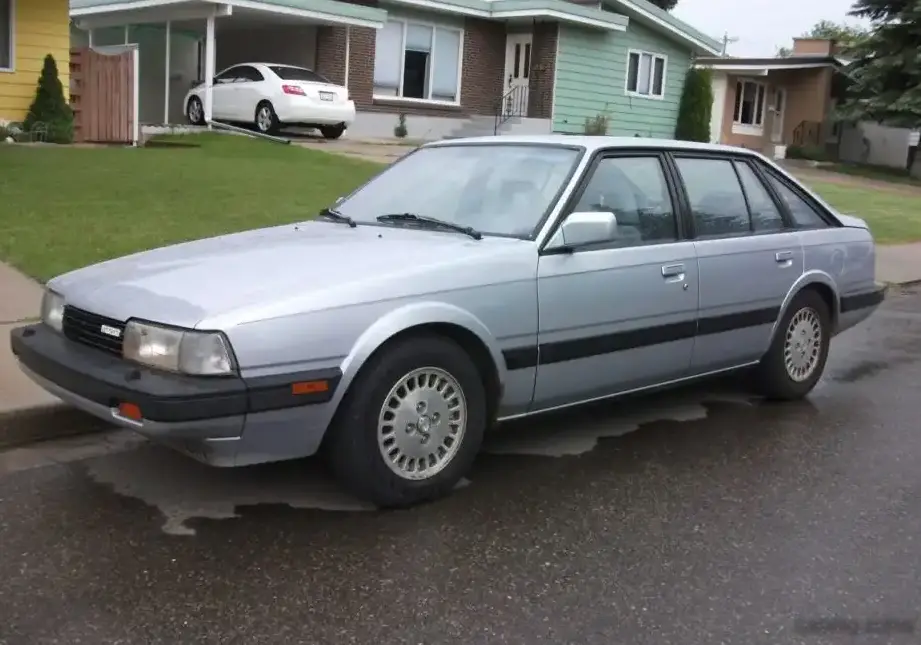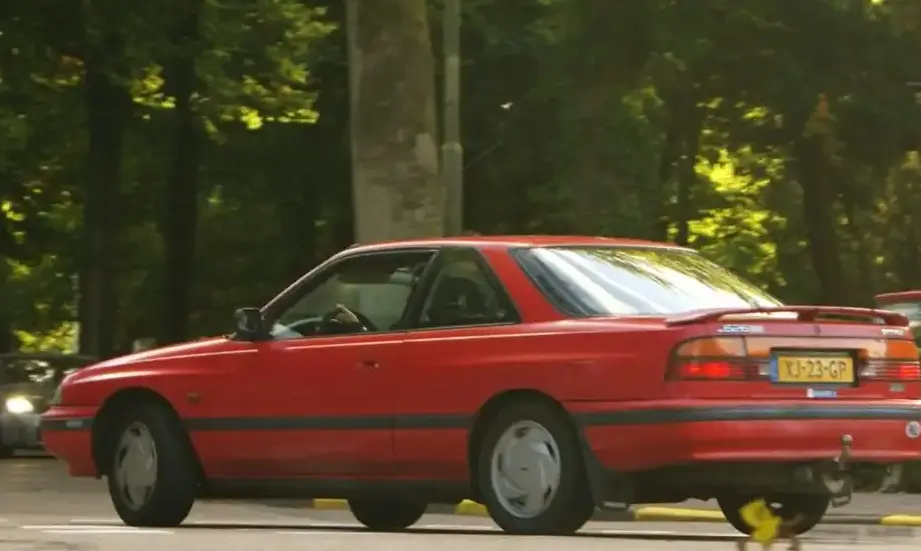
The Mazda 626 III Coupe (GD) 2.0, produced between 1987 and 1990, marked a significant evolution for Mazda within the mid-size coupe segment. As part of the GD generation of the 626, this variant presented a more stylish and sporty alternative to the sedan and wagon body styles. Positioned as an entry-level to mid-range offering in the 626 lineup, the 2.0-liter, 90 horsepower engine coupled with an automatic transmission aimed to deliver comfortable and economical transportation for both families and individual drivers. The GD generation 626, and particularly the coupe, was Mazda’s strategic effort to expand its market share in North America and Europe, building upon the success of previous 626 models and integrating contemporary design and engineering advancements.
Technical Specifications
| Brand | Mazda |
| Model | 626 |
| Generation | 626 III Coupe (GD) |
| Type (Engine) | 2.0 (90 Hp) |
| Start of production | 1987 |
| End of production | 1990 |
| Powertrain Architecture | Internal Combustion Engine |
| Body type | Coupe |
| Fuel Type | Petrol (Gasoline) |
| Power | 90 Hp |
| Engine Aspiration | Naturally Aspirated |
Powertrain & Engine Architecture
The 626 III Coupe 2.0’s core was the Mazda F-series engine, specifically the F2 variant. This 1998cc (121.8 cubic inch) inline-four cylinder engine featured a cast iron block and an aluminum cylinder head. It employed a single overhead camshaft (SOHC) design operating two valves per cylinder. Fuel delivery was managed by Mazda’s electronic fuel injection (EFI) system, which improved fuel efficiency and reduced emissions compared to earlier carbureted engines. The engine generated 90 horsepower at 5200 rpm and 118 lb-ft of torque at 3000 rpm.
The automatic transmission paired with this engine was typically a four-speed unit, engineered for smooth and comfortable shifting. While not celebrated for its sporty performance, the transmission proved reliable and well-matched to the engine’s power characteristics. The transmission’s gear ratios were optimized for fuel economy and everyday driving conditions, rather than aggressive acceleration. The F2 engine, while not a high-output unit, was known for its durability and relatively straightforward maintenance requirements.
Driving Characteristics
The 626 III Coupe 2.0 with the automatic transmission provided a comfortable, though not particularly thrilling, driving experience. Acceleration was sufficient for merging onto highways and overtaking slower vehicles, but it wasn’t designed for rapid acceleration. The automatic transmission, while smooth, did diminish the overall responsiveness compared to the available five-speed manual transmission. The 0-60 mph time was estimated to be around 11-12 seconds, placing it behind more powerful 626 variants equipped with the 2.2-liter engine.
The suspension, consisting of MacPherson struts at the front and a semi-independent torsion beam rear suspension, delivered a reasonably comfortable ride, effectively absorbing bumps and road imperfections. However, it wasn’t particularly sporty, exhibiting noticeable body roll during cornering. The steering was light and easy to use, making it well-suited for urban driving. Overall, the driving experience prioritized comfort and ease of use over outright performance.
Equipment & Trim Levels
The 626 III Coupe 2.0 typically came standard with features considered essential for the era, including power steering, a basic AM/FM radio, cloth upholstery, and manual windows and locks. Air conditioning was frequently an optional extra, as were power windows and locks. Interior trim levels varied depending on the market and the specific package chosen. Higher trim levels might include upgraded cloth upholstery, a more refined sound system, and additional convenience features. The dashboard layout was functional and straightforward, with clearly marked controls. The coupe’s interior, while not luxurious, was well-constructed and offered adequate space for passengers.
Chassis & Braking
The 626 III Coupe utilized a unibody construction, providing a good balance of strength and weight. The front suspension featured MacPherson struts, coil springs, and an anti-roll bar, while the rear suspension employed a semi-independent torsion beam setup. Braking was handled by disc brakes in the front and drum brakes in the rear. The braking system was adequate for everyday driving, but lacked the stopping power of more contemporary systems. The tires were typically 185/65R14, offering a reasonable compromise between ride comfort and handling. The chassis was designed to provide a comfortable and stable ride, prioritizing passenger comfort over sporty handling.
Market Reception & Comparison
The Mazda 626 III Coupe 2.0 was generally well-received by automotive critics as a practical and affordable coupe. It was praised for its comfortable ride, fuel efficiency, and reliable engine. However, it was often criticized for its modest power output and somewhat unremarkable styling. Compared to other coupes in its class, such as the Honda Accord Coupe and Toyota Camry Coupe, the 626 offered a competitive price point and a reputation for reliability. The 2.2-liter engine option in the 626 lineup provided a noticeable performance boost, but came at a higher cost. The 1.8L and 2.0L models were targeted towards buyers prioritizing fuel economy and affordability, while the 2.2L appealed to those seeking more power and performance.
Fuel economy was a strong suit for the 2.0-liter engine, averaging around 22-26 mpg in city driving and 28-32 mpg on the highway. Reliability was also a key strength, with the F2 engine proving to be durable and relatively trouble-free.
Legacy
The Mazda 626 III Coupe 2.0, while not a particularly rare or highly sought-after vehicle today, holds a place in automotive history as a representative of the 1980s Japanese coupe market. The F2 engine, while not known for its high performance, was a reliable and durable powerplant that continued to be used in other Mazda vehicles for several years. The 626 III generation, as a whole, helped to solidify Mazda’s reputation as a manufacturer of affordable and dependable automobiles.
In the used car market, these coupes are often found in reasonable condition, although rust can be a concern, particularly in regions with severe winters. Parts availability is generally good, and maintenance costs are relatively low. The 626 III Coupe 2.0 remains a viable option for those seeking a classic, affordable, and reliable coupe for occasional use or as a restoration project. Its simple mechanicals and relatively easy maintenance make it an appealing choice for enthusiasts and those new to classic car ownership.