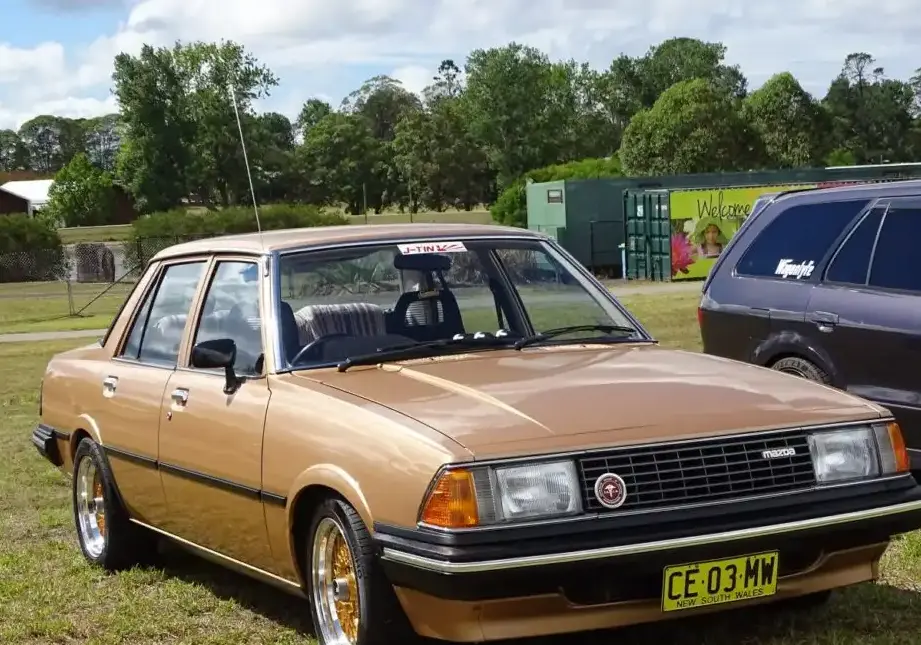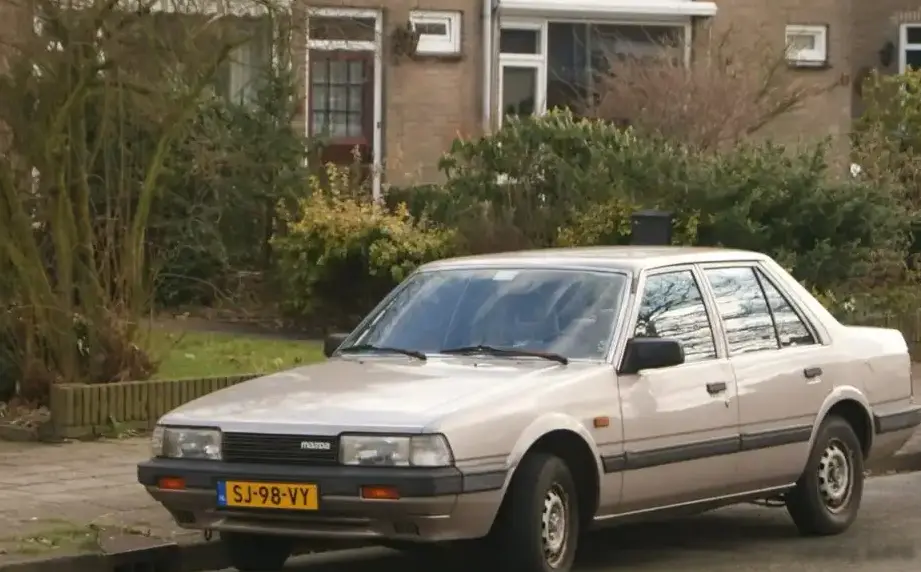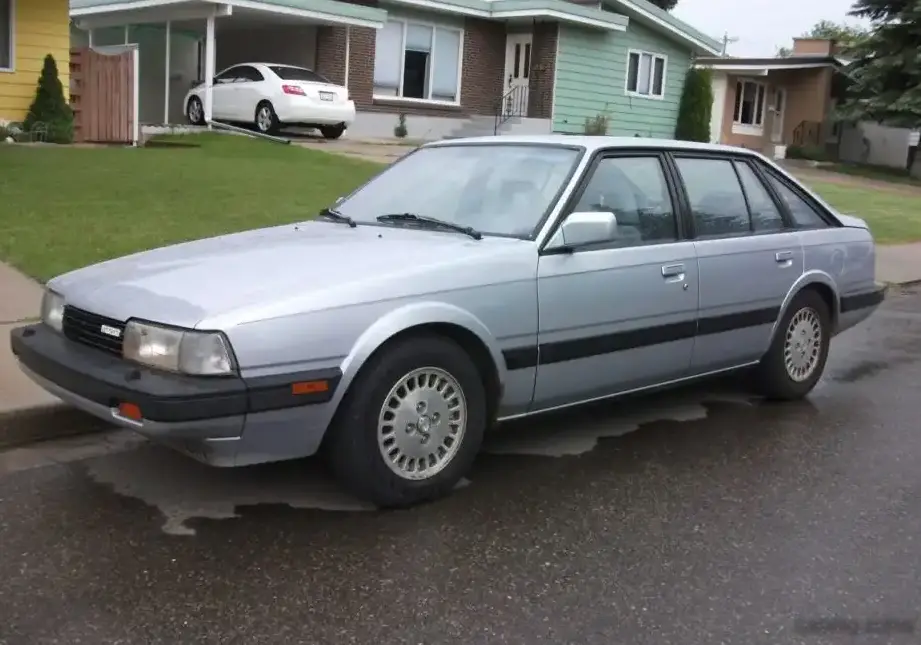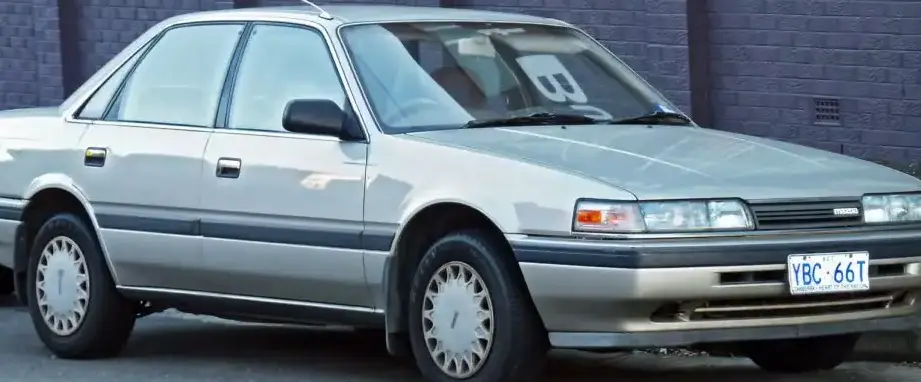
The Mazda 626 III (GD), produced between 1987 and 1992, represented a significant step forward for Mazda in the mid-size sedan segment. This generation, known internally as the GD platform, aimed to offer a blend of practicality, comfort, and reliability. The 2.0-liter 12V variant, producing 107 horsepower, served as a core offering within the 626 lineup, positioned as a balance between affordability and acceptable performance for the average family driver. It was a key model in Mazda’s attempt to gain market share in North America and Europe, competing with established rivals like the Toyota Camry, Honda Accord, and Ford Tempo.
Technical Specifications
| Brand | Mazda |
| Model | 626 |
| Generation | 626 III (GD) |
| Type (Engine) | 2.0 12V (107 Hp) |
| Start of production | 1987 |
| End of production | 1992 |
| Powertrain Architecture | Internal Combustion engine |
| Body type | Sedan |
| Fuel Type | Petrol (Gasoline) |
| Power | 107 Hp |
| Fuel injection system | Carburettor |
| Engine aspiration | Naturally aspirated engine |
Introduction
The GD generation Mazda 626 marked a departure from the more angular styling of its predecessor, adopting a smoother, more aerodynamic design. This third-generation 626 was available in both sedan and hatchback body styles, though the sedan was the more popular choice in the US market. The 2.0-liter 12V engine, paired with either a 5-speed manual or a 4-speed automatic transmission, was a mainstay of the range. This particular configuration aimed to provide a comfortable and economical driving experience, targeting buyers who prioritized fuel efficiency and ease of use over outright performance. The GD series was a crucial model for Mazda, helping to establish the brand as a contender in the increasingly competitive mid-size segment.
Powertrain & Engine Architecture
The heart of the 626 2.0 12V was the Mazda F2 engine, a 1,998cc (121.8 cubic inch) inline-four cylinder engine. This engine utilized a single overhead camshaft (SOHC) design operating 12 valves – three valves per cylinder. Crucially, this variant employed a carburetor for fuel delivery, a technology that was becoming less common as fuel injection gained prominence. The carburetor, typically a Hitachi or Mikuni unit, was chosen for its lower cost and relative simplicity, contributing to the affordability of this trim level. The engine’s block was cast iron, providing durability, while the cylinder head was aluminum, helping to reduce weight. The 4-speed automatic transmission, while providing convenience, was a relatively basic unit, lacking the sophistication of electronically controlled transmissions that would become commonplace in later years. It featured a torque converter and a traditional planetary gearset. The engine produced 107 horsepower at 5,200 rpm and 127 lb-ft of torque at 3,000 rpm.
Driving Characteristics
The 626 2.0 12V with the automatic transmission offered a comfortable, if not particularly exhilarating, driving experience. Acceleration was adequate for everyday driving, but passing maneuvers required careful planning. The automatic transmission’s gear ratios were geared towards fuel economy, resulting in a relatively relaxed cruising speed. Compared to the 5-speed manual version, the automatic suffered a noticeable performance deficit, as the manual allowed the engine to operate in its optimal power band more frequently. The carburetor also contributed to a slightly less responsive throttle feel compared to fuel-injected counterparts. Steering was light and easy, making the car maneuverable in urban environments. The suspension, while tuned for comfort, provided reasonable handling, though it wasn’t particularly sporty. Overall, the driving experience was geared towards practicality and ease of use, rather than performance.
Equipment & Trim Levels
The 2.0-liter 12V automatic 626 typically represented the base or near-base trim level. Standard equipment generally included cloth upholstery, a basic AM/FM radio, manual windows and door locks, and a tilt steering wheel. Air conditioning was often an optional extra, as were power windows and locks. Higher trim levels, such as the LX or SE, added features like upgraded audio systems, cruise control, and more luxurious interior appointments. The interior design was functional and straightforward, with a focus on ergonomics. The dashboard layout was clean and uncluttered, with easy-to-read gauges. The exterior styling was relatively understated, with minimal chrome trim. Wheel covers were typically standard, with optional alloy wheels available on higher trims.
Chassis & Braking
The Mazda 626 III (GD) utilized a front-engine, front-wheel-drive layout. The suspension consisted of MacPherson struts at the front and a semi-independent torsion beam at the rear. The torsion beam rear suspension was a cost-effective solution, but it didn’t offer the same level of sophistication as a fully independent rear suspension. Braking was typically accomplished with disc brakes at the front and drum brakes at the rear. The drum brakes at the rear were a cost-saving measure, and they didn’t provide the same stopping power as disc brakes. Steering was rack-and-pinion, providing precise and responsive handling. The chassis was relatively lightweight, contributing to the car’s fuel efficiency. Stabilizer bars were fitted to both the front and rear axles to reduce body roll during cornering.
Market Reception & Comparison
The Mazda 626 2.0 12V automatic received generally positive reviews for its comfort, reliability, and fuel economy. Critics noted that the carburetor-equipped engine lacked the refinement and responsiveness of fuel-injected engines, and the automatic transmission felt somewhat dated. However, the car’s affordability and practicality were widely praised. Compared to other trims in the 626 lineup, the 2.0-liter 12V automatic offered the best value for money, making it an attractive option for budget-conscious buyers. The fuel economy was competitive with other mid-size sedans of the era, averaging around 22-26 mpg in combined driving. Reliability was generally good, although the carburetor required periodic maintenance and adjustment. Compared to the more powerful 2.2-liter engine option, the 2.0-liter offered a noticeable performance trade-off, but it also delivered better fuel economy.
Legacy
The Mazda 626 III (GD) 2.0 12V, while not the most powerful or technologically advanced version of the 626, remains a fondly remembered car for many owners. The F2 engine, while carburetor-equipped, proved to be reasonably durable and reliable. Today, finding a well-maintained example can be challenging, as many have succumbed to rust or neglect. However, those that remain are often appreciated for their simplicity and affordability. The 626 GD helped to solidify Mazda’s reputation as a manufacturer of reliable and well-built automobiles. The 2.0-liter 12V automatic variant, in particular, represents a practical and economical choice for those seeking a classic mid-size sedan. Parts availability can be limited, but many components are still available through aftermarket suppliers or salvaged vehicles. The car’s enduring appeal lies in its blend of comfort, practicality, and affordability, making it a popular choice among classic car enthusiasts.