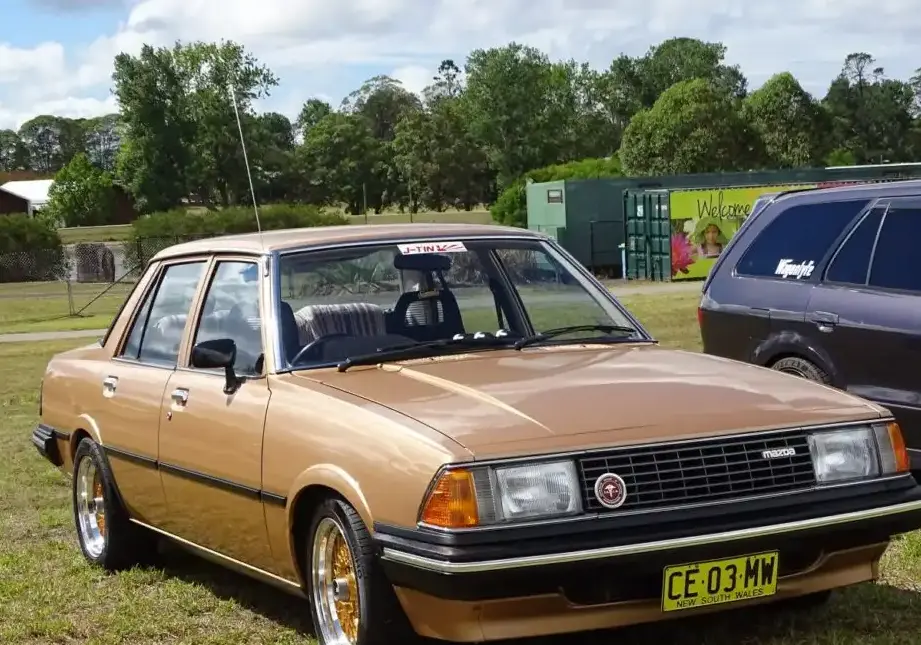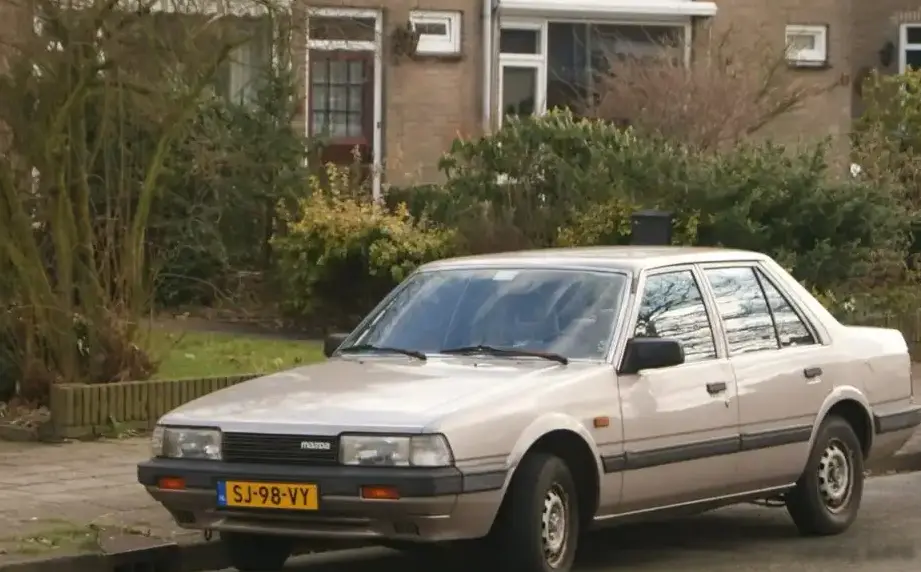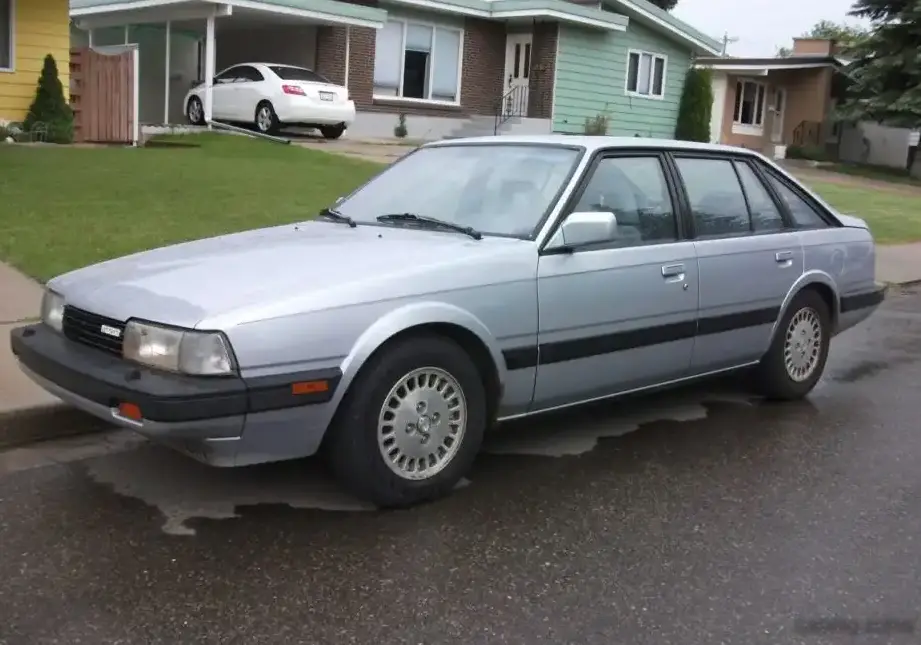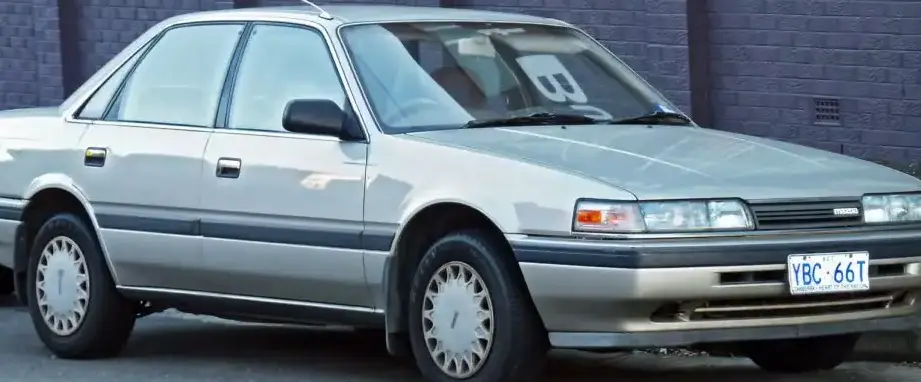
The Mazda 626 III (GD), produced between 1987 and 1992, represented a significant step forward for Mazda in the mid-size sedan segment. This generation, known internally as the GD platform, aimed to offer a blend of practicality, comfort, and a more refined driving experience than its predecessors. The 2.0-liter 16V variant, producing 140 horsepower, occupied a key position in the lineup, offering a balance between performance and fuel efficiency for the North American and European markets. It was positioned as a step up from the base 2.2-liter engine, appealing to buyers seeking a more responsive and modern driving experience without the added cost of the later, more powerful V6 options.
Technical Specifications
| Brand | Mazda |
| Model | 626 |
| Generation | 626 III (GD) |
| Type (Engine) | 2.0 16V (140 Hp) |
| Start of production | 1987 |
| End of production | 1992 |
| Powertrain Architecture | Internal Combustion engine |
| Body type | Sedan |
| Fuel Type | Petrol (Gasoline) |
| Power | 140 Hp |
| Engine aspiration | Naturally aspirated engine |
Powertrain & Engine Architecture
The heart of the 626 III 2.0 16V was the F2 engine, a 1998cc inline-four cylinder powerplant. This engine featured a cast iron block and an aluminum cylinder head, a common configuration for the era aiming to balance durability with weight reduction. The “16V” designation refers to the dual overhead camshafts (DOHC) operating four valves per cylinder, enhancing volumetric efficiency and contributing to the engine’s improved power output compared to earlier Mazda engines. Fuel delivery was managed by a Bosch multi-point fuel injection system, providing precise fuel metering for optimal combustion and emissions control. The engine’s compression ratio was typically around 9.0:1.
While a five-speed manual transmission was available, the 2.0-liter engine was frequently paired with a four-speed automatic transmission, particularly in the North American market. This automatic, while providing convenience, was not known for its particularly sporty character. It prioritized smooth shifts and ease of use over aggressive downshifting. The transmission’s gear ratios were tuned for comfortable cruising and adequate acceleration, but it didn’t fully exploit the engine’s potential. The automatic transmission was a key selling point for buyers prioritizing comfort and ease of driving over outright performance.
Driving Characteristics
The 140 horsepower and 135 lb-ft of torque produced by the 2.0-liter engine provided the 626 III with respectable, though not exhilarating, performance. Acceleration from 0 to 60 mph typically took around 9-10 seconds, making it competitive with other mid-size sedans of the time. The engine felt relatively smooth and responsive, particularly at higher RPMs, thanks to the DOHC valvetrain. However, low-end torque was somewhat lacking, requiring drivers to downshift to maintain momentum when climbing hills or overtaking.
The automatic transmission, while smooth, contributed to a slightly less engaging driving experience compared to the manual version. The gear ratios were spaced to prioritize fuel economy and comfortable cruising, resulting in a noticeable delay during kickdown for passing maneuvers. Compared to the later 2.2-liter engine, the 2.0-liter offered a more refined and willing character, while falling short of the V6’s outright power. The suspension, tuned for comfort, provided a relatively smooth ride, absorbing most road imperfections effectively. However, this came at the expense of sharp handling, with noticeable body roll during cornering.
Equipment & Trim Levels
The 2.0-liter 16V 626 III was typically offered in a mid-range trim level, often designated as the “LX” or “SE” depending on the market. Standard equipment generally included power steering, air conditioning, a basic stereo system, and cloth upholstery. Power windows and door locks were often included, but sometimes offered as optional extras. Interior appointments were generally functional and durable, with a focus on practicality rather than luxury. The dashboard layout was straightforward and easy to use, with clearly labeled controls.
Optional extras could include a sunroof, upgraded stereo systems, alloy wheels, and cruise control. Higher trim levels, often paired with the V6 engine, offered more luxurious features such as leather upholstery, power seats, and a more sophisticated sound system. The 2.0-liter trim aimed to provide a good balance of features and affordability, appealing to a broad range of buyers.
Chassis & Braking
The 626 III utilized a front-engine, front-wheel-drive layout. The suspension consisted of MacPherson struts at the front and a semi-independent torsion beam at the rear. This configuration provided a comfortable ride, but wasn’t particularly sporty. Stabilizer bars were typically fitted to both the front and rear axles to reduce body roll. The braking system consisted of ventilated disc brakes at the front and drum brakes at the rear. Anti-lock brakes (ABS) were available as an option, enhancing safety and control during emergency braking situations. The steering was rack-and-pinion, providing reasonably precise steering feel.
Market Reception & Comparison
The Mazda 626 III 2.0 16V was generally well-received by automotive critics. It was praised for its comfortable ride, spacious interior, and relatively refined engine. However, some critics noted the lack of low-end torque and the somewhat uninspired automatic transmission. Fuel economy was considered good for the time, averaging around 22-26 mpg in mixed driving conditions. Compared to competitors such as the Toyota Camry and Honda Accord, the 626 offered a slightly more sporty driving experience, but lacked the same level of brand recognition and reliability reputation. The 2.2-liter base engine offered lower running costs but significantly less performance, while the V6 provided more power but at a higher price point and with increased fuel consumption.
Legacy
The Mazda 626 III 2.0 16V has proven to be a relatively reliable vehicle, with many examples still on the road today. The F2 engine is generally considered durable, although regular maintenance is essential to prevent issues such as oil leaks and timing belt failure. The automatic transmission, while not particularly sophisticated, is also generally reliable if properly maintained. Parts availability is generally good, although some specific components may be becoming increasingly difficult to find. In the used car market, the 626 III 2.0 16V represents a relatively affordable and practical option for buyers seeking a classic mid-size sedan. Its blend of comfort, reliability, and reasonable performance continues to appeal to enthusiasts and everyday drivers alike. It remains a testament to Mazda’s commitment to building well-engineered and enjoyable vehicles.