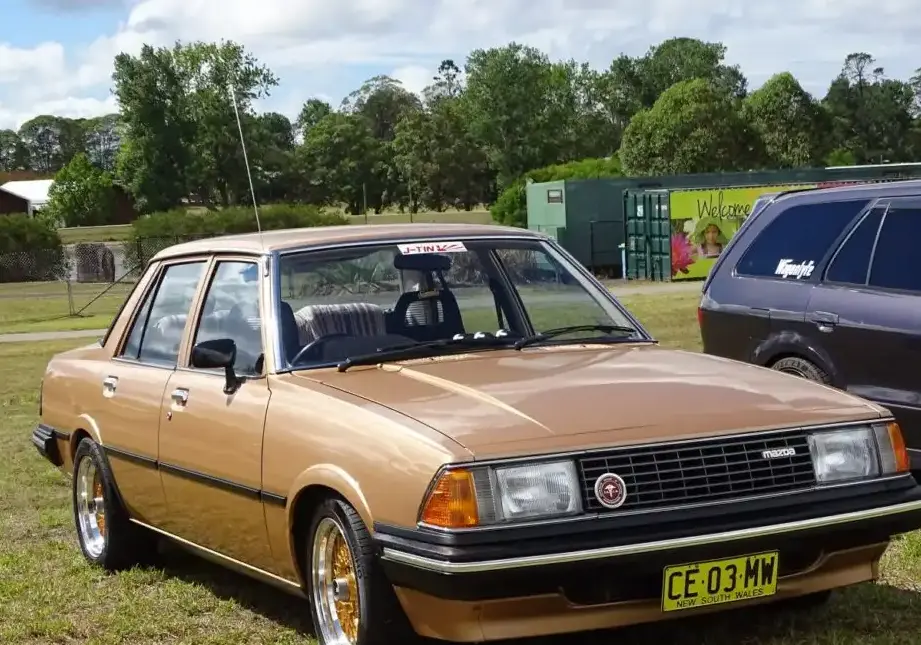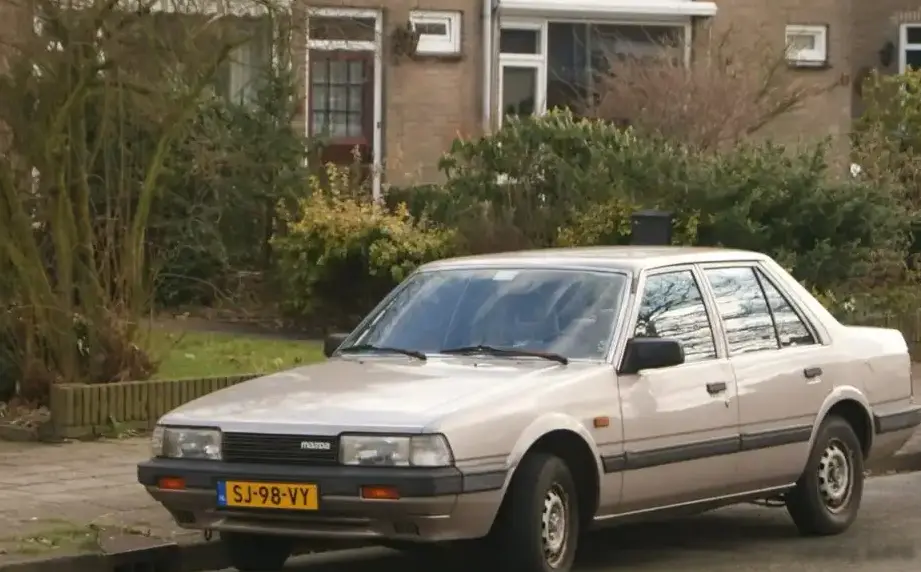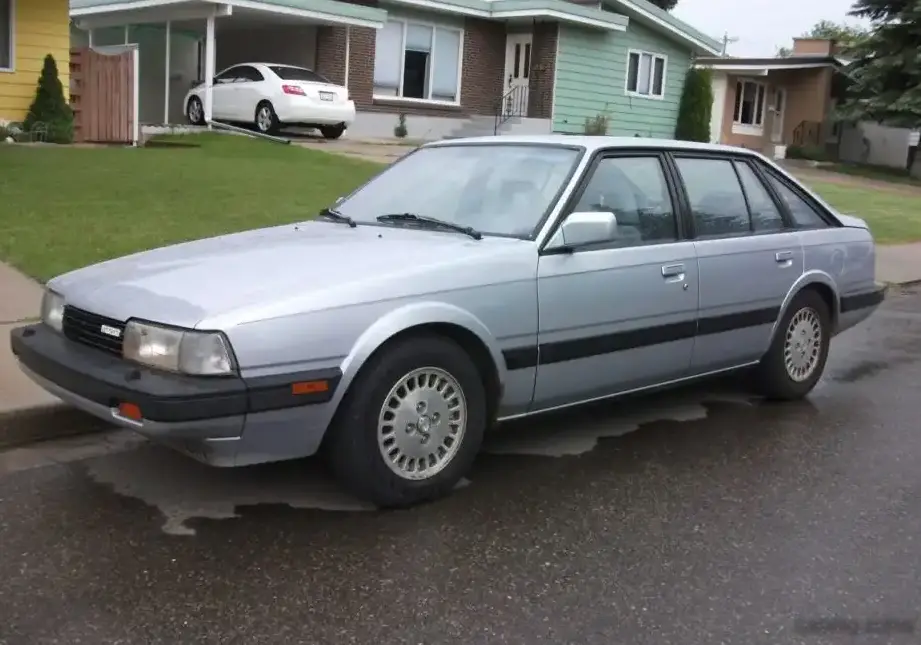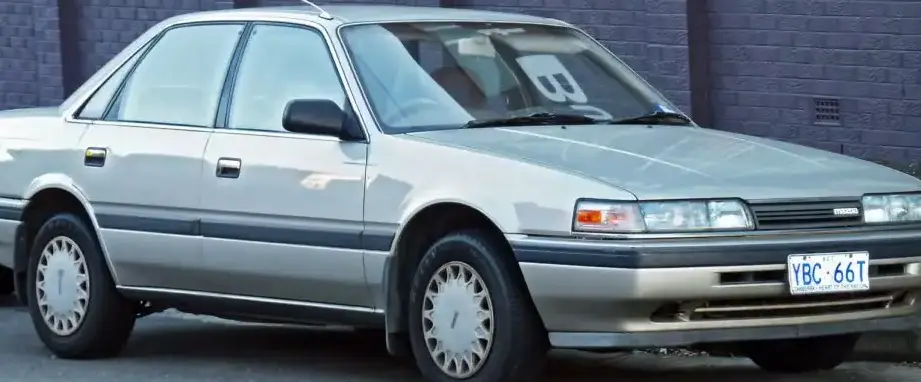
The Mazda 626 III (GD), produced between 1987 and 1989, marked a significant step forward in Mazda’s mid-size sedan lineup. This third-generation 626, designated GD internally, was engineered to deliver a comfortable and dependable family vehicle, directly competing with established rivals such as the Toyota Camry and Honda Accord. The 2.0-liter (90 horsepower) variant occupied the entry-level position within the 626 III range, offering a balance between affordability and acceptable performance. It primarily targeted buyers who prioritized fuel economy and practicality over outright speed. This model played a crucial role in Mazda’s efforts to expand its market share in both North America and Europe, building upon the success of its preceding 626 generations.
Technical Specifications
| Brand | Mazda |
| Model | 626 |
| Generation | 626 III (GD) |
| Type (Engine) | 2.0 (90 Hp) |
| Start of production | 1987 |
| End of production | 1989 |
| Powertrain Architecture | Internal Combustion engine |
| Body type | Sedan |
| Seats | 5 |
| Doors | 4 |
| Fuel Type | Petrol (Gasoline) |
| Acceleration 0 – 100 km/h | 11.3 sec |
| Acceleration 0 – 62 mph | 11.3 sec |
| Acceleration 0 – 60 mph | 10.7 sec |
| Maximum speed | 176 km/h (109.36 mph) |
| Power | 90 Hp @ 5200 rpm |
| Power per litre | 45 Hp/l |
| Torque | 150 Nm @ 3400 rpm (110.63 lb.-ft. @ 3400 rpm) |
| Engine layout | Front, Transverse |
| Engine displacement | 1998 cm3 (121.93 cu. in.) |
| Number of cylinders | 4 |
| Engine configuration | Inline |
| Cylinder Bore | 86 mm (3.39 in.) |
| Piston Stroke | 86 mm (3.39 in.) |
| Compression ratio | 8.6:1 |
| Number of valves per cylinder | 2 |
| Fuel injection system | Carburettor |
| Engine aspiration | Naturally aspirated engine |
| Fuel tank capacity | 60 l (15.85 US gal | 13.2 UK gal) |
| Length | 4120 mm (162.2 in.) |
| Width | 2056 mm (80.94 in.) |
| Height | 1450 mm (57.09 in.) |
| Drivetrain Architecture | The Internal combustion engine (ICE) drives the front wheels of the vehicle. |
| Drive wheel | Front wheel drive |
| Number of gears and type of gearbox | 5 gears, manual transmission |
Powertrain & Engine Architecture
The 626 III 2.0’s powertrain centered around the FE engine, a 1.998-liter inline-four cylinder gasoline engine. This engine featured a single overhead camshaft (SOHC) valvetrain with two valves per cylinder. The 90 horsepower output was achieved at 5200 rpm, while peak torque of 150 Nm (110.63 lb-ft) was delivered at 3400 rpm. A defining characteristic of this variant was its use of a carburetor for fuel delivery, a technology that was becoming increasingly less common during the late 1980s. While simpler and less expensive than fuel injection systems, this carburetor setup resulted in slightly lower fuel efficiency and increased emissions compared to injected alternatives. The engine’s 8.6:1 compression ratio represented a compromise between performance and the varying fuel quality available in different markets. The engine was mounted transversely at the front of the vehicle, powering the front wheels. A five-speed manual transmission was standard, although a four-speed automatic transmission was offered as an option, albeit at the expense of performance.
Driving Characteristics
The 626 III 2.0, equipped with the 90 hp engine and five-speed manual transmission, provided adequate, though not particularly exciting, performance. Acceleration from 0 to 60 mph took approximately 10.7 seconds, with a top speed of around 109 mph. The carburetor’s response could feel somewhat sluggish compared to fuel-injected engines, requiring a bit more throttle input for quicker acceleration. The five-speed manual transmission offered reasonable control, with gear ratios optimized for fuel efficiency rather than sporty driving. The optional automatic transmission further diminished performance, extending 0-60 mph times to around 12-13 seconds. Handling was generally considered safe and predictable, but lacked a sporty feel. The suspension prioritized ride comfort over sharp cornering, making it well-suited for daily commuting and long-distance travel.
Equipment & Trim Levels
The 2.0-liter 626 typically represented the base trim level. Standard features included cloth upholstery, a basic AM/FM radio, and manual windows and door locks. Air conditioning was frequently an optional extra, as were power windows and an upgraded stereo system. Interior plastics were durable but lacked a luxurious feel. The dashboard layout was functional and straightforward, with clearly visible gauges. Higher trim levels, such as the LX, added features like upgraded upholstery, a sunroof, and alloy wheels. The base 2.0 model was designed as a value-oriented option, providing essential transportation without unnecessary extras.
Chassis & Braking
The 626 III employed a front-engine, front-wheel-drive layout with an independent front suspension utilizing MacPherson struts and a semi-independent rear suspension with a twist beam. This suspension configuration prioritized ride comfort, though it wasn’t particularly sophisticated. Braking was typically achieved with front disc brakes and rear drum brakes. Power steering was standard, enhancing maneuverability at low speeds. The chassis was engineered to balance rigidity and weight reduction, contributing to the car’s overall handling characteristics. Stabilizer bars were included to minimize body roll during cornering, but their effectiveness was limited by the relatively soft suspension tuning.
Market Reception & Comparison
The Mazda 626 III 2.0 was generally well-received as a practical and reliable family sedan. Reviewers praised its comfortable ride and spacious interior, but acknowledged that its performance was unremarkable. Compared to the more powerful 2.2-liter engine option available in the 626 III range, the 2.0-liter model felt noticeably slower. Fuel economy was a significant advantage, however, making it an appealing choice for budget-conscious buyers. The 2.0-liter version was often viewed as a sensible option for those who prioritized affordability and practicality over performance. It directly competed with other entry-level mid-size sedans like the Ford Tempo and Nissan Sentra.
Legacy
The Mazda 626 III 2.0, while not a performance benchmark, proved to be a durable and reliable vehicle. The FE engine, despite its carburetor-based fuel delivery, was generally considered robust and capable of achieving high mileage with proper maintenance. Today, these cars are relatively scarce, and well-maintained examples are sought after by enthusiasts and collectors. The 626 III helped solidify Mazda’s reputation as a manufacturer of dependable and affordable vehicles in the North American and European markets. The 2.0-liter variant, as the least powerful in the lineup, remains a testament to Mazda’s commitment to providing practical and reliable transportation for a broad range of consumers. Finding replacement parts can be challenging, but the relatively simple mechanical design makes it accessible for DIY repairs for mechanically inclined owners.