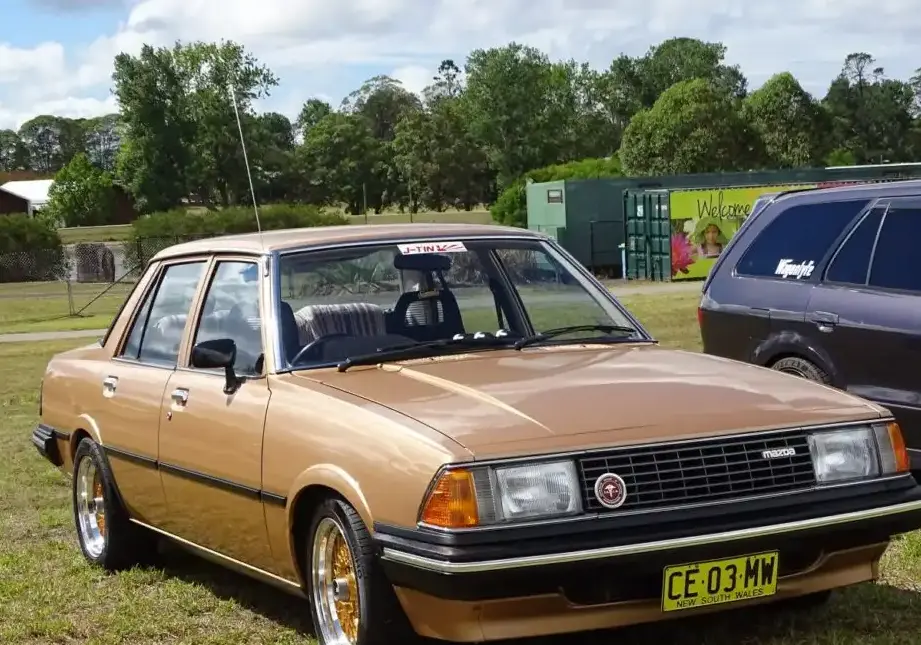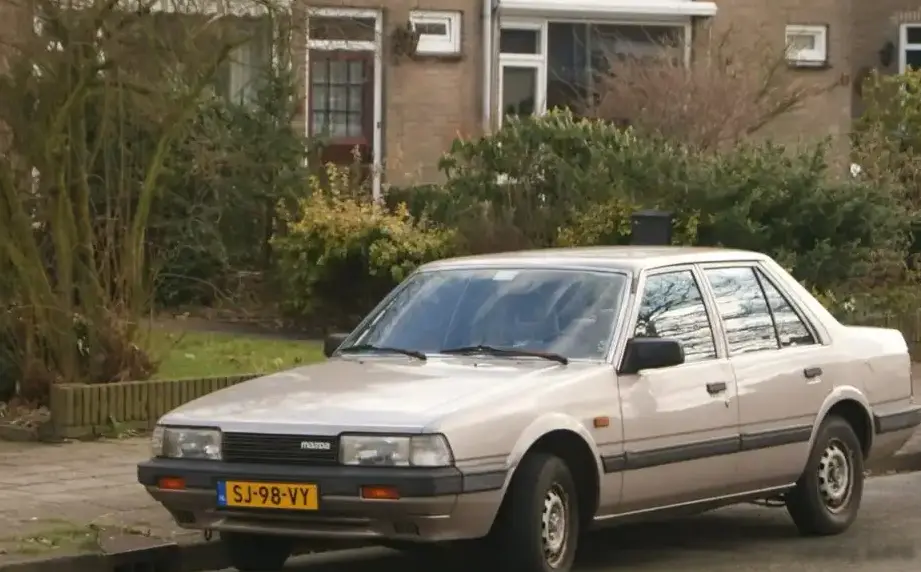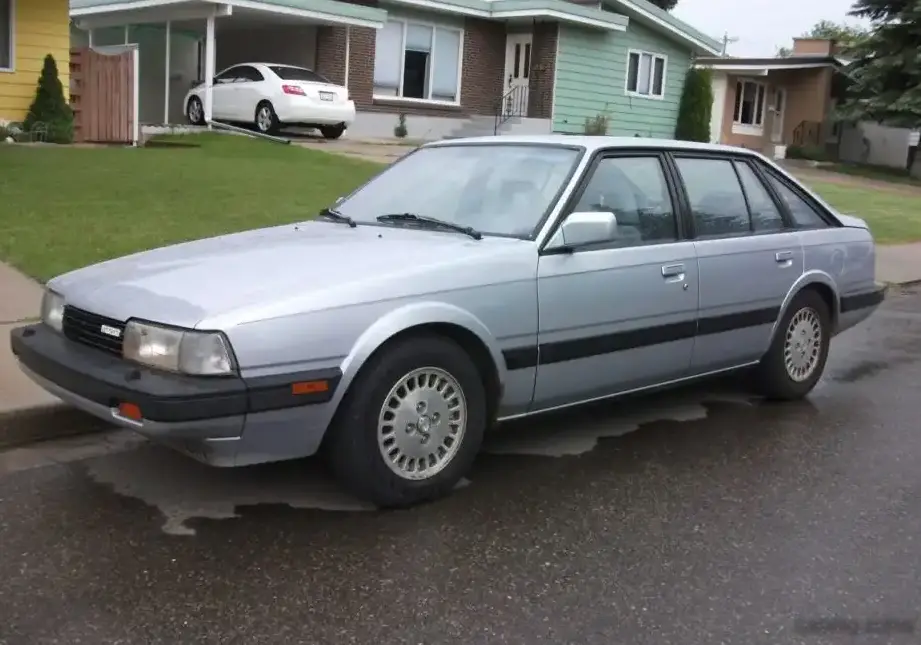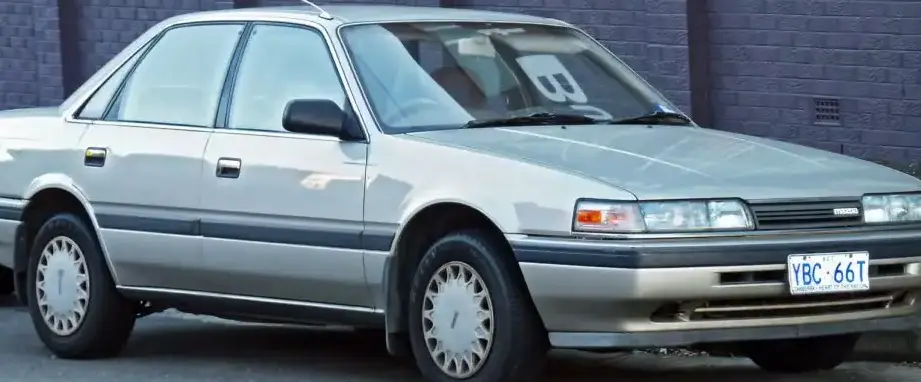
The Mazda 626 III (GD) 2.0 D, produced between 1987 and 1991, represented a significant offering in Mazda’s lineup during a period of increasing demand for fuel-efficient, family-sized sedans. This variant, powered by the RF-N diesel engine, was primarily aimed at the European and Asian markets where diesel fuel was more prevalent and cost-effective. Within the GD generation of the 626, which spanned from 1987 to 1991, the 2.0 D served as the entry-level diesel option, positioned below the more powerful 2.0 diesel variants. It offered a balance between affordability, practicality, and Mazda’s reputation for reliability. The GD series itself was a substantial redesign of the 626, moving towards a more modern and aerodynamic aesthetic compared to its predecessor.
Technical Specifications
| Brand | Mazda |
| Model | 626 |
| Generation | 626 III (GD) |
| Type (Engine) | 2.0 D (60 Hp) |
| Start of production | 1987 |
| End of production | 1991 |
| Powertrain Architecture | Internal Combustion engine |
| Body type | Sedan |
| Fuel Type | Diesel |
| Power | 60 Hp |
| Engine Model/Code | RF-N |
| Engine aspiration | Naturally aspirated engine |
| Engine oil capacity | 5.5 l (5.81 US qt | 4.84 UK qt) |
| Coolant capacity | 9.5 l (10.04 US qt | 8.36 UK qt) |
Powertrain & Engine Architecture
The heart of the 626 III 2.0 D was the RF-N engine, a 1998cc inline-four cylinder diesel. This engine utilized indirect injection, a common technology for diesel engines of the era, employing a pre-chamber combustion system. Indirect injection offered quieter operation and reduced engine knock compared to direct injection systems, but generally resulted in slightly lower power output and fuel efficiency. The RF-N featured a naturally aspirated configuration, meaning it did not employ a turbocharger or supercharger. The engine’s valvetrain consisted of a single overhead camshaft (SOHC) operating two valves per cylinder. While not a particularly high-revving engine, the RF-N was designed for durability and low-end torque. The transmission paired with the RF-N was typically a four-speed automatic, chosen for its ease of use and suitability for family transportation. This automatic transmission was a conventional hydraulic control unit, lacking the electronic controls found in later automatic gearboxes.
Driving Characteristics
The 626 2.0 D Automatic offered a decidedly unhurried driving experience. With only 60 horsepower on tap, acceleration was modest, particularly when fully loaded with passengers and cargo. The four-speed automatic transmission, while smooth in operation, contributed to this lack of urgency. Gear ratios were optimized for fuel economy and relaxed cruising rather than spirited performance. Compared to the gasoline-powered 626 variants, or even the higher-output diesel models, the 2.0 D felt significantly slower. However, the engine’s torque characteristics meant it was reasonably capable of maintaining highway speeds on level ground. The automatic transmission’s shift points were calibrated to keep the engine within its optimal torque band, providing acceptable drivability in most situations. Drivers accustomed to more powerful vehicles would find the 2.0 D’s performance underwhelming, but for those prioritizing fuel efficiency and a comfortable ride, it offered a viable option.
Equipment & Trim Levels
The 626 III 2.0 D typically represented the base trim level for diesel models. Standard equipment generally included cloth upholstery, a basic AM/FM radio, and manual windows and door locks. Power steering was often included, but air conditioning was frequently an optional extra. The dashboard layout was functional and straightforward, with clearly marked gauges for speed, engine temperature, fuel level, and a basic trip odometer. Interior trim was typically dark in color, with durable plastics used throughout the cabin. Optional extras could include upgraded audio systems, central locking, and electric windows. The overall interior ambiance was practical and utilitarian, reflecting the car’s positioning as an affordable family sedan. Exterior features typically included steel wheels with hubcaps, black plastic trim, and relatively simple lighting units.
Chassis & Braking
The 626 III utilized a MacPherson strut front suspension and a semi-independent torsion beam rear suspension. This suspension setup provided a comfortable ride quality, although it wasn’t particularly sporty in handling. The torsion beam rear suspension was a cost-effective solution commonly used in front-wheel-drive vehicles of this era. Braking on the 2.0 D typically consisted of disc brakes on the front wheels and drum brakes on the rear wheels. This configuration was common for vehicles in this price range during the late 1980s. The braking system was adequate for normal driving conditions, but lacked the stopping power of more advanced braking systems with discs on all four wheels. Stabilizer bars were often included on the front axle to reduce body roll during cornering, but their effectiveness was limited by the overall suspension design.
Market Reception & Comparison
The Mazda 626 III 2.0 D was generally well-received in markets where diesel fuel was affordable and readily available. Critics praised its fuel economy and durability, but noted its lack of performance compared to gasoline-powered rivals. Compared to the 2.0-liter gasoline engine options in the 626 lineup, the diesel offered significantly better fuel economy but considerably less power. The 2.0 D also differed from the higher-output diesel variants, which offered more power but at a higher price point. The 2.0 D’s target audience was primarily budget-conscious buyers who prioritized fuel efficiency and reliability over outright performance. It competed with other diesel-powered sedans from manufacturers such as Volkswagen, Ford, and Peugeot.
Legacy
The RF-N diesel engine, while not known for its cutting-edge technology, proved to be a relatively reliable and durable powerplant. Many examples of the 626 III 2.0 D remain on the road today, a testament to its robust construction. However, age and mileage inevitably take their toll, and finding well-maintained examples can be challenging. Common issues include wear and tear on the fuel injection system, oil leaks, and corrosion. In the used car market, the 626 III 2.0 D is typically valued for its affordability and simplicity. It appeals to enthusiasts seeking a classic Japanese sedan or those looking for a fuel-efficient and reliable commuter vehicle. While not a particularly collectible model, the 626 III 2.0 D represents a significant chapter in Mazda’s history and a practical transportation solution for its time.