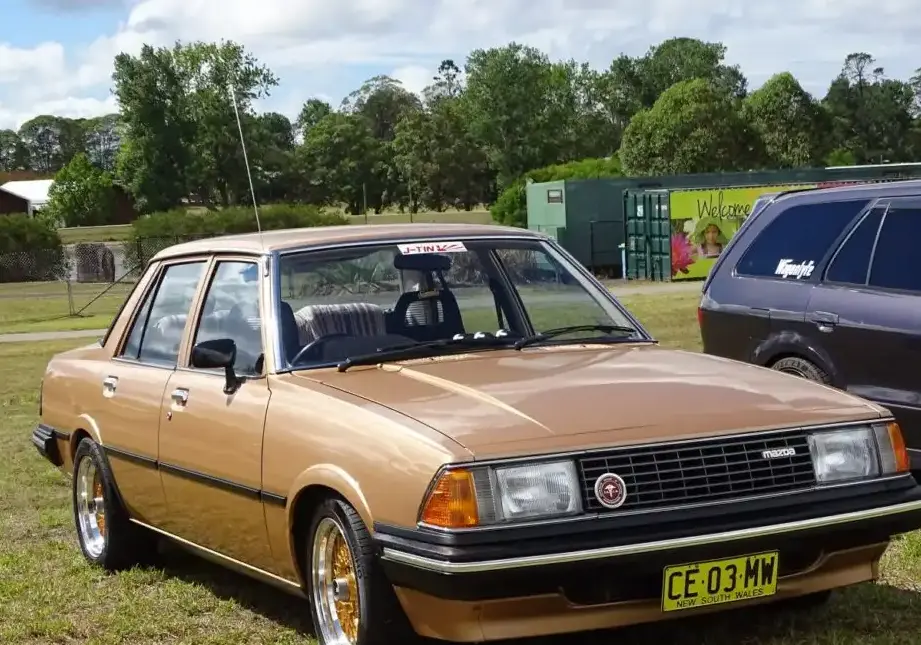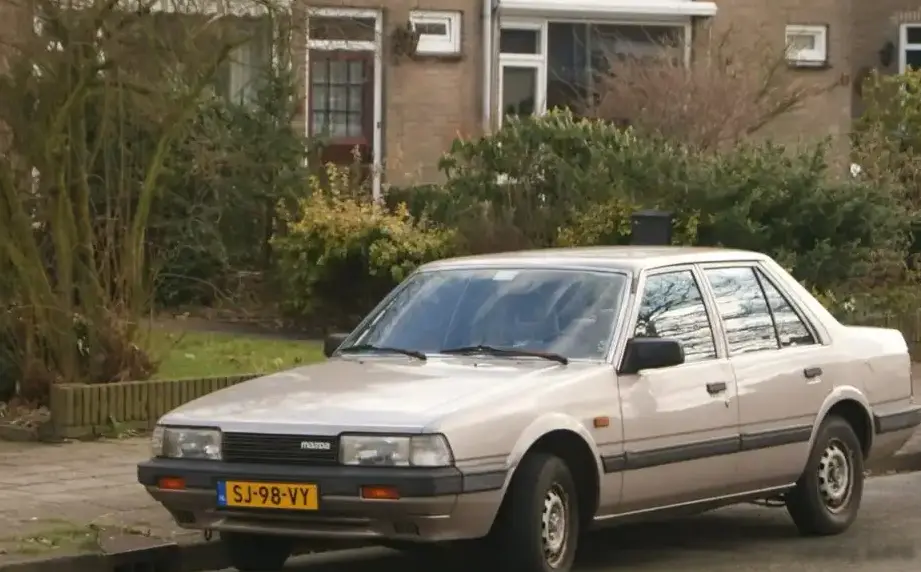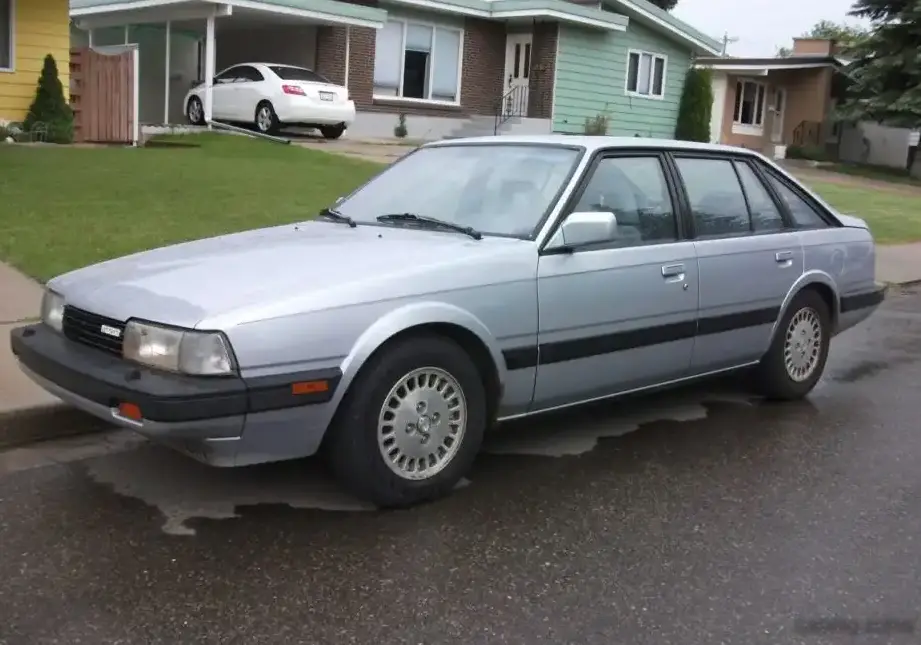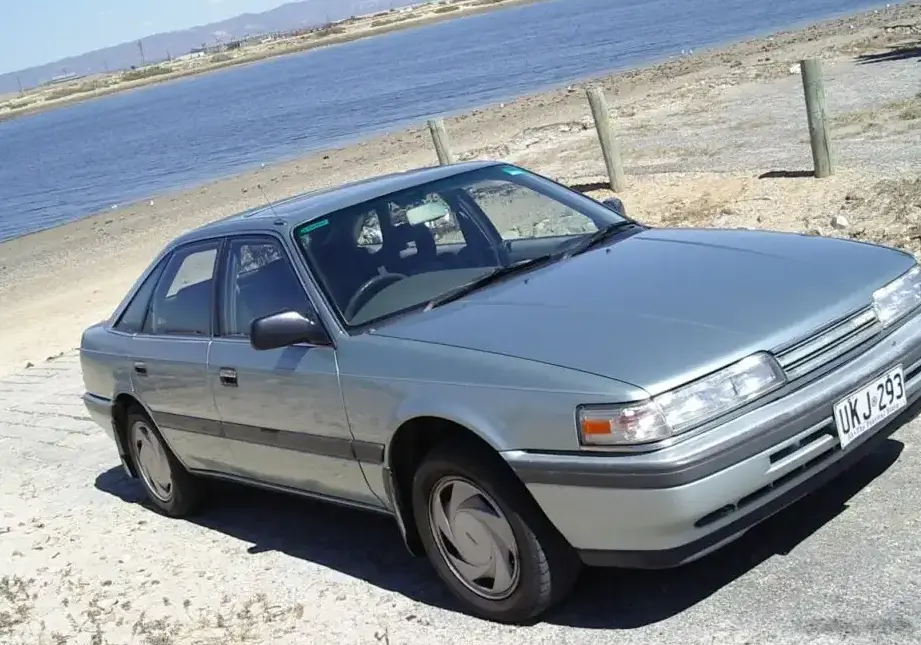
The Mazda 626 III Hatchback, specifically the 1.8-liter (88 horsepower) variant produced between 1987 and 1992 (chassis code GD), represented a significant offering in the compact car segment. This model was part of the broader 626 III generation, which aimed to provide a blend of practicality, fuel efficiency, and affordability. The hatchback body style, while less common in the US market than the sedan, offered increased cargo versatility. This particular 1.8L engine and automatic transmission combination served as an entry-level option within the 626 III range, targeting buyers prioritizing economy and ease of use over outright performance. It was positioned below the more powerful 2.0-liter and turbocharged variants.
Technical Specifications
| Brand | Mazda |
| Model | 626 |
| Generation | 626 III Hatchback (GD) |
| Type (Engine) | 1.8 (88 Hp) |
| Start of production | 1987 |
| End of production | 1992 |
| Powertrain Architecture | Internal Combustion engine |
| Body type | Hatchback |
| Fuel Type | Petrol (Gasoline) |
| Power | 88 Hp |
| Engine aspiration | Naturally aspirated engine |
Powertrain & Engine Architecture
The heart of this 626 variant is the Mazda F8 engine, an 1.8-liter (1798cc) inline-four cylinder gasoline engine. This engine utilizes a single overhead camshaft (SOHC) valvetrain with two valves per cylinder. Fuel delivery is managed by a Bosch mechanical fuel injection system, a common setup for the era, providing a balance between cost and efficiency. The F8 engine is known for its relatively simple design and robust construction. While not a powerhouse, it was designed for reliability and longevity. The engine produces 88 horsepower at approximately 5,500 rpm and 109 lb-ft of torque at 3,500 rpm.
Paired with this engine is a four-speed automatic transmission. This transmission, while providing convenient operation, was not known for its particularly quick shifts or sporty feel. The gear ratios were optimized for fuel economy and smooth cruising rather than acceleration. The automatic transmission was a key selling point for buyers seeking a hassle-free driving experience, particularly in urban environments. It’s important to note that a five-speed manual transmission was also available on other 626 III models, offering a more engaging driving experience and slightly improved fuel economy.
Driving Characteristics
The 1.8-liter, automatic transmission 626 Hatchback delivers a comfortable, if not particularly exciting, driving experience. Acceleration is modest, with 0-60 mph times estimated around 12-14 seconds. The automatic transmission contributes to a smooth, linear power delivery, but can feel somewhat sluggish when attempting to overtake or merge onto highways. The gear ratios are spaced to prioritize fuel efficiency, meaning the engine often operates at lower rpm ranges during normal driving. Compared to the 2.0-liter versions, the 1.8L feels noticeably less powerful, especially when fully loaded with passengers or cargo. The manual transmission variants offered a more responsive feel and better control over the engine’s power band. However, the automatic’s ease of use made it a popular choice for everyday commuting.
Equipment & Trim Levels
The 1.8-liter 626 Hatchback typically came with a fairly basic level of equipment, reflecting its position as the entry-level model. Standard features generally included cloth upholstery, a basic AM/FM radio, and manual windows and door locks. Air conditioning was often an optional extra, as were power windows and a more advanced stereo system. Interior trim was typically functional and durable, prioritizing practicality over luxury. The dashboard layout was straightforward and easy to use, with clearly labeled controls. Depending on the market, some models may have included features like a rear window wiper, central locking, and a tilt-adjustable steering wheel. The overall interior ambiance was clean and functional, typical of Japanese cars of the late 1980s and early 1990s.
Chassis & Braking
The 626 III Hatchback utilizes a front-engine, front-wheel-drive layout. The suspension consists of MacPherson struts at the front and a twist-beam rear axle. This suspension setup provides a comfortable ride quality, absorbing bumps and imperfections in the road reasonably well. However, it’s not particularly sporty, with noticeable body roll during cornering. Braking duties are handled by disc brakes at the front and drum brakes at the rear. This configuration was common for cars in this price range at the time. The braking system is adequate for normal driving conditions, but lacks the stopping power and feel of more advanced systems. Stabilizer bars were typically included at both the front and rear to help reduce body roll and improve handling stability.
Market Reception & Comparison
The Mazda 626 III Hatchback 1.8L Automatic was generally well-received as a practical and affordable family car. Critics praised its fuel efficiency, comfortable ride, and spacious interior. However, the engine’s lack of power was a common criticism, particularly when compared to competitors offering larger displacement engines. In terms of fuel economy, the 1.8L variant typically achieved around 25-30 mpg in combined driving conditions, making it a relatively economical choice for the time. Compared to the 2.0-liter versions of the 626, the 1.8L offered lower running costs but sacrificed performance. The 2.0-liter models were favored by drivers who prioritized acceleration and responsiveness. Reliability was generally good, with the F8 engine proving to be a durable and long-lasting unit.
Legacy
The Mazda 626 III Hatchback 1.8L Automatic, while not the most exciting version of the 626, holds a respectable place in automotive history. Its simple, robust design and relatively low maintenance costs have contributed to its longevity. Today, these cars are becoming increasingly rare, but well-maintained examples can still be found. The F8 engine is known for its reliability, and parts availability, while diminishing, is still reasonable. In the used car market, these 626s are often sought after by enthusiasts looking for a classic Japanese car that is affordable to maintain and enjoyable to drive. The 1.8L automatic variant represents a practical and economical choice for those seeking a reliable and versatile hatchback from the late 1980s and early 1990s.