Technical Specifications
| Brand | Mazda |
| Model | 626 |
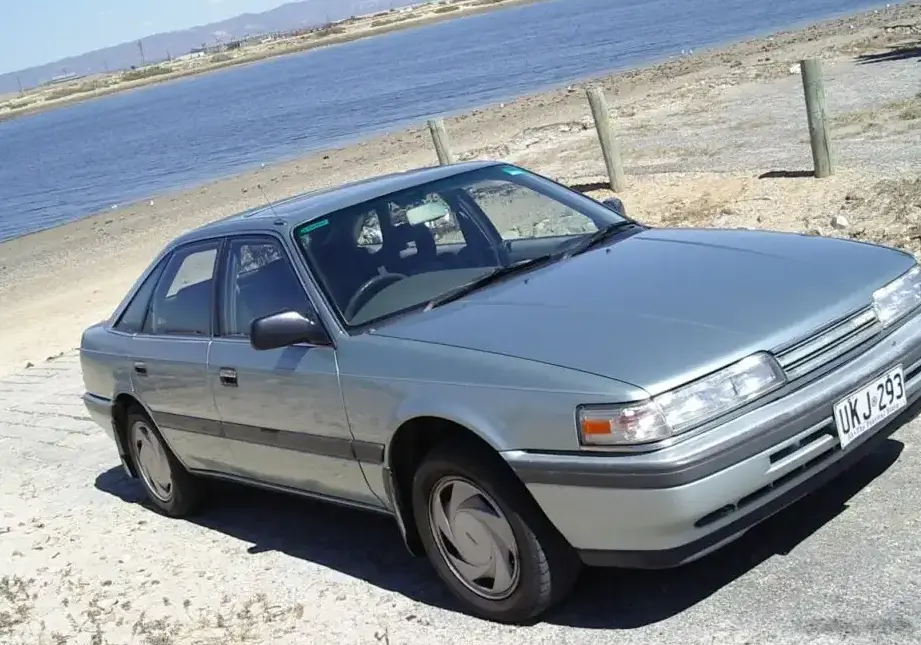
| Generation | 626 III Hatchback (GD) |
| Type (Engine) | 2.0 D (60 Hp) |
| Start of production | 1987 |
| End of production | 1991 |
| Powertrain Architecture | Internal Combustion engine |
| Body type | Hatchback |
| Seats | 5 |
| Doors | 5 |
| Fuel consumption (urban) | 6.7 l/100 km (35.1 US mpg, 42.2 UK mpg, 14.9 km/l) |
| Fuel consumption (extra urban) | 5.5 l/100 km (42.8 US mpg, 51.4 UK mpg, 18.2 km/l) |
| Fuel consumption (combined) | 6 l/100 km (39.2 US mpg, 47.1 UK mpg, 16.7 km/l) |
| Fuel Type | Diesel |
| Power | 60 Hp |
| Power per litre | 30 Hp/l |
| Engine Model/Code | RF-N |
| Engine displacement | 1998 cm3 (121.93 cu. in.) |
| Number of cylinders | 4 |
| Fuel injection system | Precombustion chamber injection |
| Engine aspiration | Naturally aspirated |
| Engine oil capacity | 5.5 l (5.81 US qt, 4.84 UK qt) |
| Coolant capacity | 9.5 l (10.04 US qt, 8.36 UK qt) |
| Trunk (boot) space – minimum | 500 l (17.66 cu. ft.) |
| Trunk (boot) space – maximum | 1500 l (52.97 cu. ft.) |
| Fuel tank capacity | 60 l (15.85 US gal, 13.2 UK gal) |
| Number of gears & gearbox type | 5 gears, manual transmission |
| Front brakes | Ventilated discs |
| Rear brakes | Disc |
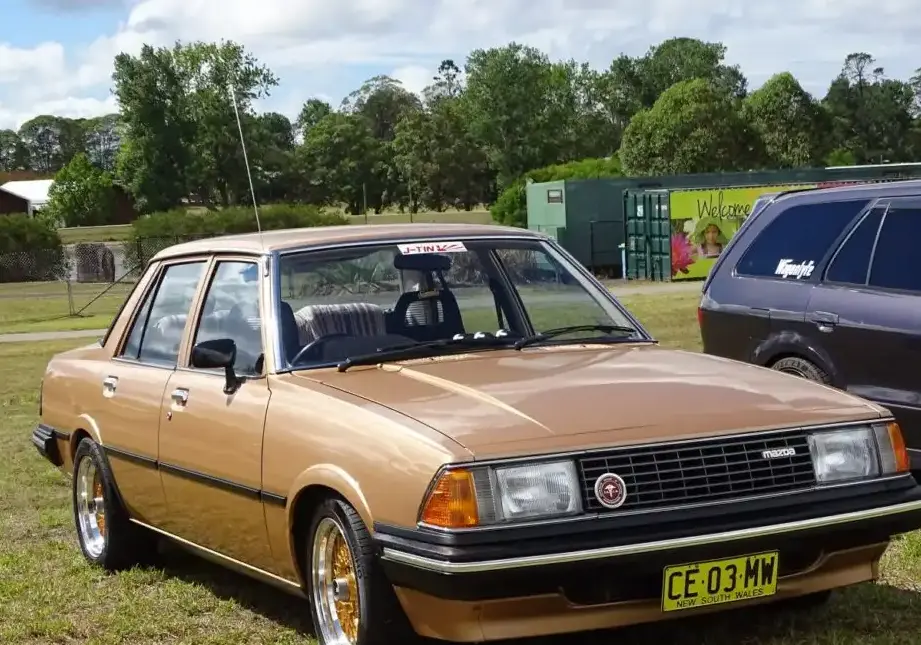
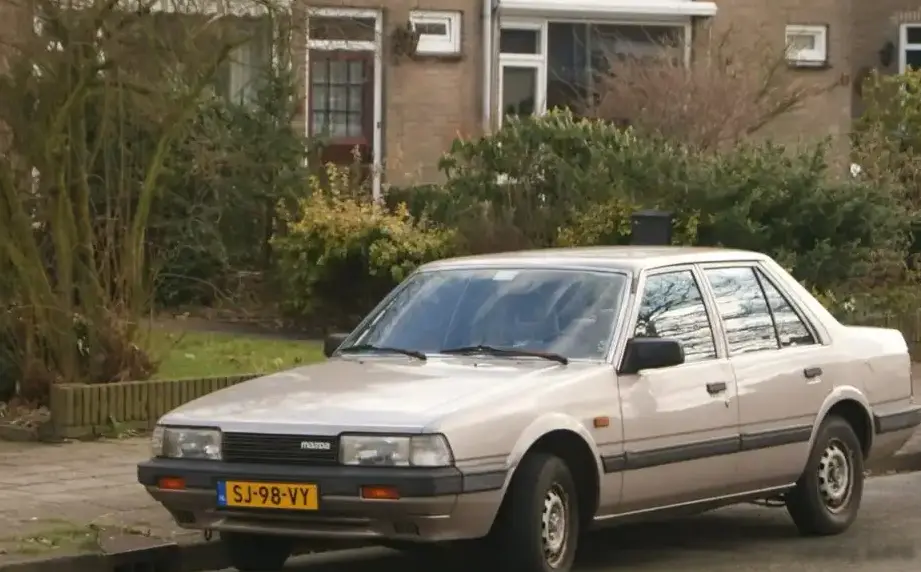
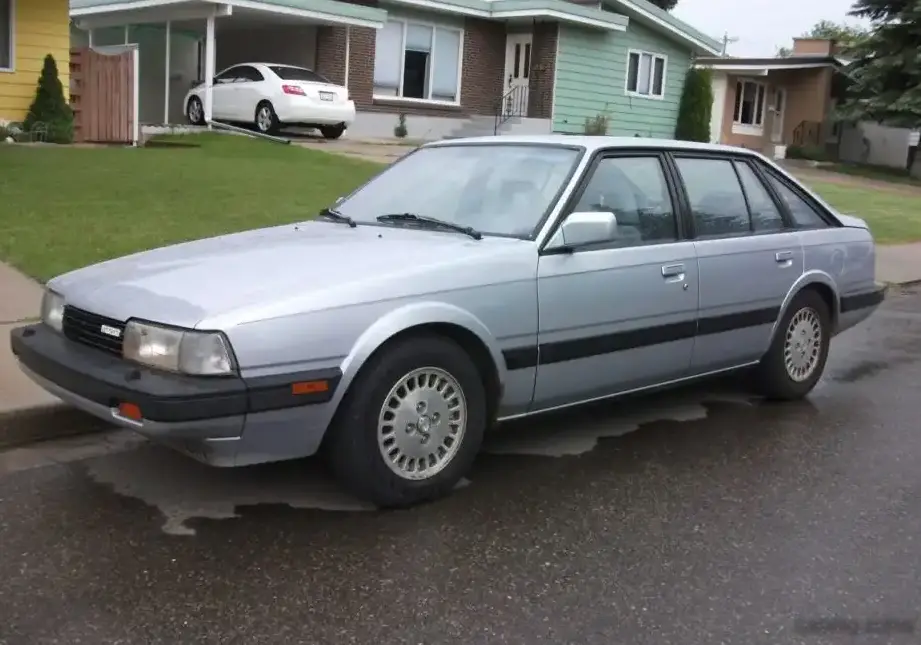
The Mazda 626 III, produced from 1987 to 1991, marked a significant step forward in Mazda’s mid-size car offerings. The ‘GD’ generation, available in hatchback, sedan, and coupe body styles, aimed to deliver a balance of practicality, comfort, and fuel economy. Within this generation, the 2.0 D variant, powered by a 60 horsepower diesel engine, occupied the entry-level position, targeting buyers prioritizing fuel efficiency. This model was primarily marketed in European and Asian countries where diesel engines were favored due to fuel costs and tax regulations. The 626 GD competed with vehicles like the Ford Sierra, Opel Ascona, and Toyota Camry, offering a distinctly Japanese approach to automotive design and engineering.
Powertrain & Engine Architecture
At the heart of the 626 2.0 D was the RF-N diesel engine, a 1.998-liter inline-four cylinder unit. This engine employed a precombustion chamber injection system, a common technology for diesel engines of the time. This system involved injecting fuel into a small precombustion chamber within the cylinder head, where it ignited and subsequently ignited the main fuel charge in the cylinder. This design contributed to smoother combustion and reduced engine noise compared to direct injection systems. The engine was naturally aspirated, meaning it didn’t utilize a turbocharger or supercharger. The RF-N engine produced 60 horsepower and approximately 99 lb-ft of torque. The engine’s relatively modest output was a deliberate trade-off for improved fuel economy and enhanced durability. The engine was exclusively paired with a five-speed manual transmission.
Driving Characteristics
The 626 2.0 D, with its 60 horsepower and five-speed manual transmission, provided a driving experience centered around efficiency rather than outright performance. Acceleration was unhurried, and overtaking maneuvers required careful consideration. The five-speed manual transmission allowed drivers to maintain the engine within its optimal power band, but the limited horsepower meant spirited driving wasn’t its strong suit. The gear ratios were relatively long, prioritizing fuel economy at cruising speeds. Compared to the gasoline-powered 626 variants, the diesel model felt noticeably slower. However, the diesel engine’s torque characteristics provided adequate pulling power for everyday driving situations, and the manual transmission offered a more engaging driving experience than an automatic transmission would have. The clutch was relatively light, making it easy to operate in city traffic.
Equipment & Trim Levels
The 2.0 D variant of the 626 GD was positioned as the entry-level model, and its standard equipment reflected this. Typical features included cloth upholstery, basic instrumentation, and manual windows and door locks. Air conditioning was often an optional extra, as were power windows and a more sophisticated audio system. The interior design was functional and straightforward, prioritizing practicality over luxury. The hatchback body style offered a degree of versatility, with the rear seats folding down to expand cargo capacity. Trim levels were relatively limited, with most variations stemming from optional packages selected by the buyer. These packages might include upgraded interior trim or additional convenience features.
Chassis & Braking
The 626 GD featured a MacPherson strut front suspension and a semi-trailing arm rear suspension. This configuration provided a reasonable compromise between ride comfort and handling. The front brakes were ventilated discs, offering adequate stopping power, while the rear brakes were solid discs. The steering was rack-and-pinion, providing precise control. The chassis was engineered to accommodate the heavier diesel engine without significantly compromising handling. Stabilizer bars were typically included as standard equipment, helping to minimize body roll during cornering. The suspension tuning was geared towards comfort, making the 626 a pleasant vehicle for long-distance cruising.
Market Reception & Comparison
The Mazda 626 2.0 D was generally well-received in markets where diesel engines were popular. Automotive critics praised its fuel economy and durability, but acknowledged its lack of performance. Compared to the gasoline-powered 626 variants, the diesel model was considerably slower, but it offered a substantial advantage in fuel efficiency. Against competitors like the Ford Sierra diesel and Opel Ascona diesel, the 626 offered a more refined driving experience and a reputation for reliability. However, the Sierra often came with a lower price tag. The 626’s styling was also often considered more modern and appealing than some of its rivals. The 626’s reputation for build quality also contributed to its positive reception.
Legacy
The RF-N diesel engine, while not renowned for its high performance, proved to be a durable and reliable powerplant. Numerous examples of the 626 2.0 D remain on the road today, a testament to its robust construction. In the used car market, these models are often sought after by enthusiasts seeking a simple, economical, and dependable classic car. Maintenance is relatively straightforward, and parts availability is generally good, although some specific components may become harder to find over time. While not a performance icon, the Mazda 626 2.0 D represents a significant chapter in Mazda’s history, demonstrating the company’s commitment to fuel efficiency and practicality in the mid-size segment. It remains a popular choice for those seeking a classic Japanese car with a focus on economy and reliability.