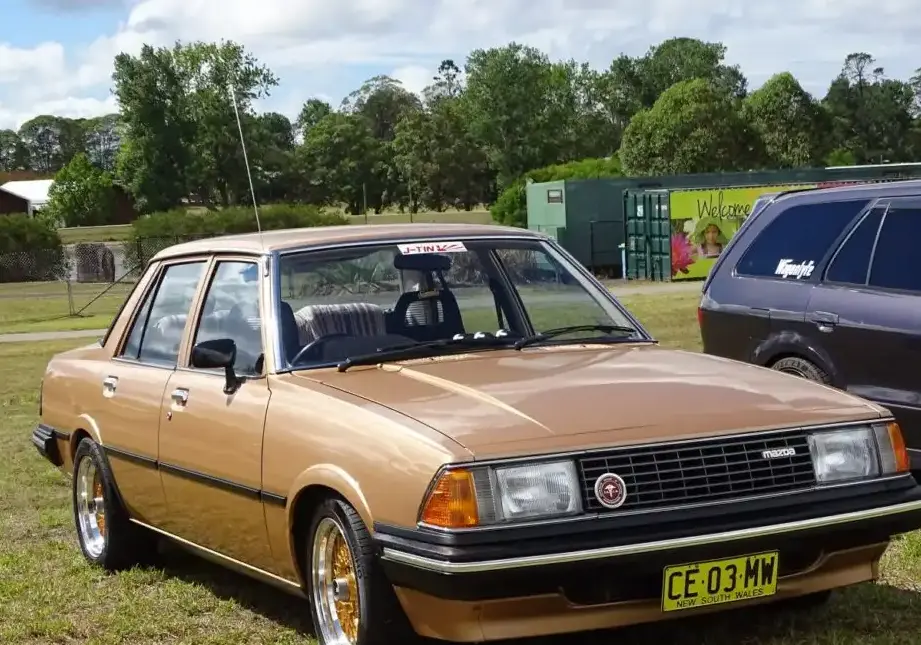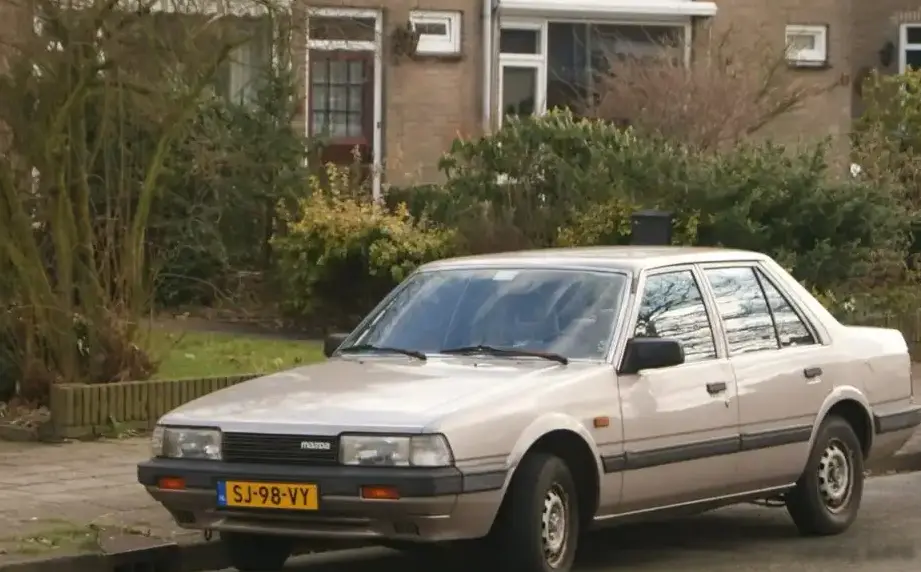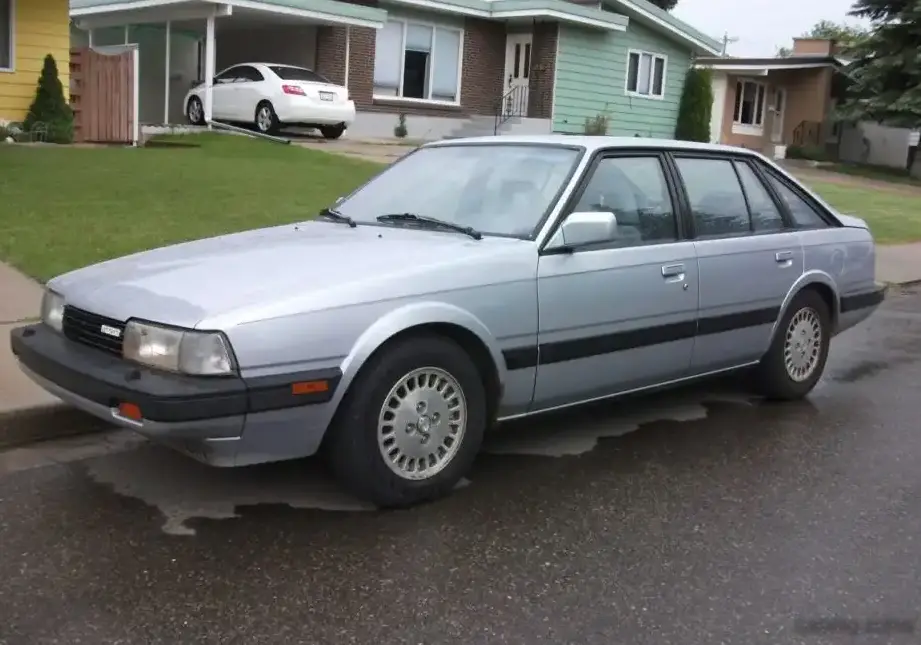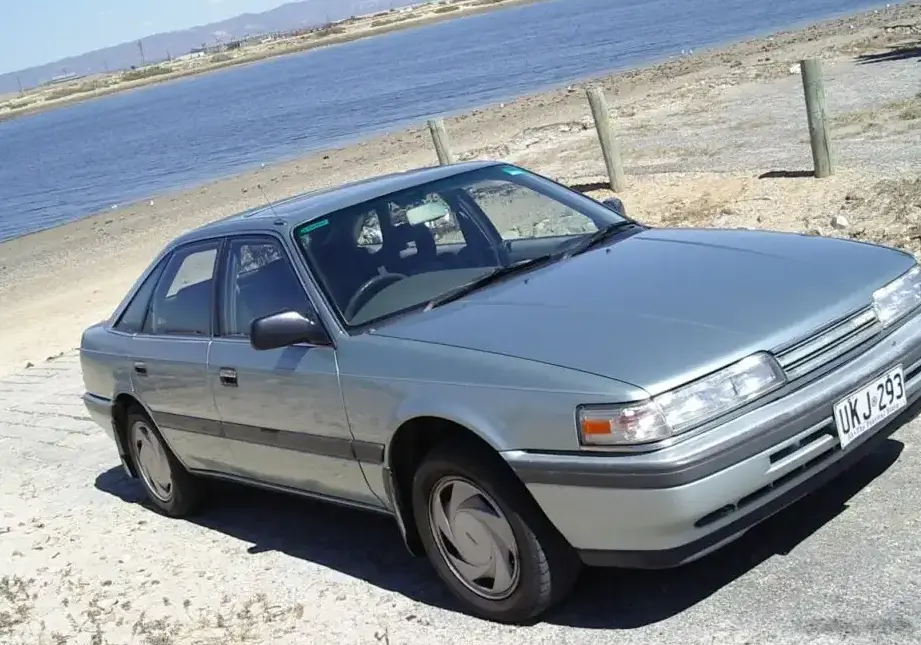
The Mazda 626 III Hatchback, specifically the GD generation produced between 1988 and 1992, represented a significant evolution in Mazda’s mid-size offerings. This variant, equipped with the 2.2-liter 12V engine producing 115 horsepower, occupied a middle ground within the 626 lineup, offering a balance between affordability, practicality, and reasonable performance. The GD generation 626 was a key model for Mazda, aiming to compete with established rivals like the Honda Accord, Toyota Camry, and Nissan Maxima in the increasingly competitive North American and European markets. The hatchback body style, while less common in the US than the sedan, provided enhanced cargo versatility, appealing to a segment of buyers prioritizing functionality.
Technical Specifications
| Brand | Mazda |
| Model | 626 |
| Generation | 626 III Hatchback (GD) |
| Type (Engine) | 2.2 12V (115 Hp) |
| Start of production | 1988 |
| End of production | 1992 |
| Powertrain Architecture | Internal Combustion Engine |
| Body type | Hatchback |
| Fuel Type | Petrol (Gasoline) |
| Power | 115 Hp |
| Engine Aspiration | Naturally Aspirated |
Powertrain & Engine Architecture
The heart of this 626 variant is the Mazda F2 2.2-liter inline-four cylinder engine. This engine, designated as the G22E, features a single overhead camshaft (SOHC) design operating 12 valves – three valves per cylinder (two intake, one exhaust). The engine utilizes a cast iron block and an aluminum cylinder head, a common construction for the era balancing durability and weight. Fuel delivery is managed by a multi-point fuel injection system, a significant upgrade from the carburetors found in earlier 626 models, contributing to improved fuel efficiency and reduced emissions. The 12V configuration, while simpler than later DOHC Mazda engines, provided adequate power for everyday driving. The engine’s torque output was approximately 135 lb-ft, delivered at around 3,500 rpm. The transmission paired with this engine was typically a four-speed automatic, although a five-speed manual transmission was also available. The automatic transmission, while offering convenience, was not known for its particularly sporty performance or fuel efficiency compared to the manual option.
Driving Characteristics
The 115 horsepower and 135 lb-ft of torque offered by the 2.2-liter engine in the 626 Hatchback provided adequate, but not exhilarating, performance. Acceleration from 0 to 60 mph was estimated to be around 10-11 seconds, placing it behind some of its more powerful competitors. The four-speed automatic transmission contributed to a relatively smooth driving experience, but its gear ratios were spaced to prioritize fuel economy over rapid acceleration. In real-world driving, the 626 felt comfortable and composed on the highway, with sufficient power for merging and overtaking. However, when fully loaded with passengers and cargo, the engine could feel strained, particularly when climbing hills. Compared to the later 626 models equipped with the 2.5-liter V6 engine, this 2.2-liter version felt noticeably less powerful. The manual transmission version offered a more engaging driving experience and slightly improved fuel economy, but the automatic was favored by many buyers for its ease of use.
Equipment & Trim Levels
The 1988-1992 Mazda 626 III Hatchback with the 2.2-liter engine typically came in a mid-range trim level. Standard features generally included power steering, cloth upholstery, an AM/FM stereo, and basic instrumentation. Air conditioning was often standard, but could be optional depending on the specific package. Higher trim levels, such as the LX, added features like power windows, power door locks, cruise control, and upgraded audio systems. Interior upholstery in the base models was typically a durable, patterned cloth, while higher trims featured more luxurious materials. The dashboard layout was functional and straightforward, with easy-to-read gauges. Optional extras included a sunroof, alloy wheels, and upgraded sound systems. The hatchback configuration itself was a key feature, offering a large cargo area accessible through the rear liftgate, making it a practical choice for families and those needing to transport larger items.
Chassis & Braking
The Mazda 626 III Hatchback utilized a front-engine, front-wheel-drive layout. The suspension consisted of MacPherson struts in the front and a semi-independent torsion beam setup in the rear. This suspension configuration provided a comfortable ride quality, although it wasn’t particularly sporty. Braking systems varied depending on the trim level. Base models typically featured drum brakes in the rear, while higher trims were equipped with disc brakes all around. Front brakes were typically ventilated discs. Power-assisted steering was standard. Stabilizer bars were included both front and rear, helping to reduce body roll during cornering. The chassis was relatively lightweight, contributing to the car’s overall agility. Tire sizes were typically 185/65R14 or 195/60R15, depending on the trim level and optional equipment.
Market Reception & Comparison
The Mazda 626 III Hatchback 2.2L received generally positive reviews from automotive critics. It was praised for its comfortable ride, spacious interior, and practical hatchback design. However, some critics noted that the 2.2-liter engine felt underpowered compared to some of its competitors, particularly the V6-powered versions of the Honda Accord and Toyota Camry. Fuel economy was considered average for the time, typically ranging from 20-25 mpg in combined driving. Reliability was generally good, although some owners reported minor issues with the fuel injection system and automatic transmission. Compared to the 626 models equipped with the 2.5-liter V6, the 2.2-liter version was more affordable and fuel-efficient, but offered less performance. The manual transmission version was favored by enthusiasts for its more engaging driving experience.
Legacy
The Mazda 626 III Hatchback 2.2L, while not the most powerful or technologically advanced car of its era, remains a fondly remembered vehicle for many owners. The F2 engine, while simple in design, proved to be relatively durable and reliable when properly maintained. Today, these cars are becoming increasingly rare, and well-maintained examples are sought after by collectors and enthusiasts. The automatic transmission, while not known for its longevity, can be rebuilt if necessary. Parts availability is becoming more challenging, but many common components are still available through aftermarket suppliers. The 626 III Hatchback represents a significant chapter in Mazda’s history, showcasing the company’s commitment to building practical, reliable, and affordable vehicles. Its blend of comfort, practicality, and reasonable performance continues to appeal to those seeking a classic 1980s/early 1990s hatchback.