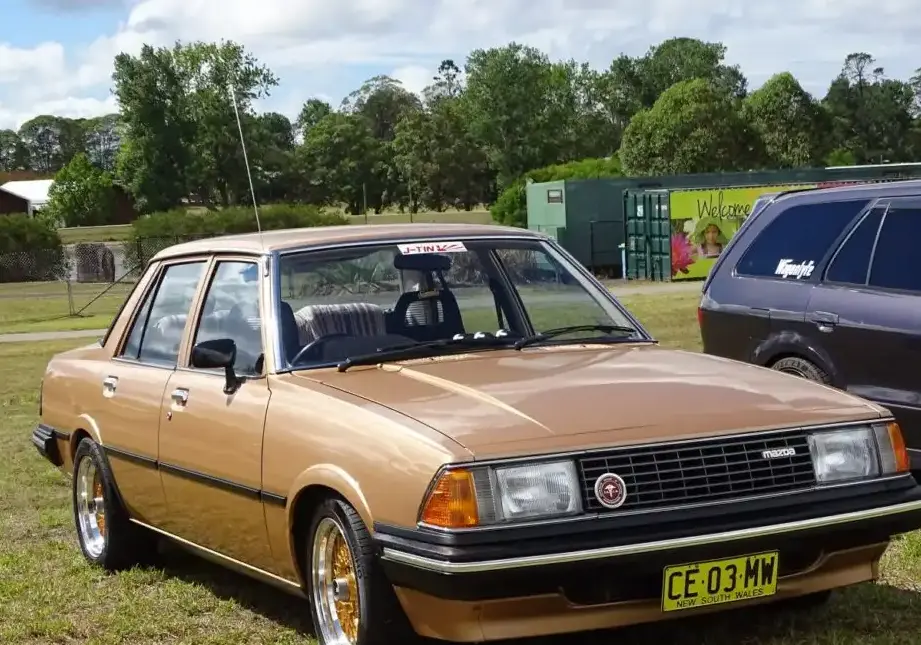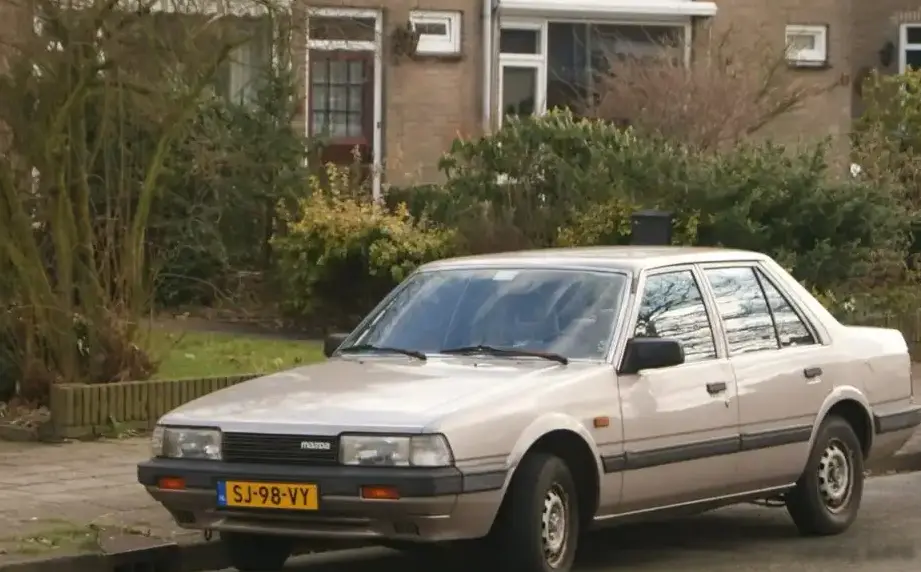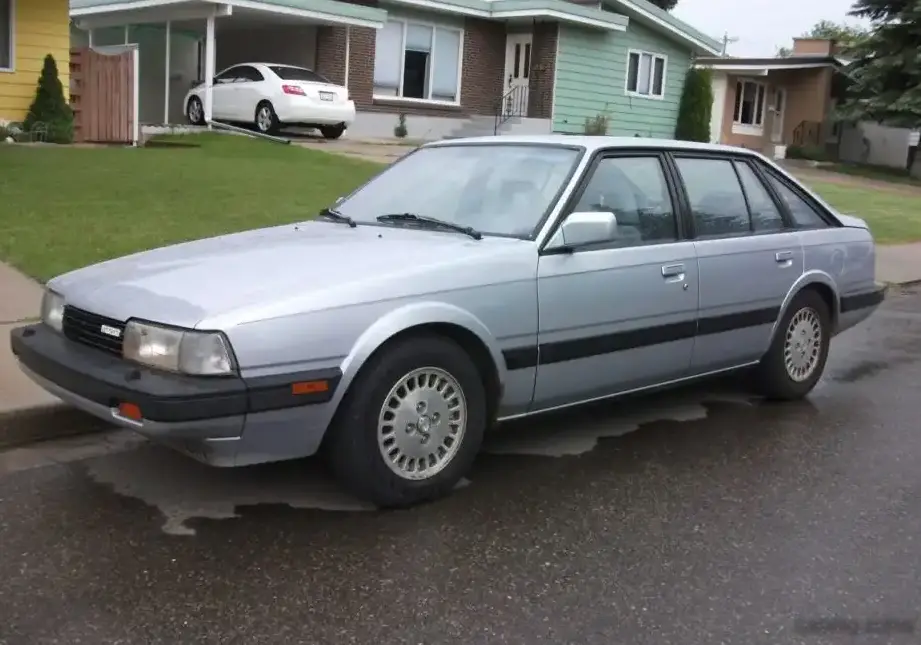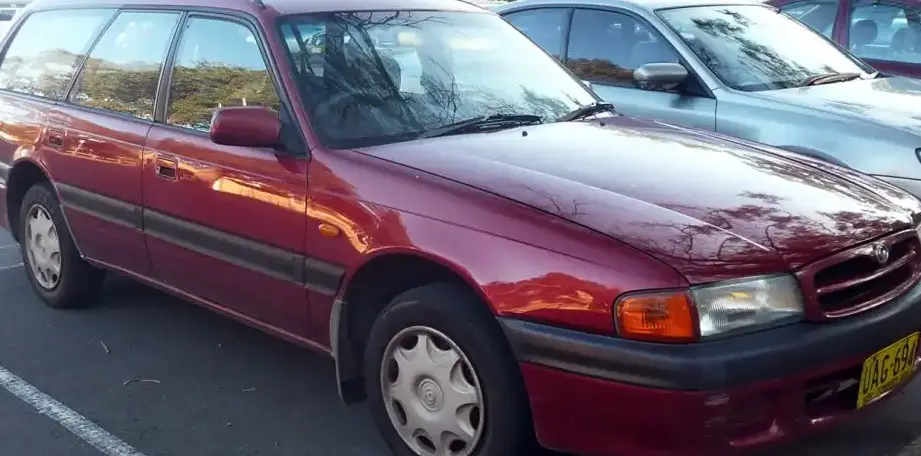
The Mazda 626 III Station Wagon (GV) 2.0 16V, produced between 1988 and 1992, represented a significant evolution in Mazda’s family car offerings. Part of the third generation (GV) of the 626, this station wagon variant aimed to provide practicality and a more refined driving experience compared to its predecessors. It was positioned as a versatile vehicle appealing to families and those needing ample cargo space, competing with other mid-size wagons from Japanese and European manufacturers. The 2.0-liter 16-valve engine was a key upgrade within the GV lineup, offering a balance of performance and fuel efficiency. This model played a crucial role in establishing Mazda’s reputation for reliability and build quality in the North American and European markets.
Technical Specifications
| Brand | Mazda |
| Model | 626 |
| Generation | 626 III Station Wagon (GV) |
| Type (Engine) | 2.0 16V (140 Hp) |
| Start of production | 1988 |
| End of production | 1992 |
| Powertrain Architecture | Internal Combustion engine |
| Body type | Station wagon (estate) |
| Fuel Type | Petrol (Gasoline) |
| Power | 140 Hp |
| Engine aspiration | Naturally aspirated engine |
Powertrain & Engine Architecture
The heart of the 626 III Station Wagon 2.0 16V is the F2 engine, a 1998cc inline-four cylinder gasoline engine. This engine featured a cast iron block and an aluminum cylinder head, a common configuration for the era aiming to balance durability and weight. The 16-valve cylinder head, with dual overhead camshafts (DOHC), was a significant upgrade from earlier 626 models, allowing for improved breathing and higher engine speeds. Fuel delivery was managed by a multi-point fuel injection system, contributing to better fuel economy and reduced emissions compared to carbureted engines. The engine produced 140 horsepower at 6000 rpm and approximately 135 lb-ft of torque at 4500 rpm. The engine’s design prioritized smooth operation and reliability, making it a relatively easy unit to maintain. The transmission paired with this engine was typically a four-speed automatic, although a five-speed manual transmission was also available. The automatic transmission was designed for comfortable cruising and ease of use, rather than outright performance.
Driving Characteristics
The 626 III Station Wagon 2.0 16V with the automatic transmission offered a comfortable and predictable driving experience. Acceleration was adequate for everyday driving, with a 0-60 mph time estimated around 10-11 seconds. While not a sports car, the 140 hp engine provided sufficient power for highway merging and overtaking. The automatic transmission featured relatively conservative gear ratios, prioritizing fuel economy over rapid acceleration. Compared to the manual transmission version, the automatic offered less driver engagement but greater convenience. The suspension, consisting of MacPherson struts in the front and a semi-independent torsion beam rear suspension, provided a comfortable ride, absorbing bumps and imperfections in the road reasonably well. Steering was light and precise, making the car easy to maneuver in urban environments. The wagon’s increased weight compared to the sedan version did slightly impact handling, but the overall driving experience remained balanced and enjoyable.
Equipment & Trim Levels
The 626 III Station Wagon 2.0 16V typically came equipped with a range of features considered standard for a mid-size family car in the late 1980s and early 1990s. Base models included features like power steering, cloth upholstery, an AM/FM radio, and manual windows and locks. Higher trim levels, often designated as “LX” or “SE”, added features such as power windows and locks, cruise control, upgraded audio systems, and alloy wheels. Interior upholstery was typically a durable cloth material in a variety of colors. The dashboard layout was functional and straightforward, with clearly labeled controls. Optional extras included a sunroof, air conditioning, and upgraded sound systems. Safety features were relatively basic by modern standards, typically including seatbelts and a collapsible steering column.
Chassis & Braking
The 626 III Station Wagon utilized a unibody construction, providing a good balance of strength and weight. The front suspension featured MacPherson struts, coil springs, and an anti-roll bar, while the rear suspension employed a semi-independent torsion beam setup. Braking systems varied depending on the trim level and market. Base models typically featured disc brakes in the front and drum brakes in the rear. Higher trim levels often included disc brakes on all four wheels, providing improved stopping power. The braking system was hydraulically assisted, offering a reasonable level of performance for everyday driving. Steering was rack-and-pinion, providing precise and responsive handling. The wagon’s longer wheelbase compared to the sedan contributed to a more stable ride.
Market Reception & Comparison
The Mazda 626 III Station Wagon 2.0 16V was generally well-received by automotive critics. It was praised for its spacious interior, comfortable ride, and reliable engine. Compared to other station wagons in its class, such as the Toyota Camry Wagon and the Honda Accord Wagon, the 626 offered a more engaging driving experience and a slightly more stylish design. The 2.0-liter 16-valve engine provided a good balance of performance and fuel economy, although it wasn’t as powerful as some of the larger V6 engines offered in competing models. Fuel economy was typically around 22-26 mpg in combined driving. Reliability was a strong point for the 626, with the F2 engine proving to be a durable and long-lasting unit. However, some owners reported issues with rust, particularly in areas with harsh winters. Compared to the lower-powered 1.6L engine option, the 2.0L offered a noticeable performance improvement, justifying the higher price point.
Legacy
The Mazda 626 III Station Wagon 2.0 16V has maintained a relatively good reputation for reliability in the used car market. The F2 engine is known for its durability, and parts availability remains reasonable. However, as with any older vehicle, regular maintenance is crucial to ensure continued reliability. Rust can be a concern, particularly in vehicles that have been exposed to harsh weather conditions. Today, these wagons are becoming increasingly collectible, appealing to enthusiasts who appreciate their classic styling and practical features. The 626 III Station Wagon 2.0 16V represents a significant chapter in Mazda’s history, showcasing the company’s commitment to building reliable, well-equipped, and enjoyable-to-drive family cars. The combination of the 16-valve engine and automatic transmission provided a comfortable and practical option for families seeking a versatile vehicle.