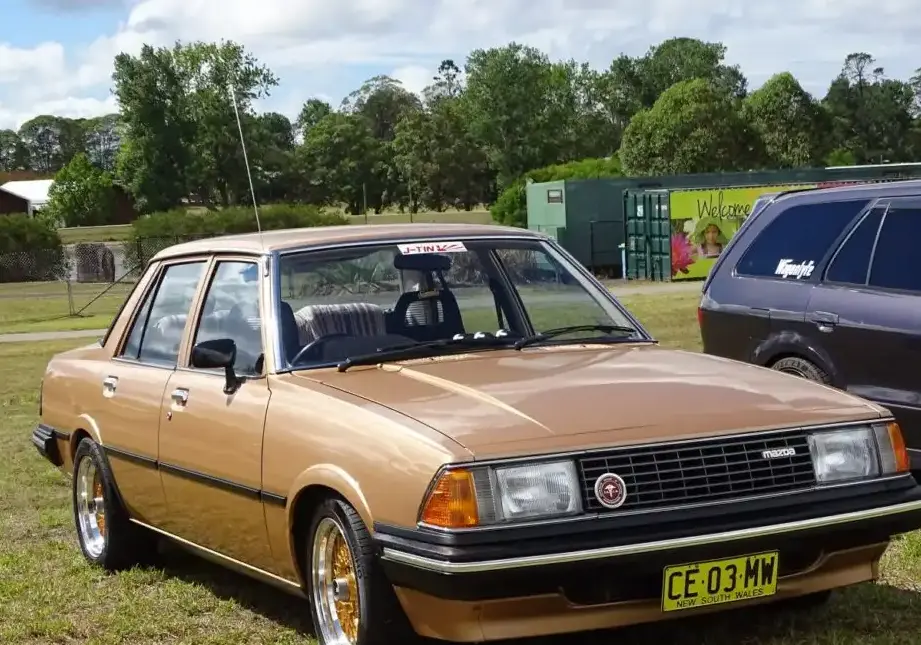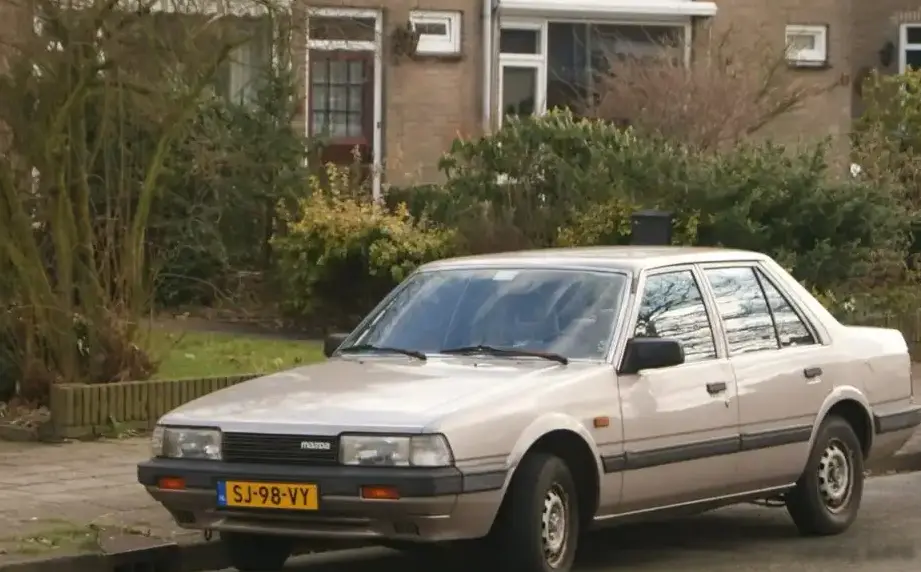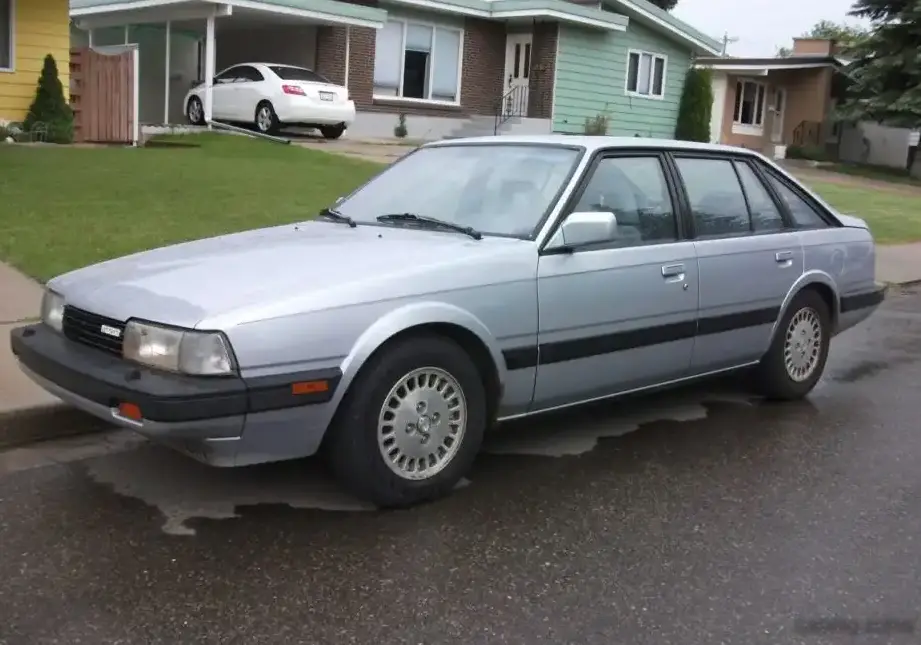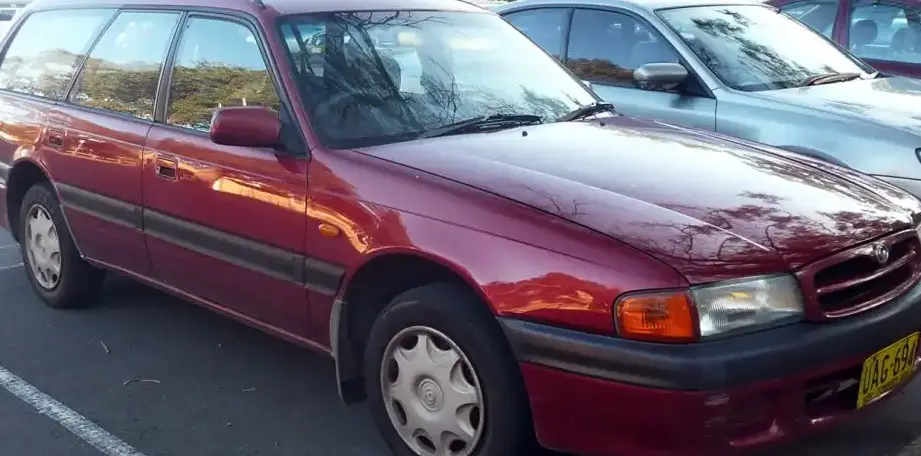
The Mazda 626 III Station Wagon (GV) 2.0 D, produced between 1988 and 1991, represented Mazda’s entry into the increasingly popular European station wagon market. Part of the third generation (GV) 626 lineup, this variant offered a practical and economical option for families and those requiring substantial cargo space. While the 626 was sold in North America, the station wagon body style was primarily aimed at the European market, where demand for such vehicles was significantly higher. This 2.0-liter diesel model occupied the lower end of the 626 GV range, prioritizing fuel efficiency and affordability over outright performance. It served as a workhorse variant, appealing to buyers seeking a reliable and spacious vehicle for everyday use.
Technical Specifications
| Brand | Mazda |
| Model | 626 |
| Generation | 626 III Station Wagon (GV) |
| Type (Engine) | 2.0 D (60 Hp) |
| Start of production | 1988 |
| End of production | 1991 |
| Powertrain Architecture | Internal Combustion engine |
| Body type | Station wagon (estate) |
| Fuel Type | Diesel |
| Power | 60 Hp |
| Engine Model/Code | RF-N |
| Engine aspiration | Naturally aspirated engine |
| Engine oil capacity | 5.5 l (5.81 US qt | 4.84 UK qt) |
| Coolant capacity | 9.5 l (10.04 US qt | 8.36 UK qt) |
Powertrain & Engine Architecture
The heart of the 626 III Station Wagon 2.0 D was the RF-N engine, a 1998cc inline-four cylinder diesel. This engine was a naturally aspirated, indirect injection diesel, common for the era. Indirect injection, while quieter than direct injection, generally resulted in lower power output and slightly reduced fuel efficiency. The RF-N featured a cast iron block and an aluminum cylinder head, a typical construction for diesel engines of the time. The engine utilized a Bosch mechanical fuel injection pump, delivering fuel to the pre-chamber combustion system. Valve actuation was managed by a single overhead camshaft (SOHC) operating two valves per cylinder. The engine’s relatively low compression ratio, typical for indirect injection diesels, contributed to its smoother operation but also limited its power potential. While specific transmission details varied by market, the 2.0 D was typically paired with a four-speed automatic transmission. This automatic was chosen to provide ease of use, appealing to a broader customer base, but at the expense of performance and fuel economy compared to the available manual transmission.
Driving Characteristics
The 60 horsepower output of the RF-N engine, coupled with the four-speed automatic transmission, resulted in modest performance. Acceleration was leisurely, and overtaking required careful planning. The automatic transmission’s gear ratios were geared towards fuel economy rather than spirited driving. The engine produced a peak torque of approximately 88 lb-ft, available at a relatively low engine speed, which provided adequate pulling power for everyday driving and hauling loads. However, the engine could feel strained when fully loaded or climbing steep hills. Compared to the gasoline-powered 626 variants, the 2.0 D was significantly slower. The manual transmission versions of the 2.0 D offered improved responsiveness and fuel economy, but the automatic prioritized convenience. The suspension, tuned for comfort, provided a reasonably smooth ride, absorbing bumps and imperfections in the road surface effectively. However, this comfort came at the cost of handling precision; the 626 2.0 D wasn’t designed for aggressive cornering.
Equipment & Trim Levels
The 2.0 D station wagon typically represented the entry-level trim within the 626 GV range. Standard equipment generally included cloth upholstery, basic instrumentation (speedometer, fuel gauge, temperature gauge), and manual windows and door locks. Power steering was often included, but air conditioning was typically an optional extra. The dashboard layout was functional and straightforward, prioritizing usability over aesthetics. Optional extras could include a radio/cassette player, upgraded interior trim, and, in some markets, central locking. The exterior trim was relatively basic, with black plastic bumpers and side moldings. Wheel covers were often standard, with alloy wheels available as an optional upgrade. The focus was on providing a practical and affordable vehicle, so luxury features were kept to a minimum.
Chassis & Braking
The 626 III Station Wagon utilized a MacPherson strut front suspension and a semi-trailing arm rear suspension. This configuration provided a good balance between ride comfort and handling. The front suspension incorporated a stabilizer bar to reduce body roll during cornering. The rear suspension, while simpler, offered adequate stability for everyday driving. Braking systems varied depending on the market. Lower-spec models, like the 2.0 D, typically featured disc brakes on the front wheels and drum brakes on the rear wheels. Higher-spec models often had disc brakes all around. The braking system was hydraulically assisted, providing adequate stopping power for the vehicle’s weight and performance. Steering was typically rack-and-pinion, offering reasonable precision and feedback.
Market Reception & Comparison
The Mazda 626 III Station Wagon 2.0 D was generally well-received in Europe as a practical and economical family vehicle. Critics praised its spacious interior, large cargo capacity, and fuel efficiency. However, the engine’s lack of power was a common criticism. Compared to other diesel station wagons of the time, such as the Ford Sierra Estate or the Volkswagen Passat Variant, the 626 2.0 D offered a competitive level of equipment and a comfortable ride. Fuel economy was comparable to its rivals, typically achieving around 35-40 mpg. Reliability was generally good, although the indirect injection diesel system could require occasional maintenance. The 2.0 D was positioned as a more affordable alternative to the gasoline-powered 626 variants, appealing to buyers who prioritized economy over performance.
Legacy
The Mazda 626 III Station Wagon 2.0 D, while not a performance icon, remains a fondly remembered vehicle for many European drivers. The RF-N diesel engine, while relatively simple, proved to be reasonably durable and reliable, provided it was properly maintained. Today, these vehicles are relatively rare, and well-maintained examples are sought after by enthusiasts and collectors. The 626 GV 2.0 D represents a significant chapter in Mazda’s history, demonstrating the company’s commitment to providing practical and affordable vehicles for the European market. The powertrain, while dated by modern standards, offers a unique driving experience and a glimpse into the automotive technology of the late 1980s and early 1990s. Finding parts can be challenging, but a dedicated community of Mazda enthusiasts continues to support these classic vehicles.