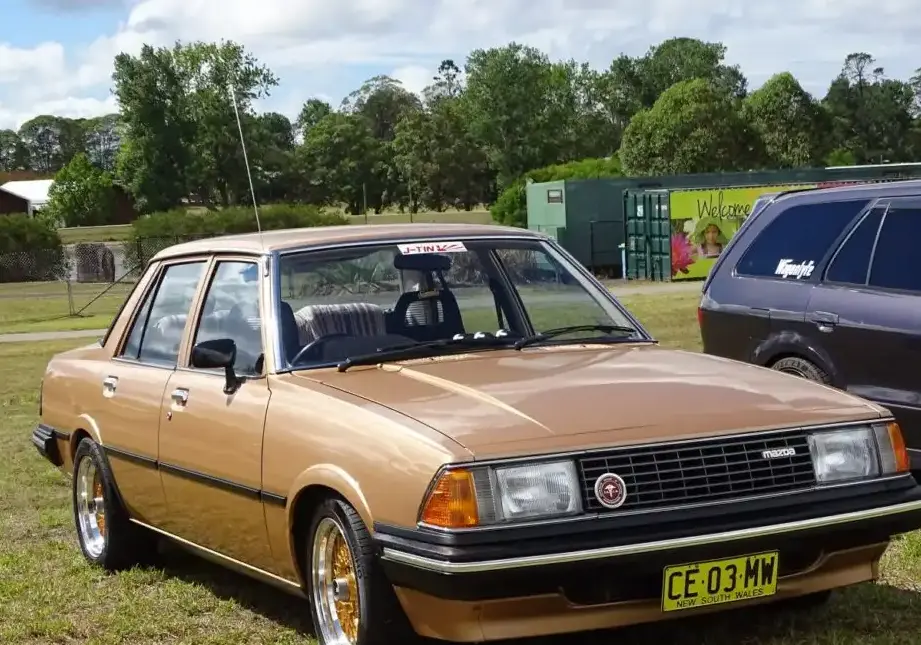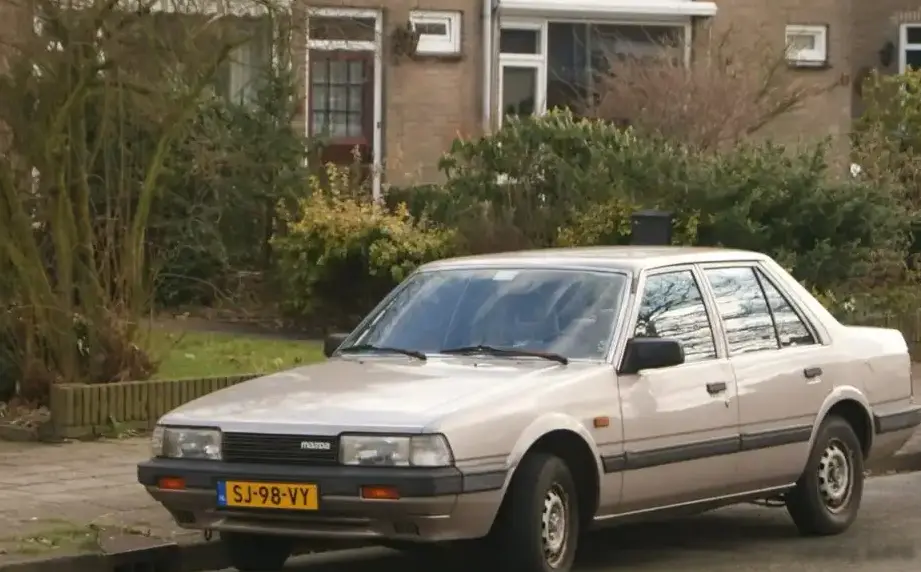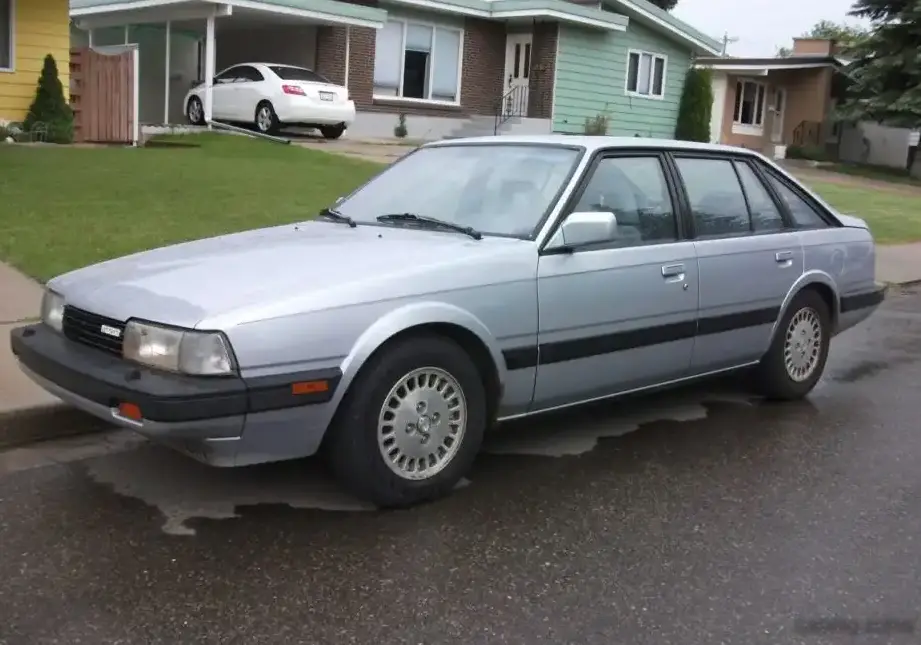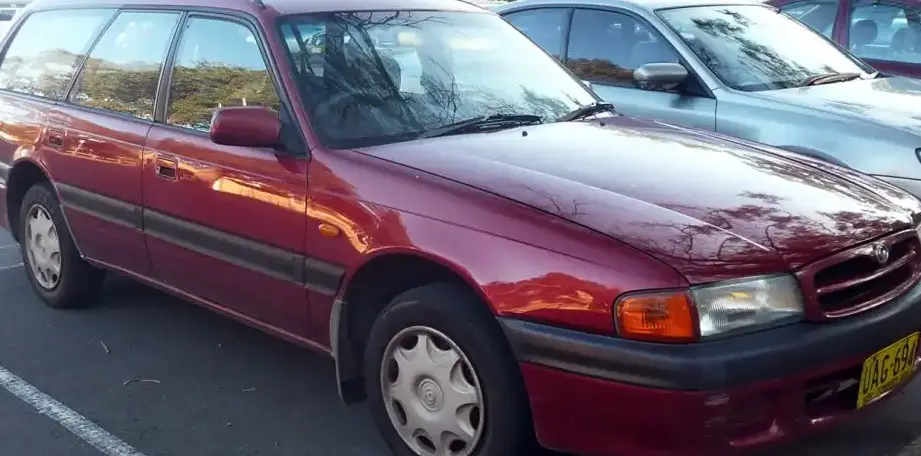
The Mazda 626 III Station Wagon, specifically the GV variant equipped with the 2.0 D Comprex engine producing 75 horsepower, was a practical and economical offering within the broader Mazda 626 lineup produced between 1993 and 1996. Positioned as an entry-level to mid-range option, this variant catered to buyers prioritizing fuel efficiency and cargo space over outright performance. The GV generation of the 626 represented Mazda’s continued effort to compete in the crowded mid-size family car segment, offering a station wagon body style that remained popular in European and other international markets where practicality was highly valued. This model aimed to provide a balance between affordability, reliability, and the versatility expected of a family vehicle.
Technical Specifications
| Brand | Mazda |
| Model | 626 |
| Generation | 626 III Station Wagon (GV) |
| Type (Engine) | 2.0 D Comprex (75 Hp) |
| Start of production | 1993 |
| End of production | 1996 |
| Powertrain Architecture | Internal Combustion engine |
| Body type | Station wagon (estate) |
| Fuel Type | Diesel |
| Power | 75 Hp |
| Engine Model/Code | RF-CX |
| Engine aspiration | Naturally aspirated engine |
| Engine oil capacity | 5.5 l (5.81 US qt | 4.84 UK qt) |
| Coolant capacity | 9.5 l (10.04 US qt | 8.36 UK qt) |
Powertrain & Engine Architecture
The heart of the 626 III Station Wagon 2.0 D Comprex is the RF-CX engine, a 1998cc inline-four cylinder diesel. This engine utilizes indirect fuel injection, a common characteristic of diesel engines of that era, and features a naturally aspirated design. The “Comprex” designation refers to Mazda’s proprietary swirl combustion system, designed to improve combustion efficiency and reduce emissions. This system introduces a swirling motion to the intake air, promoting better mixing with the fuel and resulting in a more complete burn. The RF-CX engine is known for its relatively simple mechanical design, contributing to its durability and ease of maintenance. While not a powerhouse, the engine delivered a respectable 75 horsepower and approximately 128 lb-ft of torque. The engine’s torque curve was relatively flat, providing usable power across a broad RPM range, which was particularly beneficial for a wagon intended for hauling loads. The transmission paired with this engine was typically a five-speed manual or a four-speed automatic, with the automatic being a popular choice for drivers prioritizing convenience.
Driving Characteristics
The 626 III Station Wagon 2.0 D Comprex, particularly when equipped with the four-speed automatic transmission, offered a comfortable but unhurried driving experience. Acceleration was modest, with 0-60 mph times estimated to be around 13-15 seconds. The automatic transmission’s gear ratios were geared towards fuel economy rather than performance, resulting in a noticeable delay during kickdown. However, the engine’s torque allowed for relatively effortless cruising at highway speeds. The suspension, tuned for comfort, absorbed bumps and imperfections in the road well, providing a stable and predictable ride. Compared to the gasoline-powered versions of the 626, the diesel variant felt heavier and less responsive, but it compensated with significantly better fuel economy. The manual transmission version offered a more engaging driving experience, allowing drivers to better utilize the engine’s torque and achieve slightly quicker acceleration.
Equipment & Trim Levels
The 2.0 D Comprex trim of the Mazda 626 III Station Wagon typically included features considered standard for a mid-range family car in the early 1990s. These included power steering, central locking, and basic instrumentation. Interior upholstery was typically cloth, with a durable and practical design. Air conditioning was often an optional extra, as were power windows and a radio/cassette player. Higher trim levels within the 626 range offered features such as alloy wheels, upgraded audio systems, and more luxurious interior appointments. The GV variant, being positioned as a more economical option, generally featured a simpler interior and fewer convenience features compared to its more upscale siblings. Safety features were relatively basic, consisting primarily of seatbelts and a collapsible steering column.
Chassis & Braking
The 626 III Station Wagon utilized a MacPherson strut front suspension and a multi-link rear suspension, providing a good balance between ride comfort and handling. The chassis was relatively lightweight, contributing to the car’s fuel efficiency. Braking systems varied depending on the market and trim level. Lower-spec models, like the 2.0 D Comprex, typically featured disc brakes on the front wheels and drum brakes on the rear. Higher trim levels often included disc brakes on all four wheels. Anti-lock braking systems (ABS) were available as an option, but not standard equipment on the base models. The steering was a rack-and-pinion system, providing precise and responsive handling. Stabilizer bars were fitted to both the front and rear axles to reduce body roll during cornering.
Market Reception & Comparison
The Mazda 626 III Station Wagon 2.0 D Comprex was generally well-received in European and other international markets where diesel-powered station wagons were popular. Critics praised its fuel efficiency, spacious interior, and comfortable ride. However, the engine’s lack of power was a common criticism, particularly when compared to the gasoline-powered versions of the 626. Compared to competitors such as the Ford Mondeo, Opel Vectra, and Volkswagen Passat, the 626 offered a competitive package in terms of price, features, and reliability. The diesel engine provided a significant advantage in fuel economy, making it an attractive option for drivers covering long distances. However, the diesel engine was also perceived as being noisier and less refined than the gasoline engines offered by competitors.
Legacy
The Mazda 626 III Station Wagon 2.0 D Comprex, while not a performance icon, has proven to be a durable and reliable vehicle. The RF-CX engine, despite its age, is known for its longevity and relatively simple maintenance requirements. In the used car market, these wagons are often sought after by buyers looking for an affordable and practical vehicle. Parts availability can be a challenge, but many components are still available through aftermarket suppliers. The 626 III Station Wagon represents a significant chapter in Mazda’s history, demonstrating the company’s commitment to producing well-rounded and dependable family cars. The 2.0 D Comprex variant, in particular, remains a testament to the enduring appeal of diesel-powered station wagons for those prioritizing fuel efficiency and practicality.