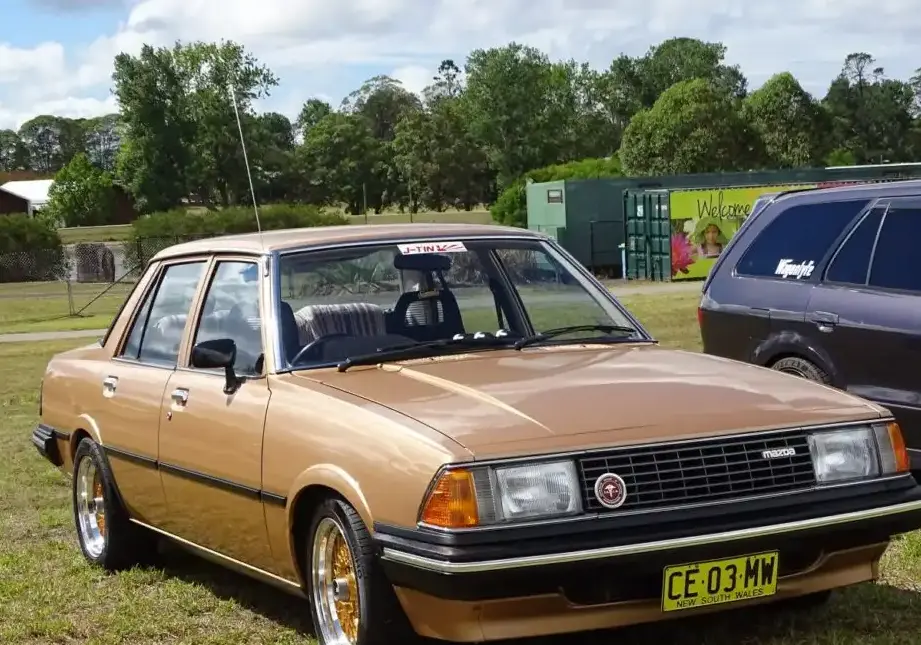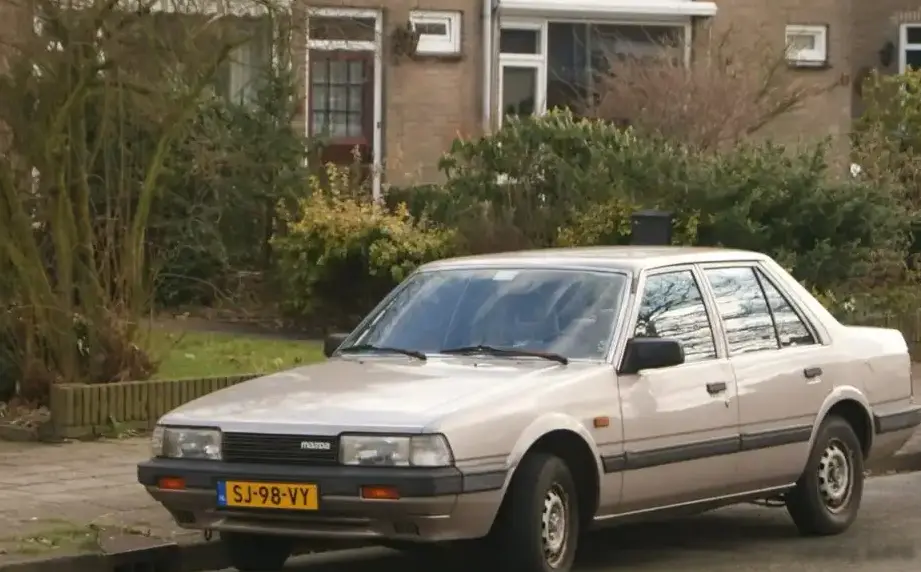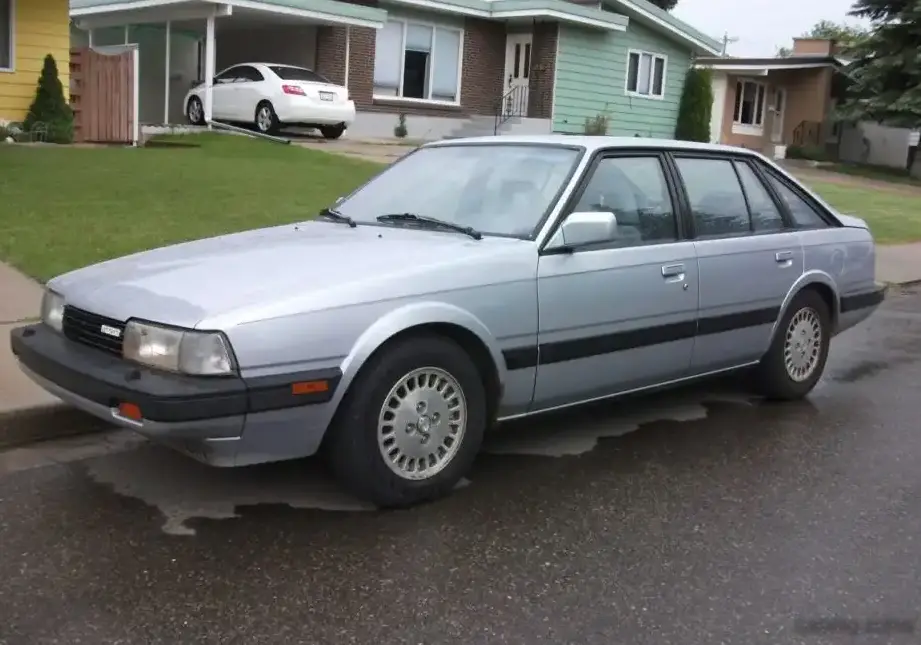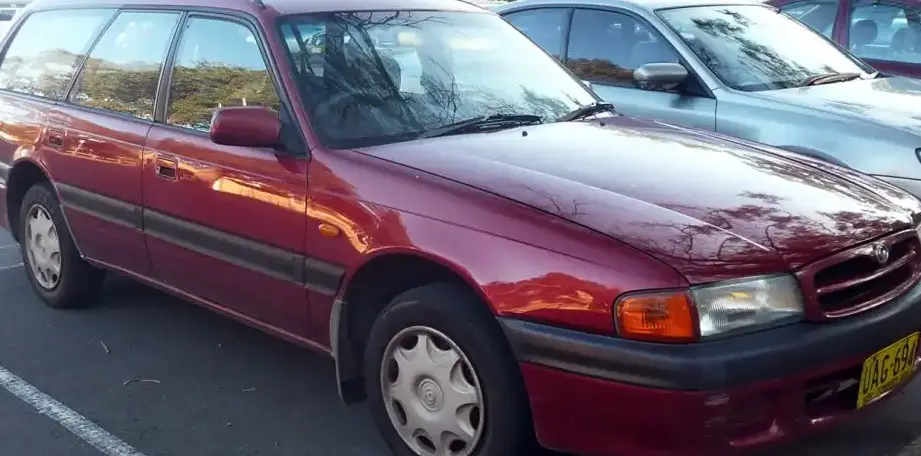
The Mazda 626 III Station Wagon (GV) 2.2 12V, produced from 1989 to 1990, represents a significant iteration of Mazda’s popular family car. This variant, part of the broader GV generation of the 626, offered a practical and relatively affordable option for buyers seeking a spacious and reliable station wagon. Positioned as a mid-range offering within the 626 lineup, it slotted between the base model engines and the more powerful, often carbureted, options available in certain markets. The GV generation itself was a crucial model for Mazda, building upon the success of its predecessors and establishing a reputation for quality and dependability, particularly in North America and Europe.
Technical Specifications
| Brand | Mazda |
| Model | 626 |
| Generation | 626 III Station Wagon (GV) |
| Type (Engine) | 2.2 12V (115 Hp) |
| Start of production | 1989 |
| End of production | 1990 |
| Powertrain Architecture | Internal Combustion engine |
| Body type | Station wagon (estate) |
| Fuel Type | Petrol (Gasoline) |
| Power | 115 Hp |
| Engine aspiration | Naturally aspirated engine |
Powertrain & Engine Architecture
The heart of the 626 III Station Wagon 2.2 12V is the Mazda F2 engine, a 2.2-liter inline-four cylinder powerplant. This engine, designated as the F2, featured a single overhead camshaft (SOHC) design operating 12 valves – three valves per cylinder (two intake, one exhaust). It was a naturally aspirated engine, meaning it did not utilize a turbocharger or supercharger to force air into the cylinders. Fuel delivery was managed by a multi-point fuel injection system, a significant upgrade over the carbureted engines found in earlier 626 models and some contemporary trims. This injection system contributed to improved fuel efficiency and smoother engine operation. The engine produced 115 horsepower at approximately 5,200 rpm and 136 lb-ft of torque at 3,000 rpm. The engine block was constructed from cast iron, providing durability, while the cylinder head was made of aluminum alloy, helping to reduce weight. The transmission paired with this engine was typically a four-speed automatic, although a five-speed manual transmission was also available in some markets. The automatic transmission was designed for smooth, comfortable shifts, prioritizing ease of use over outright performance.
Driving Characteristics
The 626 III Station Wagon 2.2 12V with the automatic transmission offered a comfortable and predictable driving experience. Acceleration was adequate for everyday driving, but not particularly sporty. The 0-60 mph time was estimated to be around 11-12 seconds, placing it behind the more powerful engine options. The automatic transmission’s gear ratios were tuned for fuel economy and smooth cruising, rather than aggressive acceleration. The engine delivered its peak torque at a relatively low rpm, providing sufficient power for merging onto highways and passing other vehicles, although it required the transmission to downshift in many situations. Compared to the manual transmission version, the automatic resulted in a slight decrease in fuel economy and a less engaging driving experience. Handling was typical for a station wagon of the era – competent and stable, but not particularly nimble. The suspension was tuned for comfort, absorbing bumps and road imperfections reasonably well. The steering was light and easy to use, making it suitable for city driving.
Equipment & Trim Levels
The 2.2 12V variant of the 626 III Station Wagon typically came equipped with a reasonable level of standard features. These generally included power steering, a basic AM/FM radio, cloth upholstery, and manual windows and locks. Air conditioning was often an optional extra, as were power windows and locks. Higher trim levels, such as the LX or SE, added features like upgraded sound systems, cruise control, and more luxurious interior appointments. The interior design was functional and straightforward, with a focus on practicality. Dashboard layout was conventional for the late 1980s, with clearly labeled controls and a relatively simple instrument cluster. The station wagon body style offered a generous amount of cargo space, making it ideal for families and those needing to transport large items. Safety features were limited by the standards of the time, typically including seatbelts and a collapsible steering column.
Chassis & Braking
The 626 III Station Wagon utilized a front-engine, front-wheel-drive layout. The suspension consisted of MacPherson struts at the front and a semi-independent torsion beam axle at the rear. This setup provided a good balance between ride comfort and handling. Braking duties were handled by disc brakes at the front and drum brakes at the rear. The braking system was adequate for normal driving conditions, but lacked the stopping power of more modern systems. Anti-lock brakes (ABS) were not standard equipment and were only available as an option on higher trim levels. The chassis was relatively lightweight, contributing to the car’s fuel efficiency. Stabilizer bars were fitted to both the front and rear axles to reduce body roll during cornering.
Market Reception & Comparison
The Mazda 626 III Station Wagon 2.2 12V was generally well-received by automotive critics. It was praised for its spacious interior, comfortable ride, and reliable engine. However, some critics noted that the engine lacked the power of some of its competitors and that the automatic transmission could feel sluggish at times. Compared to other trims in the 626 lineup, the 2.2 12V offered a good balance between performance and fuel economy. The carbureted engines, while offering slightly more power, were less fuel-efficient and less refined. The V6 engine options provided significantly more performance but came at a higher price point. In terms of reliability, the F2 engine proved to be a durable and long-lasting unit, although regular maintenance was essential. Fuel economy was respectable for the time, averaging around 22-26 mpg in combined driving conditions.
Legacy
The Mazda 626 III Station Wagon 2.2 12V has aged reasonably well, and well-maintained examples are still found on the used car market today. The F2 engine is known for its durability and relatively simple design, making it relatively easy and affordable to repair. However, age-related issues such as rust and worn suspension components are common. The car’s simple mechanicals and readily available parts make it a popular choice for enthusiasts and those seeking a classic Japanese car. While not a performance icon, the 626 III Station Wagon 2.2 12V represents a solid and dependable family car from a bygone era, offering a comfortable and practical driving experience. Its legacy lies in its reliability and its contribution to Mazda’s growing reputation for building quality automobiles.