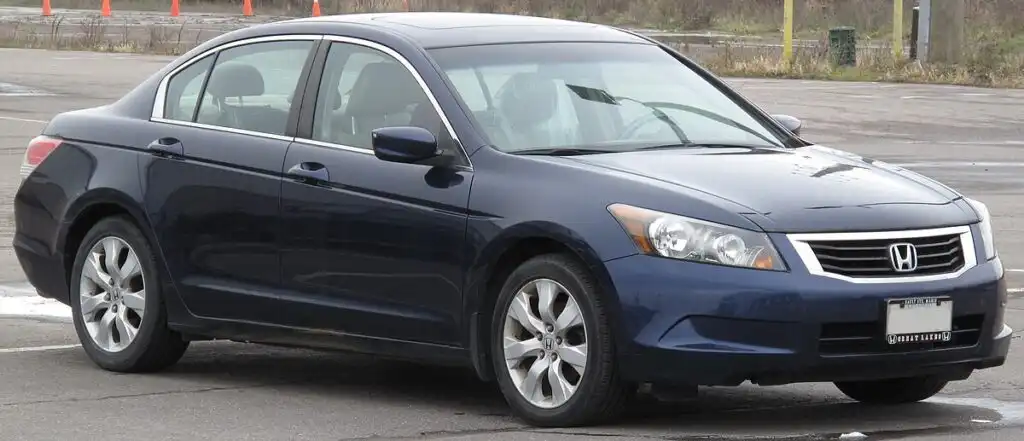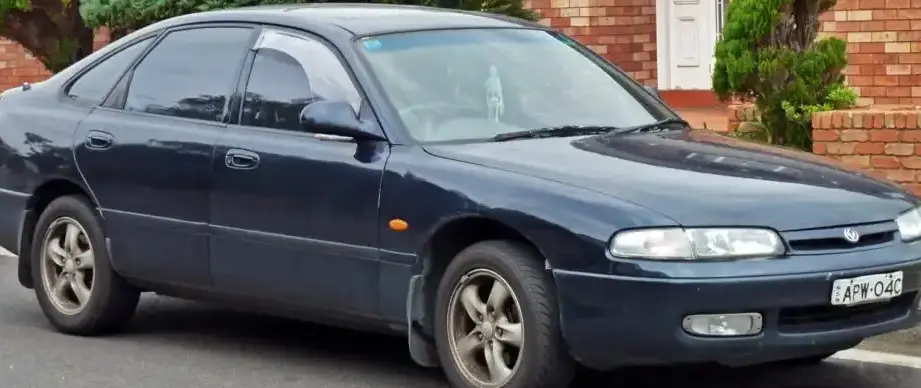
The Mazda 626 IV, produced between 1991 and 1997, marked a significant step forward for Mazda’s mid-size offering. The fourth generation (GE) showcased a move towards more aerodynamic styling and a greater focus on comfort and refinement. Within this generation, the 1.8-liter (105 hp) hatchback variant held an important position as the entry-level model in many markets, particularly in Europe and Australia. It provided a balance of affordability, practicality, and Mazda’s established reputation for reliability. While not the most powerful option in the 626 lineup, this specific configuration proved popular with buyers prioritizing fuel efficiency and everyday usability.
Technical Specifications
| Brand | Mazda |
| Model | 626 |
| Generation | 626 IV Hatchback (GE) |
| Type (Engine) | 1.8 (105 Hp) |
| Start of production | 1991 |
| End of production | 1997 |
| Powertrain Architecture | Internal Combustion engine |
| Body type | Hatchback |
| Seats | 5 |
| Doors | 5 |
| Fuel consumption (combined) | 7.7 l/100 km (30.5 US mpg, 36.7 UK mpg, 13 km/l) |
| Fuel Type | Petrol (Gasoline) |
| Acceleration 0 – 100 km/h | 10.1 sec |
| Acceleration 0 – 62 mph | 10.1 sec |
| Acceleration 0 – 60 mph | 9.6 sec |
| Maximum speed | 191 km/h (118.68 mph) |
| Weight-to-power ratio | 11.2 kg/Hp, 89 Hp/tonne |
| Weight-to-torque ratio | 7.6 kg/Nm, 131.4 Nm/tonne |
| Power | 105 Hp @ 5500 rpm |
| Power per litre | 57.1 Hp/l |
| Torque | 155 Nm @ 4300 rpm (114.32 lb.-ft. @ 4300 rpm) |
| Engine layout | Front, Transverse |
| Engine Model/Code | FP |
| Engine displacement | 1840 cm3 (112.28 cu. in.) |
| Number of cylinders | 4 |
| Engine configuration | Inline |
| Cylinder Bore | 83 mm (3.27 in.) |
| Piston Stroke | 85 mm (3.35 in.) |
| Compression ratio | 9:1 |
| Number of valves per cylinder | 4 |
| Fuel injection system | Multi-port manifold injection |
| Engine aspiration | Naturally aspirated engine |
| Valvetrain | DOHC |
| Engine oil capacity | 3.5 l (3.7 US qt | 3.08 UK qt) |
| Coolant | 7.5 l (7.93 US qt | 6.6 UK qt) |
| Kerb Weight | 1180 kg (2601.45 lbs.) |
| Max. weight | 1675 kg (3692.74 lbs.) |
| Max load | 495 kg (1091.29 lbs.) |
| Trunk (boot) space – minimum | 455 l (16.07 cu. ft.) |
| Trunk (boot) space – maximum | 747 l (26.38 cu. ft.) |
| Fuel tank capacity | 60 l (15.85 US gal | 13.2 UK gal) |
| Length | 4695 mm (184.84 in.) |
| Width | 1750 mm (68.9 in.) |
| Height | 1390 mm (54.72 in.) |
| Wheelbase | 2610 mm (102.76 in.) |
| Front track | 1500 mm (59.06 in.) |
| Rear (Back) track | 1500 mm (59.06 in.) |
| Drivetrain Architecture | The Internal combustion engine (ICE) drives the front wheels of the vehicle. |
| Drive wheel | Front wheel drive |
| Number of gears and type of gearbox | 5 gears, manual transmission |
| Front suspension | Wishbone |
| Rear suspension | Trailing arm |
| Front brakes | Ventilated discs |
| Rear brakes | Disc |
| Assisting systems | ABS (Anti-lock braking system) |
| Steering type | Steering rack and pinion |
| Power steering | Hydraulic Steering |
| Tires size | 185/65 R15 |
| Wheel rims size | 6J x 15 |
Powertrain & Engine Architecture
The heart of this 626 variant was the Mazda FP engine, an 1840cc inline-four cylinder gasoline engine. This engine utilized a multi-port fuel injection system, a common feature for the time, which helped improve fuel efficiency and throttle response compared to earlier carbureted designs. The engine featured a double overhead camshaft (DOHC) valvetrain, operating four valves per cylinder. This configuration contributed to improved breathing and higher-end power delivery. The compression ratio was set at 9:1, a typical value for naturally aspirated engines of this era. The FP engine was known for its relative simplicity and durability, making it a reasonably reliable unit. The 5-speed manual transmission was the standard offering, providing a decent spread of gears for both city driving and highway cruising.
Driving Characteristics
The 1.8-liter 626 offered a comfortable, if not particularly exhilarating, driving experience. With 105 horsepower, acceleration was adequate for everyday driving, but overtaking maneuvers required planning. The 0-60 mph time of around 9.6 seconds reflects this. The manual transmission allowed for a reasonable degree of driver control, but the engine’s peak torque of 114.32 lb-ft at 4300 rpm meant that it needed to be revved to extract the best performance. Compared to the more powerful 2.0-liter or V6 versions of the 626, this variant felt noticeably less responsive. However, it excelled in fuel economy, making it a practical choice for those covering long distances. The gear ratios were tuned for a balance between acceleration and fuel efficiency, with a relatively tall fifth gear for relaxed highway cruising.
Equipment & Trim Levels
The 1.8-liter hatchback typically represented the base trim level of the 626 IV. Standard equipment generally included power steering, central locking, and basic instrumentation. Interior upholstery was typically cloth, and the dashboard featured a functional, if somewhat understated, design. Options available often included air conditioning, power windows, and an upgraded audio system. Higher trim levels, such as the 2.0-liter models, offered features like alloy wheels, leather upholstery, and more sophisticated audio systems. The 1.8L model was often seen as a sensible choice for buyers who didn’t prioritize luxury features but still wanted a well-equipped and reliable vehicle.
Chassis & Braking
The 626 IV utilized a front-engine, front-wheel-drive layout. The front suspension employed a wishbone design, providing a comfortable ride and reasonable handling. The rear suspension featured a trailing arm setup, which was a cost-effective solution for maintaining ride quality. Braking duties were handled by ventilated discs at the front and solid discs at the rear. An Anti-lock Braking System (ABS) was often included as standard equipment, enhancing safety by preventing wheel lockup during hard braking. The steering was rack and pinion, providing precise and responsive steering feel. The 185/65 R15 tires offered a good balance of grip and ride comfort.
Market Reception & Comparison
The 1.8-liter 626 hatchback was generally well-received by automotive critics as a practical and affordable family car. While it wasn’t praised for its outright performance, it was commended for its fuel efficiency, comfortable ride, and spacious interior. Compared to rivals like the Ford Mondeo and Opel/Vauxhall Vectra, the 626 offered a slightly more refined driving experience and a reputation for strong reliability. However, some critics noted that the interior design was somewhat conservative compared to the more modern styling of some competitors. Fuel economy figures of around 30.5 US mpg were competitive for the time, making it an attractive option for budget-conscious buyers.
Legacy
The Mazda 626 IV 1.8-liter hatchback has proven to be a durable and reliable vehicle over the long term. The FP engine, while not particularly high-tech, is known for its robustness and relatively low maintenance requirements. Today, these cars are increasingly sought after by enthusiasts and collectors who appreciate their simplicity and reliability. Parts availability is generally good, and the relatively straightforward mechanical design makes them relatively easy to maintain. While not a performance icon, the 1.8-liter 626 remains a testament to Mazda’s commitment to building well-engineered and dependable vehicles.