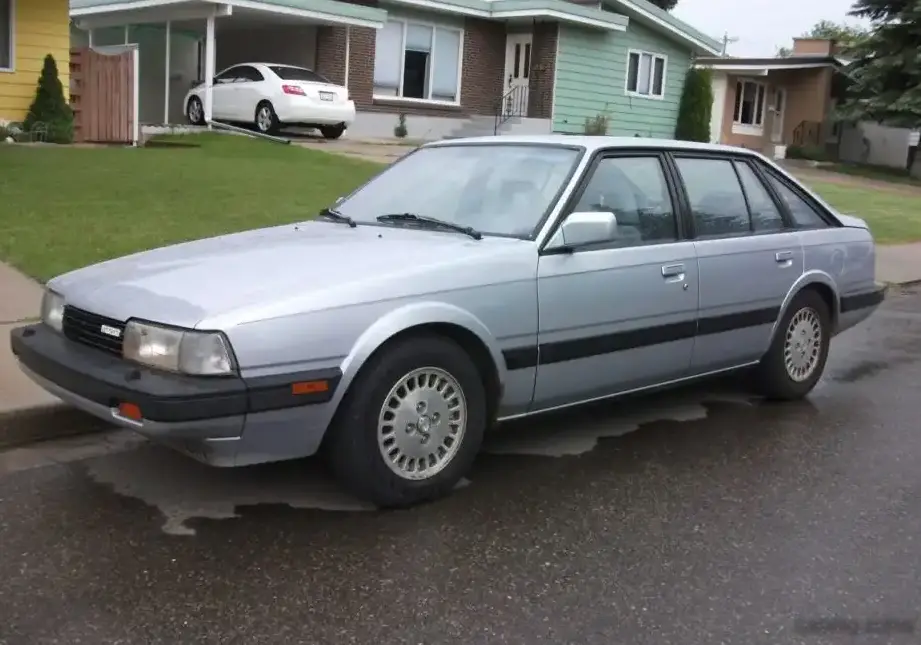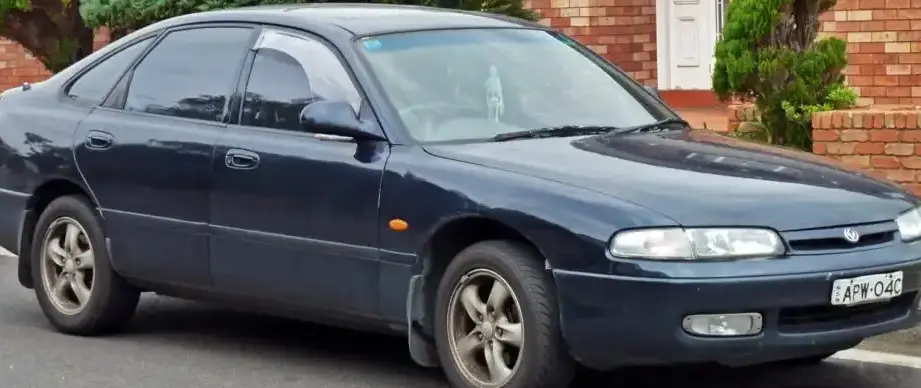
The Mazda 626 IV, produced between 1992 and 1997, represented a significant evolution in Mazda’s mid-size offerings. The “GE” generation, available as both a sedan and a hatchback, aimed to provide a blend of practicality, comfort, and a degree of sporting character. Within this generation, the 2.0i 4WD variant, producing 116 horsepower, occupied a middle ground in the lineup, offering all-wheel drive capability without the higher price tag of the more powerful V6 models. This particular configuration was primarily aimed at buyers in regions experiencing inclement weather, or those desiring enhanced traction for varied road conditions. It was a popular choice in markets like Canada and parts of the Northern United States, as well as in Europe where the 626 competed with rivals like the Ford Mondeo and Opel Vectra.
Technical Specifications
| Brand | Mazda |
| Model | 626 |
| Generation | 626 IV Hatchback (GE) |
| Type (Engine) | 2.0 i 4WD (116 Hp) |
| Start of production | 1992 |
| End of production | 1997 |
| Powertrain Architecture | Internal Combustion Engine |
| Body type | Hatchback |
| Fuel Type | Petrol (Gasoline) |
| Power | 116 Hp |
| Engine aspiration | Naturally Aspirated |
Powertrain & Engine Architecture
The 2.0i 4WD 626 GE utilized Mazda’s F2 engine, a 1998cc inline-four cylinder powerplant. This engine was a naturally aspirated design, featuring a single overhead camshaft (SOHC) operating two valves per cylinder. Fuel delivery was managed by a multi-point fuel injection system, contributing to improved efficiency and smoother operation compared to earlier carbureted Mazda engines. The F2 engine, while not particularly high-revving, was known for its durability and relatively low maintenance requirements. The engine produced 116 horsepower at 5,600 rpm and 135 lb-ft of torque at 3,000 rpm. The 4WD system employed was a viscous coupling system, automatically engaging the rear wheels when slippage was detected at the front. This system provided a seamless transition between two-wheel and four-wheel drive, without requiring any driver intervention. The transmission paired with this engine was a four-speed automatic, chosen for its ease of use and suitability for everyday driving. While not offering the most responsive gear changes, it was a reliable unit and well-matched to the engine’s torque characteristics.
Driving Characteristics
The 2.0i 4WD 626 GE offered a comfortable and predictable driving experience. Acceleration was adequate for most situations, with 0-60 mph times estimated around 10-11 seconds. The four-speed automatic transmission, while smooth, did contribute to a slight loss of power compared to the available five-speed manual transmission. The automatic’s gear ratios were geared towards fuel economy and relaxed cruising, rather than outright performance. The all-wheel drive system provided enhanced grip, particularly on slippery surfaces, inspiring confidence in adverse weather conditions. However, the added weight of the 4WD components did slightly impact handling agility compared to the front-wheel drive models. Steering was light and precise, making the 626 easy to maneuver in urban environments. The suspension, tuned for comfort, absorbed bumps and imperfections in the road well, providing a relatively smooth ride.
Equipment & Trim Levels
The 2.0i 4WD trim level of the 626 GE typically included features such as power windows, power door locks, and an AM/FM stereo with cassette player. Air conditioning was a standard feature, essential for comfort in warmer climates. Interior upholstery was typically cloth, available in a range of colors. Optional extras included a sunroof, upgraded stereo systems, and alloy wheels. The dashboard layout was functional and straightforward, with easy-to-read gauges and logically placed controls. Safety features included front seatbelts and, depending on the market, anti-lock brakes (ABS) were available as an option. The overall interior ambiance was one of practicality and durability, rather than luxury.
Chassis & Braking
The 626 GE utilized a MacPherson strut front suspension and a multi-link rear suspension. This setup provided a good balance between ride comfort and handling. The 4WD models featured slightly stiffer springs and dampers to compensate for the added weight of the drivetrain components. Braking on the 2.0i 4WD model typically consisted of front disc brakes and rear drum brakes. ABS was available as an option, significantly improving braking performance in emergency situations. The steering system was a rack-and-pinion setup, providing precise and responsive steering feel. Stabilizer bars were fitted to both the front and rear axles, helping to reduce body roll during cornering.
Market Reception & Comparison
The Mazda 626 IV 2.0i 4WD was generally well-received by automotive critics. It was praised for its comfortable ride, spacious interior, and reliable powertrain. The all-wheel drive system was seen as a valuable asset for buyers in regions with harsh winters or challenging road conditions. Compared to the 2.0-liter front-wheel drive models, the 4WD version offered superior traction but at the expense of slightly reduced fuel economy and a marginally higher price. The more powerful V6 models offered significantly more performance, but came with a substantial price premium. The 626 4WD competed directly with other mid-size hatchbacks offering all-wheel drive, such as the Subaru Legacy and the Audi 80/90 quattro. Fuel economy was rated around 20-24 mpg city and 28-32 mpg highway, depending on driving conditions.
Legacy
The Mazda 626 IV 2.0i 4WD has proven to be a relatively reliable vehicle, with many examples still on the road today. The F2 engine is known for its durability, and the four-speed automatic transmission is generally trouble-free. However, like any vehicle of this age, regular maintenance is crucial to ensure continued reliability. Common issues include corrosion, particularly in areas exposed to road salt, and wear and tear on suspension components. The 4WD system itself is generally robust, but the viscous coupling can eventually wear out, requiring replacement. In the used car market, the 626 2.0i 4WD is often sought after by buyers looking for an affordable and practical all-wheel drive vehicle. Its combination of comfort, reliability, and all-weather capability makes it a compelling option for those seeking a classic Japanese sedan or hatchback.