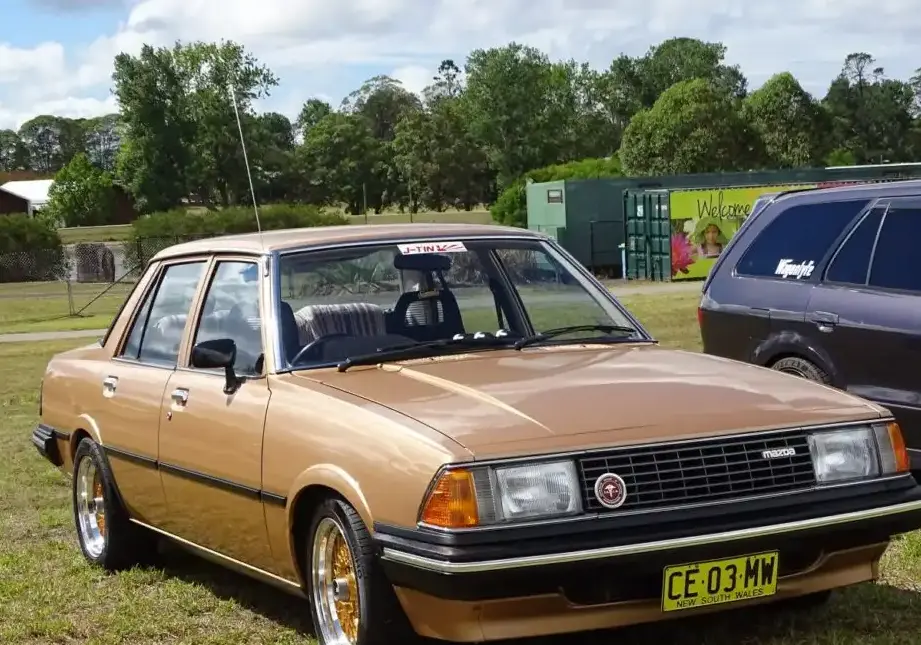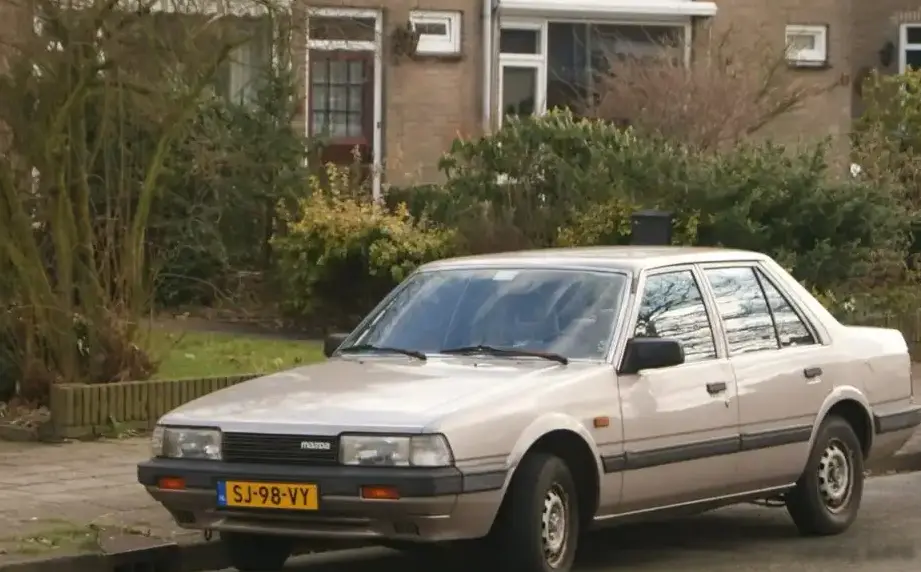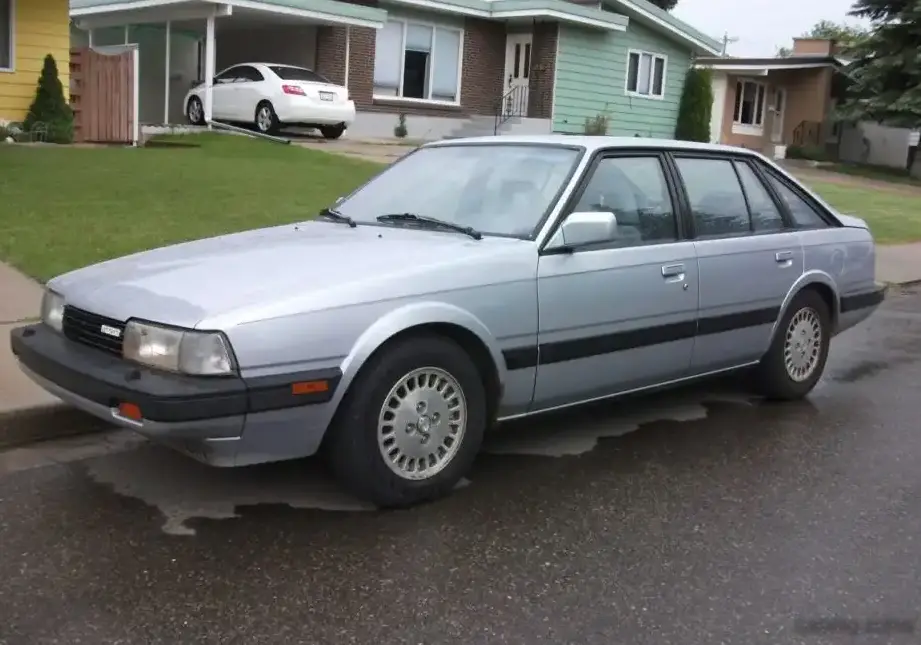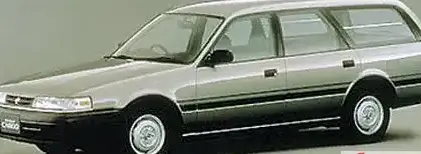
The Mazda 626 IV Station Wagon 2.2i, produced between 1994 and 1998, represented Mazda’s offering in the competitive mid-size family wagon segment. Part of the fourth generation (GF/GV) of the 626, this variant – equipped with the 2.2-liter inline-four engine producing 115 horsepower – aimed to balance practicality, fuel efficiency, and affordability. It was positioned as a sensible choice for families needing ample cargo space and reliable transportation, falling between the base model and the more powerful V6 options available in some markets. The 626 IV series was a significant model for Mazda, representing a move towards more refined and contemporary designs, and the station wagon body style was particularly popular in Europe and other regions where practicality was highly valued.
Technical Specifications
| Brand | Mazda |
| Model | 626 |
| Generation | 626 IV Station Wagon |
| Type (Engine) | 2.2i (115 Hp) |
| Start of production | 1994 |
| End of production | 1998 |
| Powertrain Architecture | Internal Combustion engine |
| Body type | Station wagon (estate) |
| Seats | 5 |
| Doors | 5 |
| Fuel consumption (combined) | 8.5 l/100 km (27.7 US mpg, 33.2 UK mpg, 11.8 km/l) |
| Fuel Type | Petrol (Gasoline) |
| Acceleration 0 – 100 km/h | 10.2 sec |
| Acceleration 0 – 62 mph | 10.2 sec |
| Acceleration 0 – 60 mph | 9.7 sec |
| Maximum speed | 182 km/h (113.09 mph) |
| Weight-to-power ratio | 10.7 kg/Hp, 93.5 Hp/tonne |
| Weight-to-torque ratio | 6.8 kg/Nm, 146.3 Nm/tonne |
| Power | 115 Hp @ 5000 rpm |
| Power per litre | 52.7 Hp/l |
| Torque | 180 Nm @ 3000 rpm (132.76 lb.-ft. @ 3000 rpm) |
| Engine layout | Front, Transverse |
| Engine displacement | 2184 cm3 (133.28 cu. in.) |
| Number of cylinders | 4 |
| Engine configuration | Inline |
| Cylinder Bore | 86 mm (3.39 in.) |
| Piston Stroke | 94 mm (3.7 in.) |
| Compression ratio | 8.6:1 |
| Number of valves per cylinder | 3 |
| Fuel injection system | Multi-port manifold injection |
| Engine aspiration | Naturally aspirated engine |
| Valvetrain | OHC |
| Kerb Weight | 1230 kg (2711.69 lbs.) |
| Max. weight | 1780 kg (3924.23 lbs.) |
| Max load | 550 kg (1212.54 lbs.) |
| Trunk (boot) space – minimum | 430 l (15.19 cu. ft.) |
| Trunk (boot) space – maximum | 1315 l (46.44 cu. ft.) |
| Fuel tank capacity | 60 l (15.85 US gal | 13.2 UK gal) |
| Length | 4600 mm (181.1 in.) |
| Width | 1690 mm (66.54 in.) |
| Height | 1465 mm (57.68 in.) |
| Wheelbase | 2575 mm (101.38 in.) |
| Front track | 1455 mm (57.28 in.) |
| Rear (Back) track | 1465 mm (57.68 in.) |
| Drivetrain Architecture | The Internal combustion engine (ICE) drives the front wheels of the vehicle. |
| Drive wheel | Front wheel drive |
| Number of gears and type of gearbox | 5 gears, manual transmission |
| Front suspension | Wishbone |
| Rear suspension | Trailing arm |
| Front brakes | Ventilated discs |
| Rear brakes | Disc |
| Assisting systems | ABS (Anti-lock braking system) |
| Steering type | Steering rack and pinion |
| Power steering | Hydraulic Steering |
| Tires size | 185/70 R14 88 S |
| Wheel rims size | 5.5J x 14 ET 45 |
Powertrain & Engine Architecture
The heart of the 626 IV 2.2i was the F2 engine, a 2.2-liter (2184 cc) inline-four cylinder gasoline engine. This engine, often referred to by its internal code, utilized a single overhead camshaft (SOHC) valvetrain with three valves per cylinder (two intake, one exhaust). The multi-port fuel injection system delivered fuel directly to each cylinder, optimizing combustion efficiency. The 8.6:1 compression ratio was a compromise between performance and the ability to run on readily available fuel grades. The engine produced 115 horsepower at 5000 rpm and 180 Nm (132.76 lb-ft) of torque at 3000 rpm. This power was delivered to the front wheels through a five-speed manual transmission, which was the standard offering. While an automatic transmission was available in some markets, the 5-speed manual was favored by drivers seeking more control and slightly improved fuel economy.
Driving Characteristics
The 2.2i variant of the 626 IV offered a comfortable and predictable driving experience. Acceleration was adequate for everyday driving, with a 0-60 mph time of around 9.7 seconds. However, it wasn’t a particularly sporty vehicle. The engine’s torque curve provided reasonable pulling power at lower and mid-range speeds, making it suitable for highway cruising and overtaking. Compared to the more powerful V6 versions, the 2.2i felt noticeably less responsive, especially when fully loaded. The five-speed manual transmission allowed drivers to keep the engine in its optimal power band, but the gear ratios were spaced to prioritize fuel efficiency rather than outright performance. The suspension, tuned for comfort, absorbed bumps well, but didn’t offer the sharp handling characteristics of some competitors.
Equipment & Trim Levels
The 626 IV 2.2i typically came with a respectable level of standard equipment. This included power steering, central locking, electric windows, and an AM/FM radio. Interior upholstery was typically cloth, with a relatively simple and functional dashboard layout. Optional extras included air conditioning, a sunroof, and upgraded audio systems. Trim levels varied depending on the market, but generally, the 2.2i represented a mid-range offering, providing a good balance of features and affordability. Higher trim levels often added features like alloy wheels, upgraded interior trim, and more sophisticated audio systems.
Chassis & Braking
The 626 IV Station Wagon utilized a front-engine, front-wheel-drive layout. The front suspension employed a wishbone configuration, while the rear suspension featured a trailing arm setup. This combination provided a comfortable ride and decent handling characteristics. Braking duties were handled by ventilated discs at the front and solid discs at the rear. An anti-lock braking system (ABS) was standard, enhancing safety by preventing wheel lockup during hard braking. The steering system was a rack and pinion type with hydraulic power assistance, providing light and precise steering feel.
Market Reception & Comparison
The Mazda 626 IV 2.2i was generally well-received by automotive critics as a practical and reliable family wagon. It offered a good amount of space for passengers and cargo, and its fuel economy was competitive for its class. However, some reviewers noted that its performance was somewhat underwhelming compared to rivals, particularly those equipped with larger engines. Compared to the V6-powered 626 models, the 2.2i offered significantly better fuel economy and lower running costs, but at the expense of performance. Against competitors like the Toyota Camry Wagon and Honda Accord Wagon, the 626 IV 2.2i offered a similar level of practicality and reliability, often at a slightly lower price point.
Legacy
The Mazda 626 IV 2.2i has proven to be a relatively durable and reliable vehicle. The F2 engine, while not particularly high-performance, is known for its longevity and relatively simple maintenance requirements. Today, these wagons are becoming increasingly rare, but well-maintained examples are sought after by enthusiasts and collectors. Common issues include age-related wear and tear on suspension components and potential corrosion in areas prone to rust. However, with proper care, the 626 IV 2.2i can continue to provide reliable transportation for years to come, representing a solid example of 1990s Japanese automotive engineering.