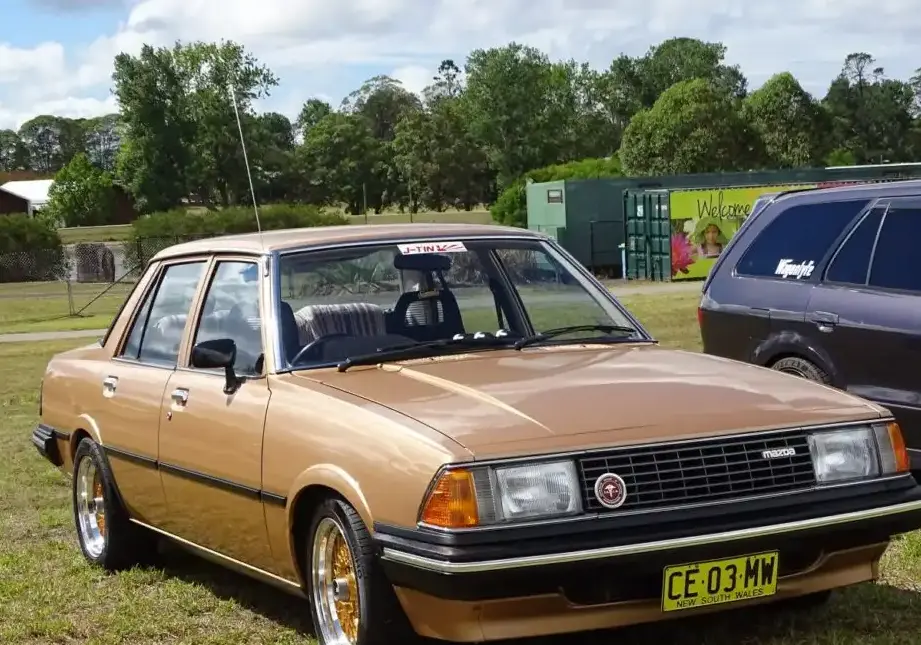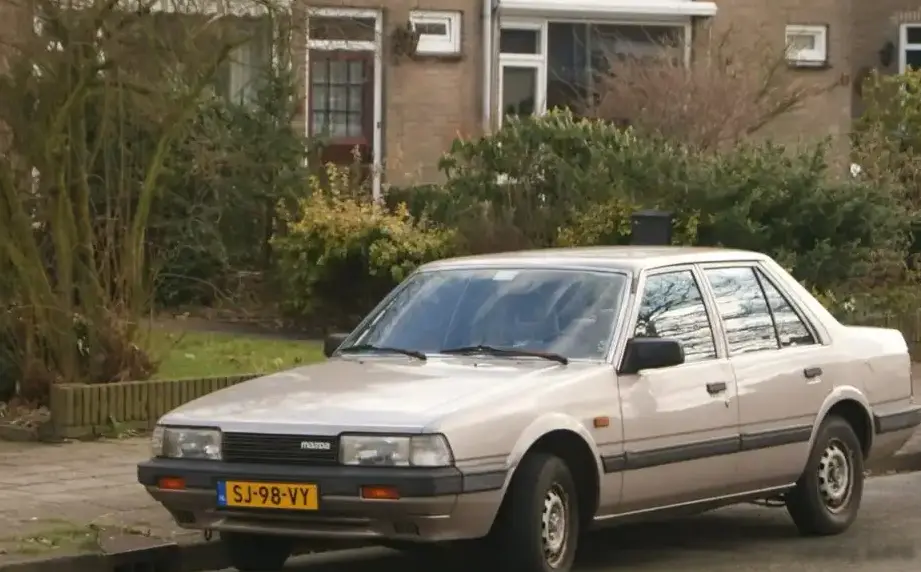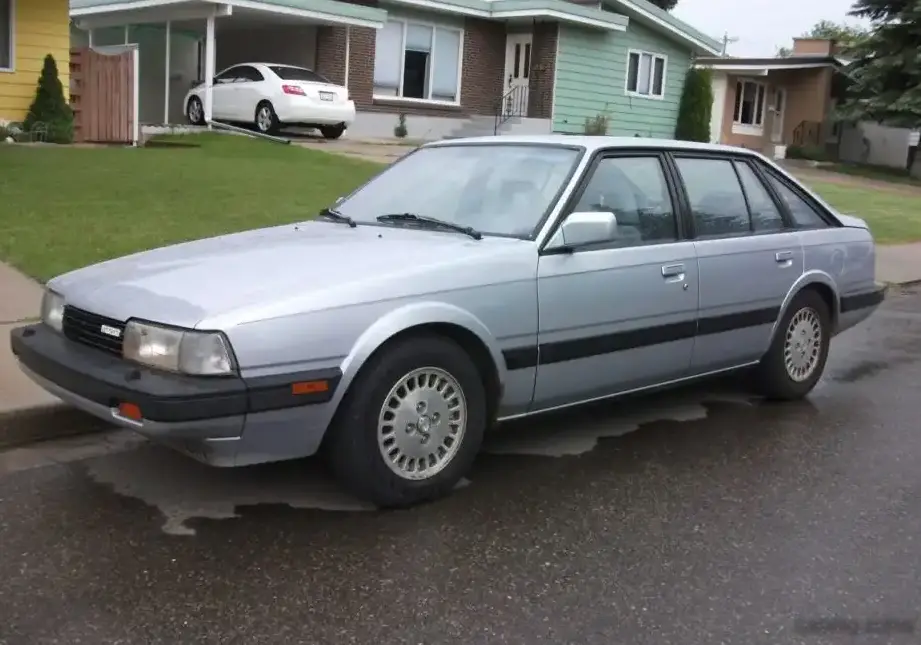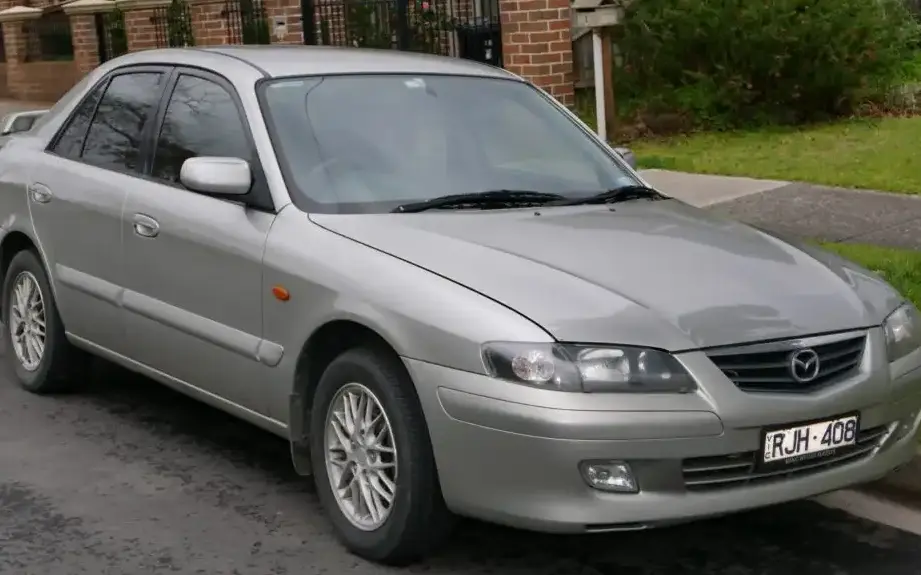
The Mazda 626 V (GF), produced between 1997 and 2001, represented the fifth generation of Mazda’s long-running 626 family sedan. Positioned as a mainstream mid-size offering, the GF series aimed to provide a balance of comfort, practicality, and value in a competitive segment. This particular variant, equipped with the 2.0-liter FS engine producing 115 horsepower, served as a core model within the lineup, offering a step up from the base engine while remaining more accessible than the higher-performance options. The 626 V (GF) was primarily marketed in Europe, Asia, and Australia, with limited sales in North America where it was replaced by the Mazda Protegé.
Technical Specifications
| Brand | Mazda |
| Model | 626 |
| Generation | 626 V (GF) |
| Type (Engine) | 2.0 (115 Hp) |
| Start of production | 1997 |
| End of production | 2001 |
| Powertrain Architecture | Internal Combustion engine |
| Body type | Sedan |
| Seats | 5 |
| Doors | 4 |
| Fuel consumption (urban) | 10.6 l/100 km (22.2 US mpg) |
| Fuel consumption (extra urban) | 6.4 l/100 km (36.8 US mpg) |
| Fuel Type | Petrol (Gasoline) |
| Acceleration 0 – 100 km/h | 9.9 sec |
| Acceleration 0 – 62 mph | 9.9 sec |
| Acceleration 0 – 60 mph | 9.4 sec |
| Maximum speed | 198 km/h (123.03 mph) |
| Weight-to-power ratio | 10.3 kg/Hp |
| Weight-to-torque ratio | 7 kg/Nm |
| Power | 115 Hp @ 5500 rpm |
| Torque | 170 Nm @ 4500 rpm (125.39 lb.-ft. @ 4500 rpm) |
| Engine layout | Front, Transverse |
| Engine Model/Code | FS |
| Engine displacement | 1991 cm3 (121.5 cu. in.) |
| Number of cylinders | 4 |
| Engine configuration | Inline |
| Cylinder Bore | 83 mm (3.27 in.) |
| Piston Stroke | 92 mm (3.62 in.) |
| Compression ratio | 9:1 |
| Number of valves per cylinder | 4 |
| Fuel injection system | Multi-port manifold injection |
| Engine aspiration | Naturally aspirated engine |
| Valvetrain | DOHC |
| Engine oil capacity | 3.5 l (3.7 US qt | 3.08 UK qt) |
| Coolant capacity | 7.5 l (7.93 US qt | 6.6 UK qt) |
| Kerb Weight | 1185 kg (2612.48 lbs.) |
| Max. weight | 1685 kg (3714.79 lbs.) |
| Max load | 500 kg (1102.31 lbs.) |
| Trunk (boot) space – minimum | 502 l (17.73 cu. ft.) |
| Fuel tank capacity | 64 l (16.91 US gal | 14.08 UK gal) |
| Length | 4574 mm (180.08 in.) |
| Width | 1710 mm (67.32 in.) |
| Height | 1430 mm (56.3 in.) |
| Wheelbase | 2610 mm (102.76 in.) |
| Front track | 1480 mm (58.27 in.) |
| Rear (Back) track | 1470 mm (57.87 in.) |
| Drivetrain Architecture | Front wheel drive |
| Number of gears and type of gearbox | 5 gears, manual transmission |
| Front suspension | Spring Strut |
| Rear suspension | Wishbone |
| Front brakes | Ventilated discs |
| Rear brakes | Disc |
| Assisting systems | ABS (Anti-lock braking system) |
| Steering type | Steering rack and pinion |
| Power steering | Hydraulic Steering |
| Tires size | 185/65 R15 |
| Wheel rims size | 6J x 15 |
Powertrain & Engine Architecture
The heart of this 626 variant is the Mazda FS engine, a 1.991-liter inline-four cylinder gasoline engine. This engine utilized a multi-port fuel injection system, delivering fuel directly into the intake ports for improved combustion efficiency. The FS engine featured a double overhead camshaft (DOHC) valvetrain, operating four valves per cylinder, which contributed to its respectable power output for its displacement. The 9:1 compression ratio was a typical value for naturally aspirated engines of this era, balancing performance and fuel economy. Paired with the engine was a five-speed manual transmission, providing drivers with a reasonable degree of control over the engine’s powerband. The engine’s transverse mounting within the front-wheel-drive configuration was a common layout for front-wheel drive vehicles of the time, optimizing space utilization.
Driving Characteristics
The 2.0-liter, 115 hp 626 offered a comfortable and predictable driving experience. Acceleration from 0-60 mph took approximately 9.4 seconds, which was adequate for everyday driving but didn’t position it as a performance leader. The engine delivered its peak torque of 170 Nm (125 lb-ft) at 4500 rpm, meaning that drivers needed to rev the engine slightly to access its full potential. Compared to the more powerful V6 options available in some markets, this variant felt less responsive, particularly during overtaking maneuvers. However, the five-speed manual transmission allowed drivers to keep the engine in its optimal power range. The gear ratios were spaced to provide a balance between fuel efficiency and usable acceleration. The ride quality was generally smooth, prioritizing comfort over sporty handling.
Equipment & Trim Levels
The 2.0-liter 626 typically came equipped with a reasonable level of standard features. These included power windows, power door locks, and a basic audio system. Air conditioning was often standard, though it could be optional depending on the specific market. Interior upholstery was typically cloth, with a relatively simple dashboard layout. Optional extras could include alloy wheels, a sunroof, and upgraded audio systems. The trim level for this engine configuration generally fell into the mid-range of the 626 lineup, offering a step up in features and performance compared to the base models but lacking the luxury appointments of the higher-end trims.
Chassis & Braking
The 626 V (GF) utilized a front strut and rear wishbone suspension system, providing a comfortable ride and predictable handling. The front suspension featured coil springs and a stabilizer bar to reduce body roll. The rear suspension also employed coil springs. Braking duties were handled by ventilated discs at the front and solid discs at the rear, providing adequate stopping power for the vehicle’s weight and performance. An Anti-lock Braking System (ABS) was standard, enhancing safety by preventing wheel lockup during hard braking. The steering system was a rack and pinion setup with hydraulic power assistance, offering light and precise steering feel.
Market Reception & Comparison
The 2.0-liter 626 was generally well-received by automotive critics as a practical and reliable family sedan. It offered a good balance of features, fuel economy, and price. However, it wasn’t considered a standout performer in its class. Compared to other mid-size sedans of the time, such as the Honda Accord and Toyota Camry, the 626 offered a slightly more affordable alternative, but it lacked the same level of refinement and brand recognition. Fuel economy was competitive, averaging around 36.8 US mpg on the highway. Reliability was generally good, though some owners reported minor issues with the engine’s cooling system.
Legacy
The Mazda 626 V (GF) 2.0-liter variant has proven to be a relatively durable and reliable vehicle in the used car market. The FS engine, while not particularly powerful, is known for its longevity when properly maintained. Parts availability is generally good, making it relatively easy and affordable to keep these vehicles on the road. Today, the 626 V (GF) is often sought after by enthusiasts looking for a classic Japanese sedan that offers a comfortable ride, reasonable fuel economy, and a touch of nostalgia. While not a collector’s item, it remains a viable and affordable transportation option for those seeking a dependable used car.