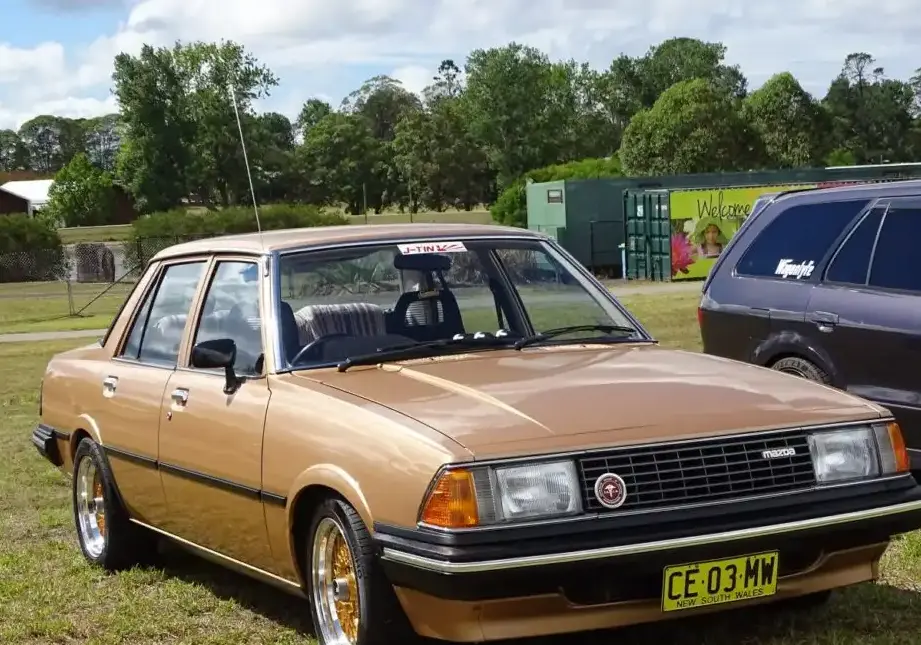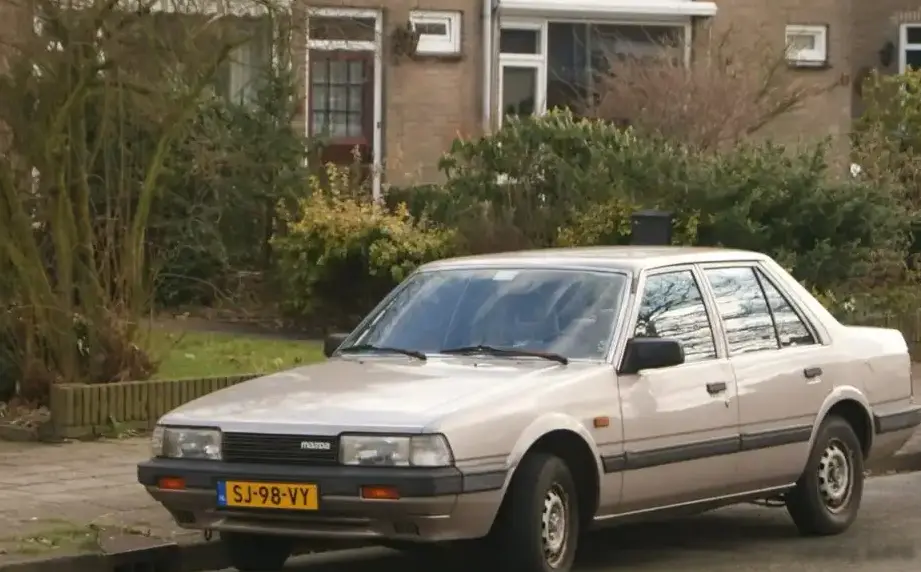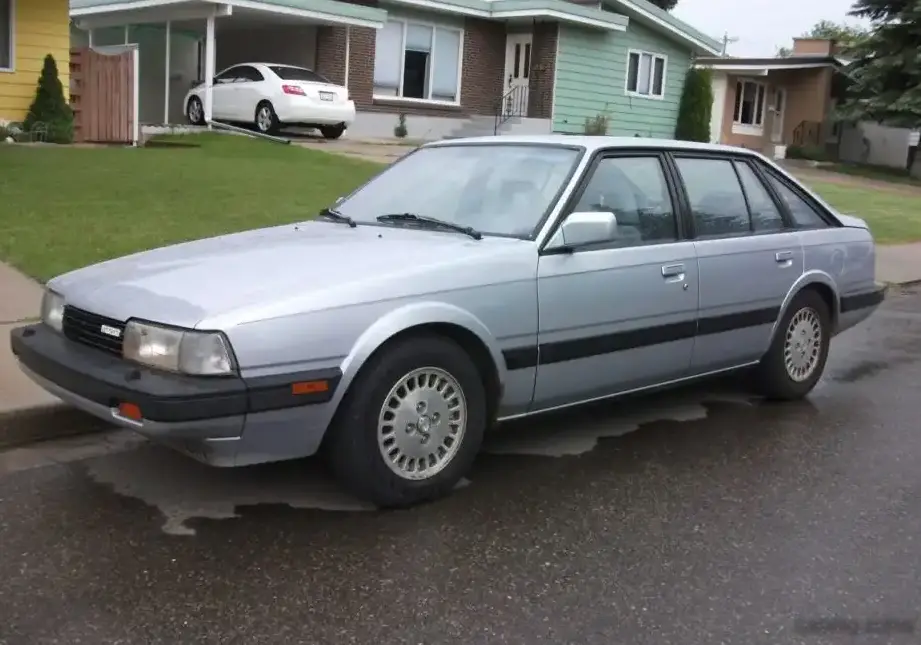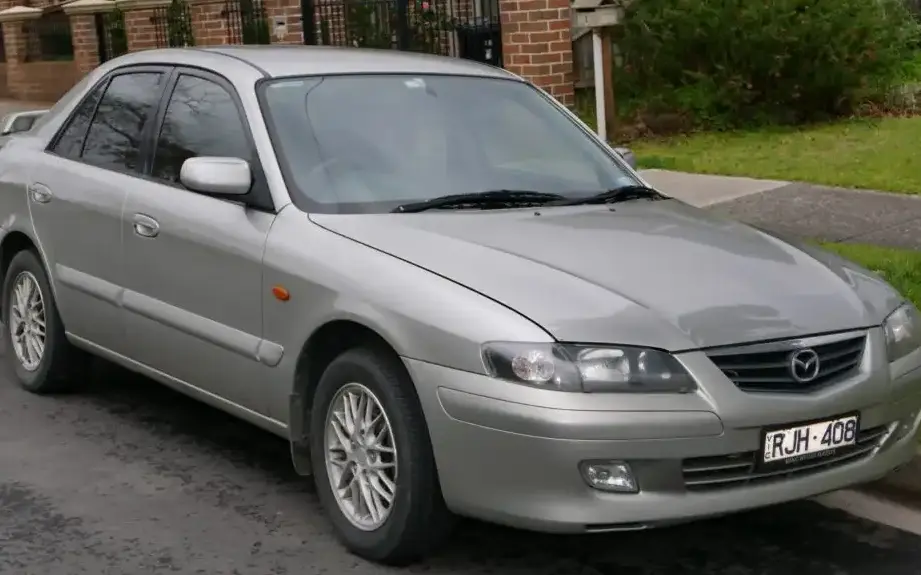
The Mazda 626 V (GF) 2.0 Turbo DI, produced between 1998 and 2001, represented a significant offering in Mazda’s mid-size sedan lineup. Positioned as a more efficient and refined option, this variant utilized a direct-injection turbocharged diesel engine, a relatively uncommon configuration for the North American market where the 626 was sold alongside gasoline-powered models. It was part of the GF generation of the 626, which aimed to improve upon the previous model’s reputation for reliability and practicality. This particular diesel trim was primarily aimed at European and Asian markets, offering a blend of fuel economy and reasonable performance.
Technical Specifications
| Brand | Mazda |
| Model | 626 |
| Generation | 626 V (GF) |
| Type (Engine) | 2.0 Turbo DI (101 Hp) |
| Start of production | 1998 |
| End of production | 2001 |
| Powertrain Architecture | Internal Combustion engine |
| Body type | Sedan |
| Seats | 5 |
| Doors | 4 |
| Fuel consumption (urban) | 6.4 l/100 km (36.8 US mpg) |
| Fuel consumption (extra urban) | 4.5 l/100 km (52.3 US mpg) |
| Fuel consumption (combined) | 5.5 l/100 km (42.8 US mpg) |
| Fuel Type | Diesel |
| Acceleration 0 – 100 km/h | 11.5 sec |
| Acceleration 0 – 62 mph | 11.5 sec |
| Acceleration 0 – 60 mph | 10.9 sec |
| Maximum speed | 185 km/h (114.95 mph) |
| Weight-to-power ratio | 12.6 kg/Hp |
| Weight-to-torque ratio | 5.8 kg/Nm |
| Power | 101 Hp @ 4000 rpm |
| Power per litre | 50.6 Hp/l |
| Torque | 220 Nm @ 2000 rpm (162.26 lb.-ft. @ 2000 rpm) |
| Engine layout | Front, Transverse |
| Engine Model/Code | RF4F |
| Engine displacement | 1998 cm3 (121.93 cu. in.) |
| Number of cylinders | 4 |
| Engine configuration | Inline |
| Cylinder Bore | 86 mm (3.39 in.) |
| Piston Stroke | 86 mm (3.39 in.) |
| Compression ratio | 18.8:1 |
| Number of valves per cylinder | 4 |
| Fuel injection system | Direct injection |
| Engine aspiration | Turbocharger |
| Valvetrain | SOHC |
| Engine oil capacity | 4.7 l (4.97 US qt | 4.14 UK qt) |
| Coolant capacity | 9 l (9.51 US qt | 7.92 UK qt) |
| Kerb Weight | 1275 kg (2810.89 lbs.) |
| Max. weight | 1770 kg (3902.18 lbs.) |
| Max load | 495 kg (1091.29 lbs.) |
| Trunk (boot) space – minimum | 502 l (17.73 cu. ft.) |
| Fuel tank capacity | 64 l (16.91 US gal | 14.08 UK gal) |
| Length | 4575 mm (180.12 in.) |
| Width | 1710 mm (67.32 in.) |
| Height | 1430 mm (56.3 in.) |
| Wheelbase | 2610 mm (102.76 in.) |
| Front track | 1465 mm (57.68 in.) |
| Rear (Back) track | 1470 mm (57.87 in.) |
| Drivetrain Architecture | Front wheel drive |
| Number of gears and type of gearbox | 5 gears, manual transmission |
| Front suspension | Spring Strut |
| Rear suspension | Wishbone |
| Front brakes | Ventilated discs |
| Rear brakes | Disc |
| Assisting systems | ABS (Anti-lock braking system) |
| Steering type | Steering rack and pinion |
| Power steering | Hydraulic Steering |
| Tires size | 185/65 R15 |
| Wheel rims size | 6J x 15 |
Powertrain & Engine Architecture
The heart of the 626 V 2.0 Turbo DI was the RF4F engine, a 1.998-liter inline-four cylinder diesel. This engine employed direct fuel injection, a technology that allowed for more precise fuel delivery and improved combustion efficiency compared to traditional indirect injection systems. The turbocharger, a key component, forced more air into the cylinders, boosting power output. The engine featured a single overhead camshaft (SOHC) valvetrain, operating four valves per cylinder. The high compression ratio of 18.8:1 was typical for diesel engines, contributing to their thermal efficiency. The five-speed manual transmission was the only gearbox option available with this engine, prioritizing fuel economy and driver control over outright acceleration.
Driving Characteristics
The 2.0 Turbo DI offered a distinctly different driving experience compared to the gasoline-powered 626 variants. While its 101 horsepower wasn’t particularly high, the 220 Nm (162 lb-ft) of torque available from 2000 rpm provided ample pulling power for everyday driving and overtaking maneuvers. Acceleration to 60 mph took around 10.9 seconds, and top speed was rated at 115 mph. The manual transmission allowed for precise gear selection, but the turbocharger’s response wasn’t instantaneous, resulting in a slight delay before peak power was delivered. Compared to the more powerful V6 gasoline engines available in the 626 range, the diesel felt less refined but offered significantly better fuel economy.
Equipment & Trim Levels
The 2.0 Turbo DI trim level typically included standard features such as power windows, power door locks, and air conditioning. Interior upholstery was generally cloth, with a functional and durable design. Optional extras could include an upgraded audio system, alloy wheels, and a sunroof. The overall interior design was focused on practicality and comfort rather than luxury, reflecting the car’s positioning as a sensible and economical choice. Safety features included ABS anti-lock brakes, which were becoming increasingly common on vehicles of this era.
Chassis & Braking
The 626 V utilized a front-engine, front-wheel-drive layout. The front suspension employed a MacPherson strut design, while the rear suspension featured a wishbone setup. This configuration provided a reasonable balance between ride comfort and handling. Braking duties were handled by ventilated discs at the front and solid discs at the rear. The hydraulic power steering provided light and responsive steering feel. The relatively modest power output of the diesel engine meant that the braking system was generally adequate for the car’s performance capabilities.
Market Reception & Comparison
The 2.0 Turbo DI variant of the Mazda 626 received mixed reviews. Critics praised its fuel economy and torque, but some found the engine to be somewhat noisy and lacking in refinement compared to gasoline alternatives. Compared to the 2.0-liter gasoline engine, the diesel offered significantly better fuel efficiency but less overall power. Against competitors like the Ford Mondeo and Volkswagen Passat, the 626 diesel offered a competitive package in terms of price and features, but its diesel engine was less common in the US market, potentially limiting its appeal.
Legacy
The RF4F engine, while generally reliable, is now showing its age. Common issues include turbocharger wear, fuel injector problems, and potential issues with the diesel particulate filter (DPF) in later models. The 626 V 2.0 Turbo DI has become a relatively rare sight on the road today, with many examples having been scrapped or exported. However, well-maintained examples are sought after by enthusiasts who appreciate their fuel efficiency and unique character. The powertrain, while not known for blistering performance, proved to be durable and capable, contributing to the 626’s reputation as a practical and dependable family sedan.