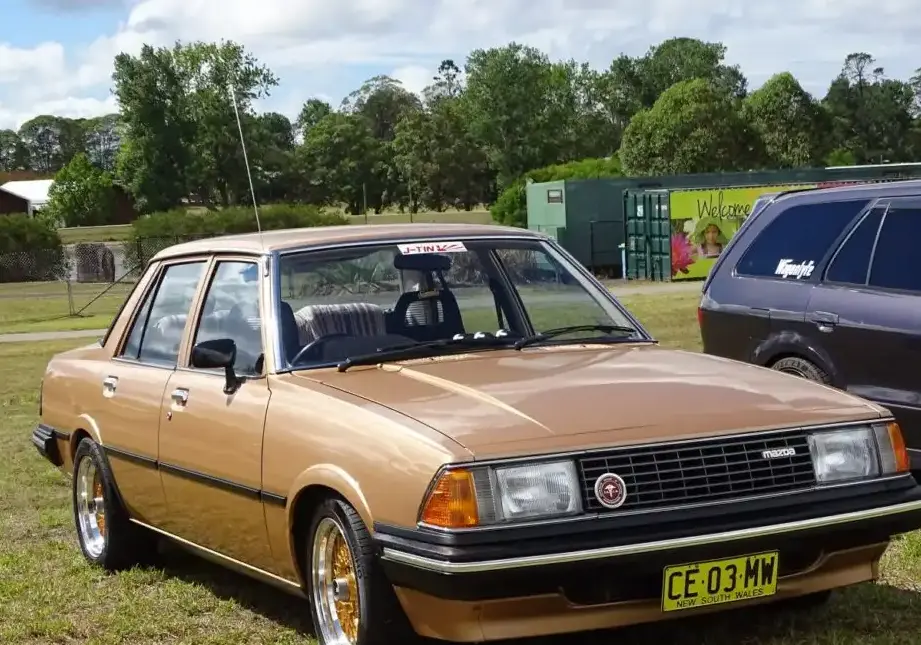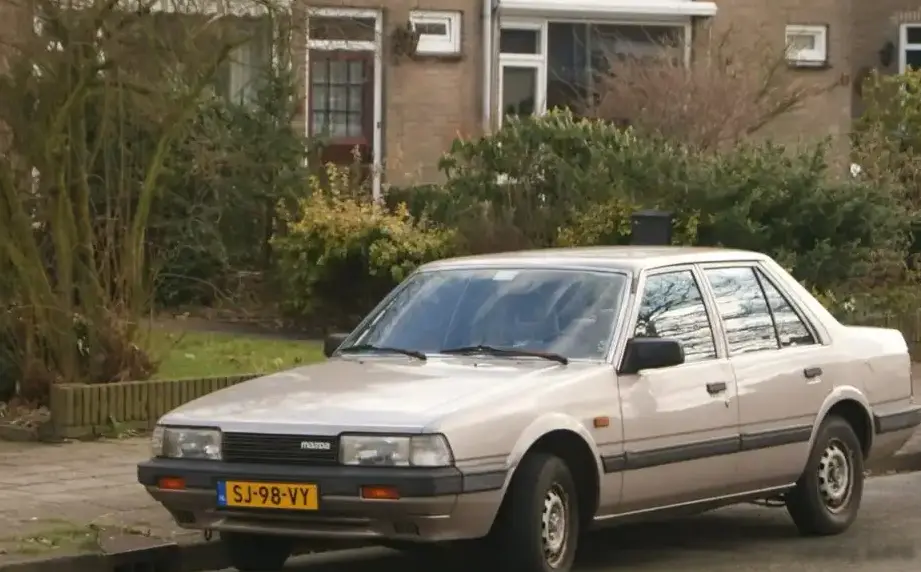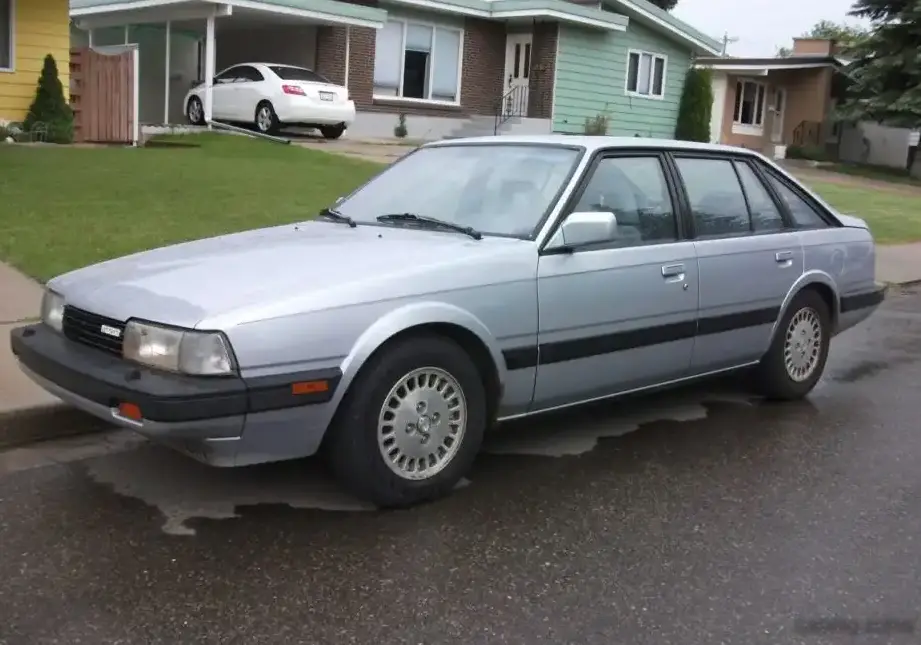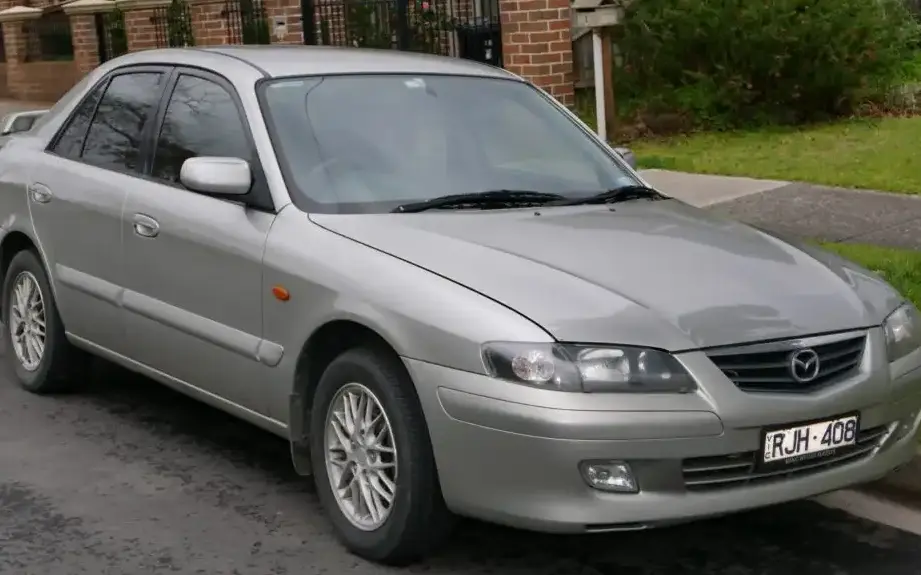
The Mazda 626 V (GF), produced between 2000 and 2002, represented the final iteration of Mazda’s long-running 626 family. Positioned as a mid-size sedan, the GF generation aimed to offer a blend of comfort, practicality, and a more refined driving experience compared to its predecessors. Within the 626 V range, the 2.5 V6 variant, boasting 167 horsepower, occupied the premium segment, offering a significant step up in performance and features over the base 2.0-liter four-cylinder models. This model was primarily sold in markets outside of North America, where Mazda focused on different models like the 6 and Protegé.
Technical Specifications
| Brand | Mazda |
| Model | 626 |
| Generation | 626 V (GF) |
| Type (Engine) | 2.5 V6 (167 Hp) |
| Start of production | 2000 year |
| End of production | 2002 year |
| Powertrain Architecture | Internal Combustion engine |
| Body type | Sedan |
| Seats | 5 |
| Doors | 4 |
| Fuel Type | Petrol (Gasoline) |
| Acceleration 0 – 100 km/h | 9.3 sec |
| Acceleration 0 – 62 mph | 9.3 sec |
| Acceleration 0 – 60 mph | 8.8 sec |
| Maximum speed | 198 km/h (123.03 mph) |
| Weight-to-power ratio | 8.5 kg/Hp, 117.2 Hp/tonne |
| Weight-to-torque ratio | 6.5 kg/Nm, 153 Nm/tonne |
| Power | 167 Hp @ 6000 rpm |
| Power per litre | 66.9 Hp/l |
| Torque | 218 Nm @ 5000 rpm (160.79 lb.-ft. @ 5000 rpm) |
| Engine layout | Front, Transverse |
| Engine Model/Code | KL |
| Engine displacement | 2497 cm3 (152.38 cu. in.) |
| Number of cylinders | 6 |
| Engine configuration | V-engine |
| Cylinder Bore | 84.5 mm (3.33 in.) |
| Piston Stroke | 74.2 mm (2.92 in.) |
| Compression ratio | 9.5:1 |
| Number of valves per cylinder | 4 |
| Fuel injection system | Multi-port manifold injection |
| Engine aspiration | Naturally aspirated engine |
| Valvetrain | DOHC |
| Engine oil capacity | 3.7 l (3.91 US qt | 3.26 UK qt) |
| Kerb Weight | 1425 kg (3141.59 lbs) |
| Trunk (boot) space – minimum | 454 l (16.03 cu. ft.) |
| Fuel tank capacity | 64 l (16.91 US gal | 14.08 UK gal) |
| Length | 4745 mm (186.81 in.) |
| Width | 1760 mm (69.29 in.) |
| Height | 1425 mm (56.1 in.) |
| Wheelbase | 2670 mm (105.12 in.) |
| Front track | 1501 mm (59.09 in.) |
| Rear (Back) track | 1490 mm (58.66 in.) |
| Drivetrain Architecture | The Internal combustion engine (ICE) drives the front wheels of the vehicle. |
| Drive wheel | Front wheel drive |
| Number of gears and type of gearbox | 5 gears, manual transmission |
| Front suspension | Coil spring |
| Rear suspension | Coil spring |
| Front brakes | Ventilated discs |
| Rear brakes | Disc |
| Assisting systems | ABS (Anti-lock braking system) |
| Steering type | Steering rack and pinion |
| Power steering | Hydraulic Steering |
| Tires size | 205/55 R16 |
| Wheel rims size | 6.5J x 16 |
Powertrain & Engine Architecture
The heart of the 626 V 2.5 V6 was the KL engine, a 2.5-liter, naturally aspirated V6. This engine featured a 60-degree V-angle, contributing to a relatively compact engine bay layout. The KL engine utilized a multi-port fuel injection system, delivering fuel directly to each intake port for optimized combustion. The double overhead camshaft (DOHC) valvetrain, with four valves per cylinder, further enhanced breathing and contributed to the engine’s respectable power output. The 5-speed manual transmission was the standard offering, providing drivers with direct control over the engine’s power. The engine’s design prioritized smooth operation and refinement over outright performance, aligning with the 626’s overall character.
Driving Characteristics
The 2.5 V6 equipped 626 offered a noticeable improvement in acceleration and overall responsiveness compared to the four-cylinder variants. The 0-60 mph time of around 8.8 seconds was competitive for its class in the early 2000s. While not a sports sedan, the V6 provided ample power for comfortable highway cruising and confident overtaking maneuvers. The 5-speed manual transmission allowed for precise gear selection, although the gear ratios were tuned for fuel efficiency and smooth operation rather than aggressive acceleration. The power delivery was linear and predictable, making it an easy car to drive in a variety of conditions. Compared to the 2.0L models, the V6 offered a more relaxed driving experience, particularly at higher speeds.
Equipment & Trim Levels
The 2.5 V6 trim typically included a higher level of standard equipment than the lower-spec models. Features commonly found in this variant included power windows, power locks, air conditioning, and a decent audio system. Interior upholstery was generally cloth, although leather options were sometimes available as an upgrade. Dashboard configuration was functional and straightforward, prioritizing ease of use over flashy design. Optional extras could include a sunroof, upgraded audio systems, and alloy wheels. The overall interior ambiance was comfortable and well-built, reflecting Mazda’s commitment to quality.
Chassis & Braking
The 626 V utilized a front-engine, front-wheel-drive layout. Suspension consisted of coil springs all around, providing a comfortable ride quality. The front suspension featured MacPherson struts, while the rear employed a multi-link setup. Braking duties were handled by ventilated discs at the front and solid discs at the rear, providing adequate stopping power for the vehicle’s weight and performance. An Anti-lock Braking System (ABS) was standard, enhancing safety and control during emergency braking situations. The steering system was a rack-and-pinion setup with hydraulic power assistance, offering precise and responsive steering feel.
Market Reception & Comparison
The Mazda 626 V 2.5 V6 was generally well-received by automotive critics. It was praised for its smooth engine, comfortable ride, and spacious interior. However, some reviewers noted that its styling was somewhat conservative compared to some of its rivals. Compared to other mid-size sedans of the time, such as the Honda Accord and Toyota Camry, the 626 V offered a more engaging driving experience, but lacked the brand recognition and resale value of its Japanese competitors. Fuel economy was reasonable for a V6 engine, but not class-leading. Reliability was generally good, although some owners reported minor issues with the electrical system.
Legacy
The Mazda 626 V 2.5 V6, while not a groundbreaking vehicle, represents a solid and dependable mid-size sedan from the early 2000s. The KL V6 engine proved to be relatively durable, and well-maintained examples can still be found on the used car market today. However, parts availability can be a challenge, as the 626 has been out of production for over two decades. The 626 V ultimately paved the way for Mazda’s more successful mid-size offerings, such as the Mazda 6, which adopted a more modern design and a stronger focus on driving dynamics. The 2.5 V6 variant remains a desirable option for enthusiasts seeking a comfortable and refined classic Mazda sedan.