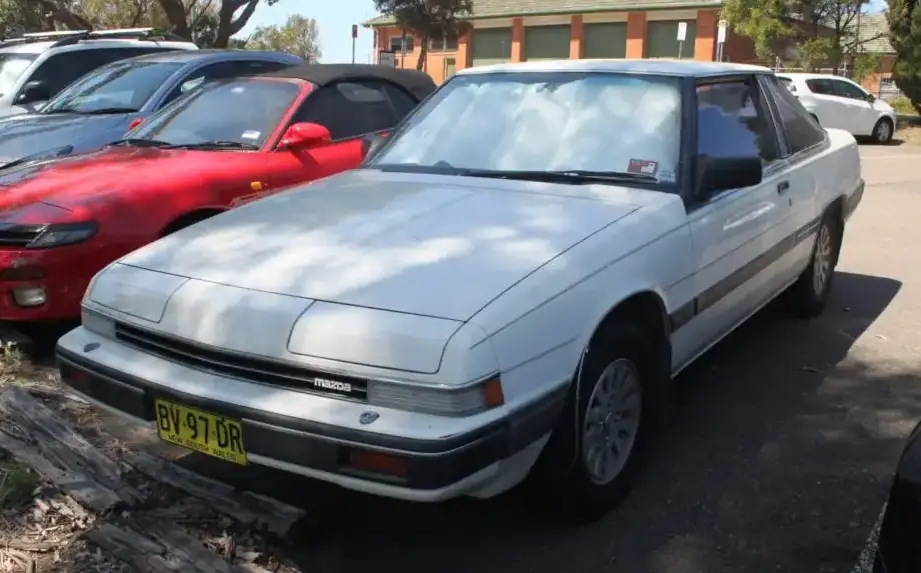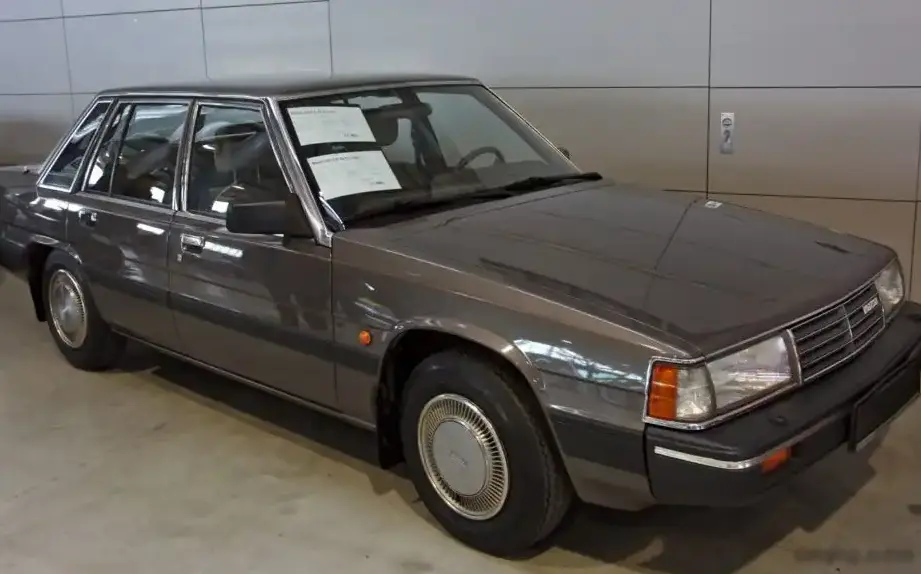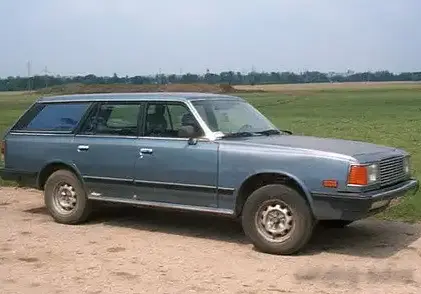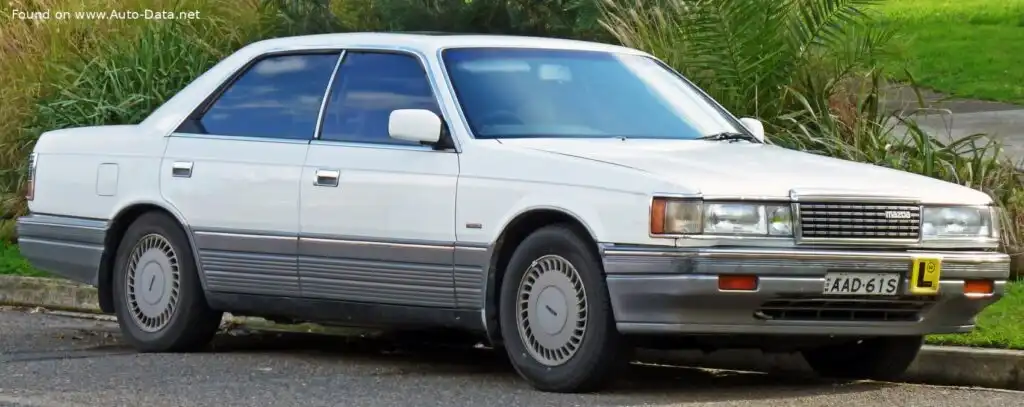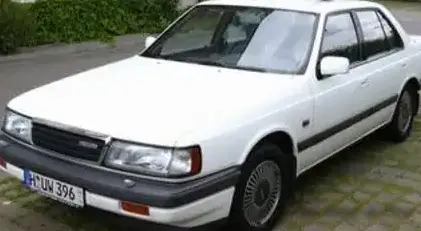
The Mazda 929, known as the Cosmo in Japan, represented Mazda’s entry into the full-size luxury sedan segment. The first generation, designated the LA series, was produced from 1982 to 1986. The 2.0 Variabel (90 hp) variant, discussed here, occupied a mid-range position within the 929 lineup, offering a balance between affordability and refinement. It was primarily aimed at buyers seeking a comfortable and well-equipped sedan without the expense of the higher-powered options. This model was significant as it showcased Mazda’s growing engineering capabilities and ambition to compete with established European and American luxury brands.
Technical Specifications
| Brand | Mazda |
| Model | 929 |
| Generation | 929 I (LA) |
| Type (Engine) | 2.0 Variabel (90 Hp) |
| Start of Production | 1982 |
| End of Production | 1986 |
| Powertrain Architecture | Internal Combustion Engine |
| Body Type | Sedan |
| Fuel Type | Petrol (Gasoline) |
| Power | 90 Hp |
| Engine Aspiration | Naturally Aspirated |
Powertrain & Engine Architecture
The 2.0 Variabel engine, internally designated as the FE, was a naturally aspirated, inline-four cylinder engine displacing 1998cc. The “Variabel” designation referred to Mazda’s variable intake system, designed to improve torque across a wider RPM range. This system utilized a mechanically controlled valve that altered the length of the intake manifold runners based on engine speed. At lower RPMs, longer runners provided increased low-end torque, while shorter runners at higher RPMs enhanced top-end power. The engine featured a single overhead camshaft (SOHC) design with two valves per cylinder. Fuel delivery was managed by a Bosch Jetronic electronic fuel injection system, a relatively sophisticated setup for the early 1980s. The engine produced 90 horsepower at 5200 rpm and approximately 128 lb-ft of torque at 3000 rpm.
The 929 2.0 Variabel was typically paired with a four-speed automatic transmission. This transmission was a conventional hydraulic automatic, offering smooth but not particularly sporty shifts. The gear ratios were geared towards comfortable cruising rather than aggressive acceleration. The automatic transmission was chosen to appeal to the target demographic of buyers prioritizing ease of use and comfort over outright performance. Manual transmission options were available in some markets, but the automatic was far more common in the US.
Driving Characteristics
The 929 2.0 Variabel offered a comfortable and refined driving experience, but it wasn’t a performance standout. Acceleration was adequate for everyday driving, with a 0-60 mph time estimated around 12-13 seconds. The automatic transmission, while smooth, did detract from the engine’s responsiveness. The variable intake system did provide a noticeable improvement in low-end torque compared to engines without this technology, making it easier to navigate city traffic. However, compared to the optional 2.2-liter engine available in some markets, the 2.0 Variabel felt noticeably less powerful. The suspension was tuned for comfort, absorbing bumps and road imperfections effectively. Steering was light and precise, making the car easy to maneuver. Overall, the driving experience was geared towards relaxed cruising and passenger comfort.
Equipment & Trim Levels
The 929 2.0 Variabel typically came well-equipped for its time. Standard features generally included power steering, power brakes, cloth upholstery, and an AM/FM stereo. Higher trim levels, often denoted by “LX” or similar designations, added features such as air conditioning, power windows, power door locks, cruise control, and upgraded interior trim. The interior design was generally conservative but well-executed, with a focus on ergonomics and build quality. Optional extras included a sunroof, leather upholstery, and upgraded sound systems. The dashboard layout was straightforward and functional, with clearly labeled controls. The 929 aimed to provide a luxurious interior experience, competing with offerings from Honda and Toyota.
Chassis & Braking
The 929 I (LA) utilized a rear-wheel-drive layout, a relatively uncommon configuration for sedans of this size in the early 1980s. The chassis was a body-on-frame construction, providing a robust and durable platform. The front suspension consisted of independent MacPherson struts, while the rear suspension employed a solid axle with leaf springs. This suspension setup prioritized ride comfort over handling precision. Braking was typically accomplished with disc brakes on the front wheels and drum brakes on the rear wheels. Power assist was standard. Stabilizer bars were fitted to both the front and rear axles to reduce body roll during cornering. The braking system was adequate for normal driving conditions, but it lacked the stopping power of more modern systems.
Market Reception & Comparison
The Mazda 929 was generally well-received by automotive critics, who praised its comfortable ride, spacious interior, and relatively affordable price. The 2.0 Variabel engine was considered adequate for most drivers, but some reviewers noted its lack of outright power compared to competitors. Fuel economy was respectable for the time, averaging around 20-25 mpg in combined driving. Compared to other trims in the 929 lineup, the 2.0 Variabel offered a more accessible entry point into the model range. It was a popular choice for buyers who wanted a comfortable and well-equipped sedan without the expense of the higher-powered options. Compared to rivals like the Toyota Cressida and Honda Accord, the 929 offered a unique blend of luxury and value.
Legacy
The Mazda 929 I (LA) 2.0 Variabel, while not a high-performance variant, remains a respected classic among Mazda enthusiasts. The FE engine, while not known for exceptional durability, is generally reliable with proper maintenance. Common issues include oil leaks and wear on the variable intake system components. Parts availability can be challenging, but many components are still available through specialist suppliers. Today, the 929 I (LA) is a relatively affordable classic car, offering a unique glimpse into Mazda’s early ambitions in the luxury sedan market. Well-maintained examples are increasingly sought after by collectors and enthusiasts who appreciate their comfortable ride, spacious interior, and distinctive styling. The 929 laid the groundwork for Mazda’s future success in the luxury car segment, paving the way for models like the 6 and the CX-9.