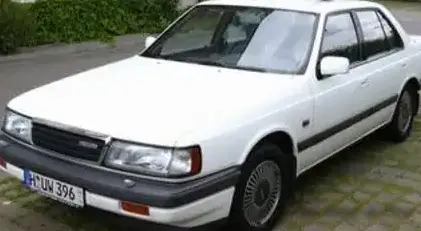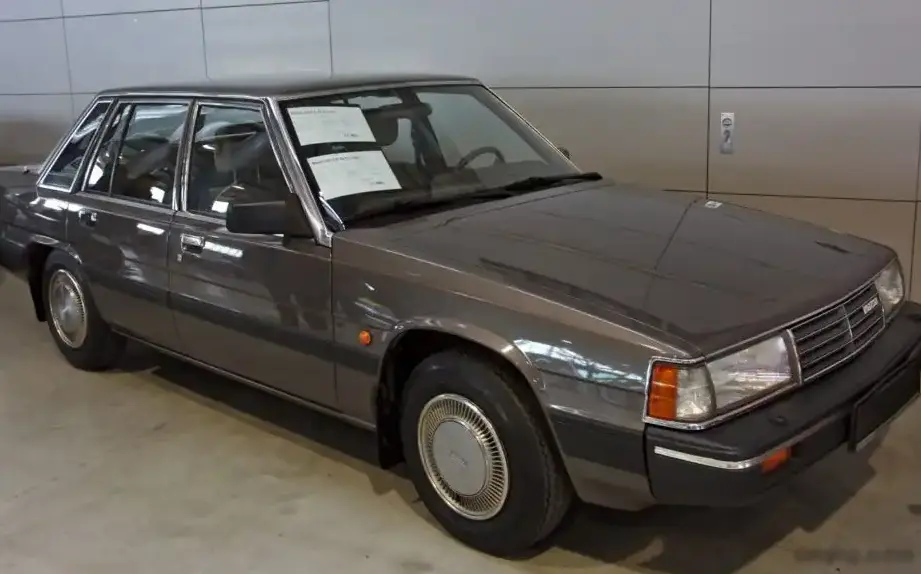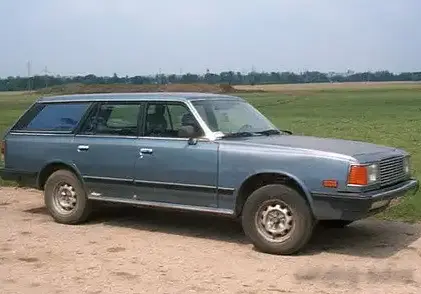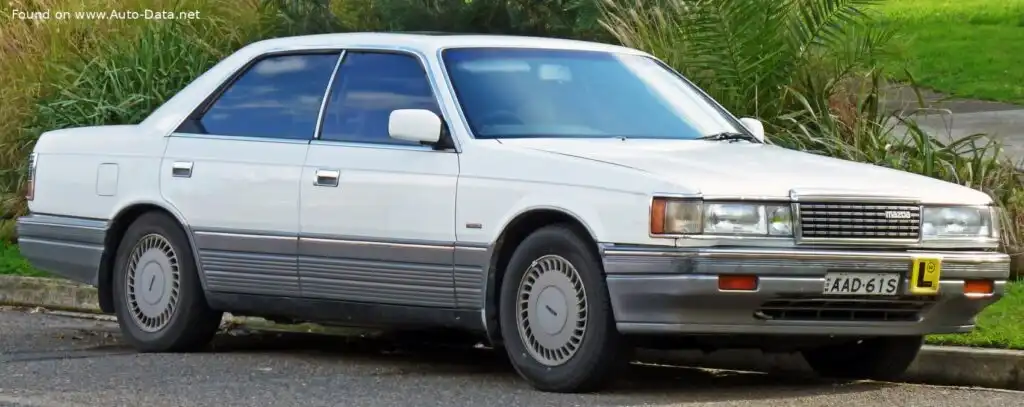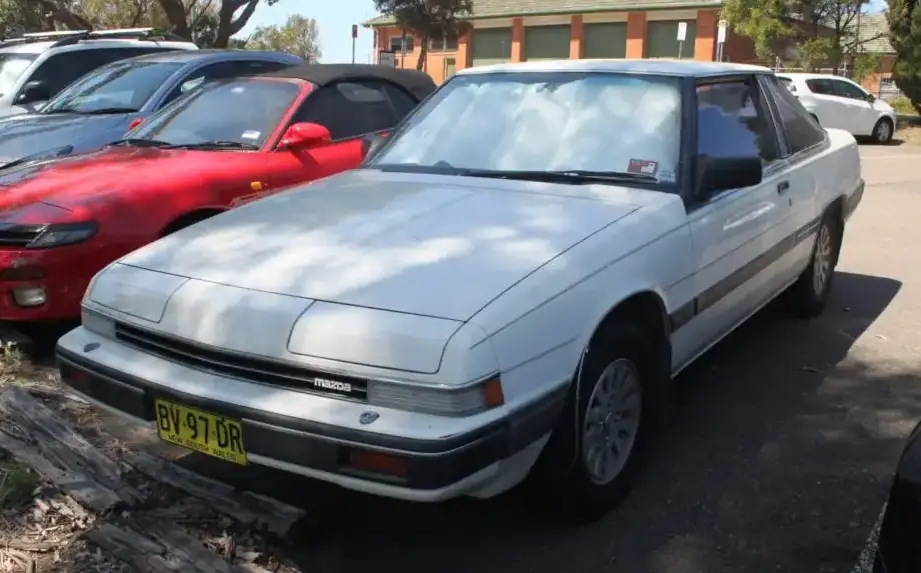
The Mazda 929 II Coupe (HB) 2.0, produced between 1984 and 1987, represented a significant step forward for Mazda in the luxury coupe segment. Positioned as a more refined and upscale offering compared to the Mazda 626, the 929 aimed to compete with established European and American grand tourers. The “HB” designation refers to the second generation of the 929, known for its sleek, aerodynamic styling and focus on comfort. This 2.0-liter, 101 horsepower variant served as the entry point into the 929 Coupe range, offering a balance of reasonable performance and fuel efficiency. It was a key model for Mazda in establishing its reputation for building sophisticated and reliable automobiles, particularly in markets outside of North America where larger, more luxurious coupes were highly sought after.
Technical Specifications
| Brand | Mazda |
| Model | 929 |
| Generation | 929 II Coupe (HB) |
| Type (Engine) | 2.0 (101 Hp) |
| Start of production | 1984 |
| End of production | 1987 |
| Powertrain Architecture | Internal Combustion engine |
| Body type | Coupe |
| Fuel Type | Petrol (Gasoline) |
| Power | 101 Hp |
| Engine aspiration | Naturally aspirated engine |
Powertrain & Engine Architecture
The heart of the 929 II Coupe 2.0 was the Mazda F engine family, specifically the FE-D variant. This 1,998 cc (121.8 cubic inch) inline-four cylinder engine utilized a cast iron block and an aluminum cylinder head. It featured a single overhead camshaft (SOHC) design operating two valves per cylinder. Fuel delivery was managed by a Bosch mechanical fuel injection system, a relatively sophisticated setup for the time, contributing to improved fuel efficiency and reduced emissions compared to carbureted engines. The FE-D engine produced 101 horsepower at 5,200 rpm and 109 lb-ft of torque at 3,000 rpm.
The transmission paired with the 2.0-liter engine was a four-speed automatic. This transmission was chosen to emphasize the car’s luxury and ease of driving characteristics. While a five-speed manual transmission was available on some 929 models, it was not typically offered with the base 2.0-liter engine. The automatic transmission featured electronic control for smoother shifting and improved responsiveness. The gear ratios were geared towards comfortable cruising rather than outright acceleration, prioritizing refinement over sporty performance.
Driving Characteristics
The 929 II Coupe 2.0 with the automatic transmission offered a comfortable and relaxed driving experience. Acceleration was adequate for highway merging and passing, but it wasn’t particularly brisk. Zero to sixty mph times were estimated to be around 11-12 seconds. The automatic transmission, while smooth, did contribute to some power loss compared to the manual transmission equipped models. The gear ratios were spaced to provide good fuel economy at cruising speeds, but downshifts could be somewhat slow and deliberate.
The suspension, comprised of independent front suspension with MacPherson struts and a solid rear axle with coil springs, provided a comfortable ride, absorbing bumps and imperfections in the road effectively. However, the handling wasn’t as sharp or responsive as some of its European competitors. The steering was power-assisted, offering light and easy maneuverability, but lacked significant road feel. Overall, the driving experience was geared towards providing a comfortable and refined grand touring experience rather than sporty performance.
Equipment & Trim Levels
The 929 II Coupe 2.0, as the entry-level trim, came reasonably well-equipped for its time. Standard features typically included power windows, power door locks, a tilt steering wheel, and air conditioning. The interior featured cloth upholstery, and the dashboard layout was designed with ergonomics in mind.
Optional extras included a sunroof, upgraded sound system, leather upholstery, and cruise control. Higher trim levels, such as the 929 Luxury, offered these features as standard, along with additional refinements like woodgrain trim and more luxurious interior materials. The base 2.0 model was aimed at buyers who wanted a stylish and comfortable coupe without the added expense of the more luxurious options.
Chassis & Braking
The 929 II Coupe utilized a unibody construction, providing a good balance of strength and rigidity. The front suspension featured MacPherson struts, coil springs, and an anti-roll bar. The rear suspension employed a solid axle with coil springs and shock absorbers.
Braking duties were handled by disc brakes on the front wheels and drum brakes on the rear wheels. This configuration was common for vehicles in this class during the mid-1980s. Power assist was standard, providing adequate stopping power for everyday driving. The braking system was generally reliable, but lacked the advanced features found on some more expensive European cars, such as anti-lock brakes (ABS).
Market Reception & Comparison
The Mazda 929 II Coupe was generally well-received by automotive critics. It was praised for its stylish design, comfortable ride, and relatively affordable price. However, some critics noted that the 2.0-liter engine felt underpowered, particularly when paired with the automatic transmission. Compared to the higher-output 2.2-liter engine available in some markets, the 2.0-liter version lacked the same level of performance.
Fuel economy was a strong point for the 929 II Coupe 2.0, averaging around 22-26 mpg in combined driving. Reliability was also a key strength, with the Mazda 929 earning a reputation for being a durable and dependable vehicle. Compared to its competitors, such as the Toyota Cressida and Nissan Maxima, the 929 offered a unique blend of style, comfort, and reliability.
Legacy
The Mazda 929 II Coupe, particularly the 2.0-liter variant, has become a sought-after classic among enthusiasts. The FE-D engine, while not known for its blistering performance, is generally considered to be a reliable and durable powerplant. Maintenance is relatively straightforward, and parts availability is still reasonable, although some components can be difficult to find.
Today, well-maintained examples of the 929 II Coupe 2.0 are appreciating in value, as collectors recognize the car’s significance as a stylish and well-engineered grand tourer from the 1980s. The car represents a pivotal moment in Mazda’s history, demonstrating the company’s ability to produce sophisticated and refined automobiles that could compete with the best in the world. Its enduring appeal lies in its combination of classic styling, comfortable driving experience, and proven reliability.