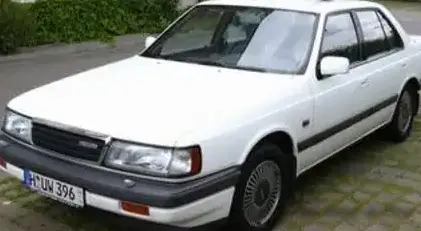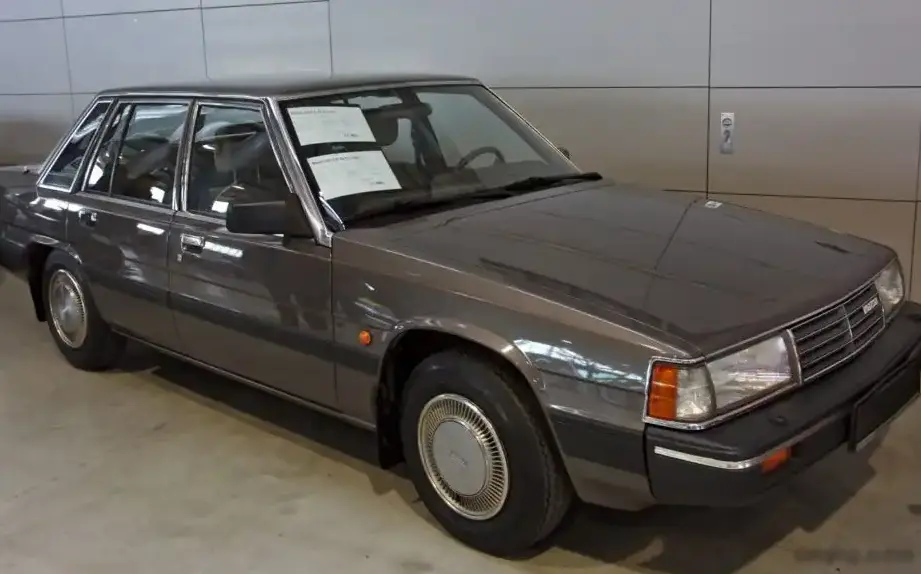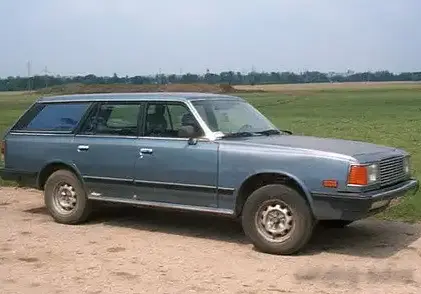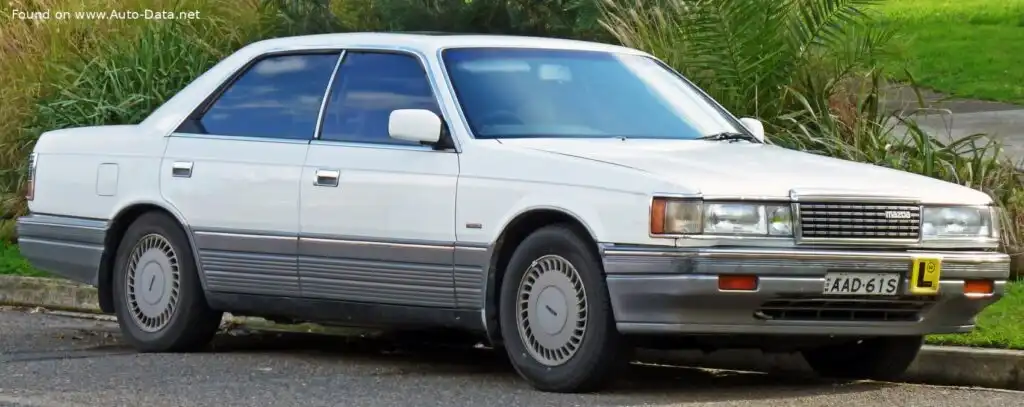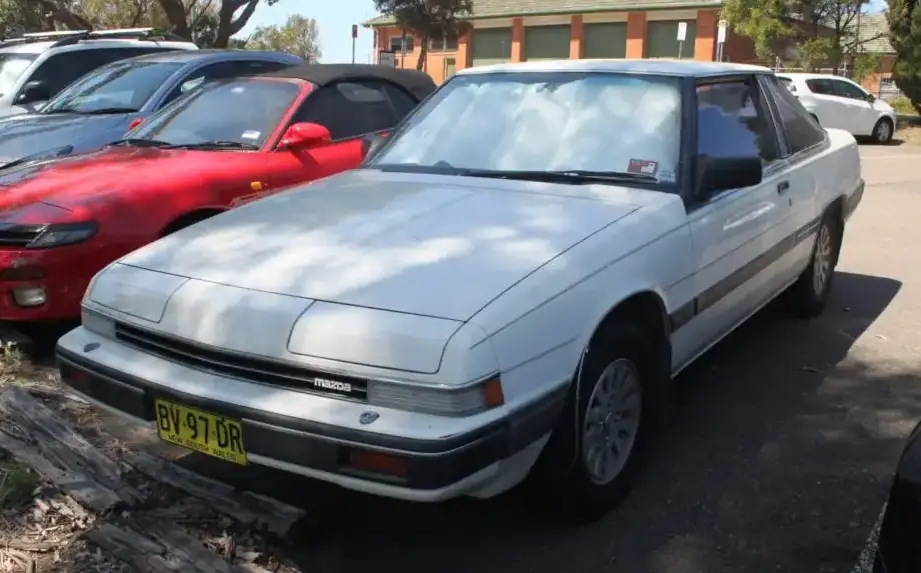
The Mazda 929 II Coupe (HB) 2.0i, produced between 1984 and 1987, represents a refined and relatively luxurious offering from Mazda during the mid-1980s. Positioned as a grand touring coupe, it aimed to compete with established European and domestic rivals in the personal luxury car segment. The “HB” designation refers to the second generation of the 929, known for its more aerodynamic styling and improved features compared to its predecessor. This 2.0-liter, 120 horsepower variant served as a core model within the 929 lineup, offering a balance of performance and fuel efficiency, though it wasn’t the top-performing trim available.
Technical Specifications
| Brand | Mazda |
| Model | 929 |
| Generation | 929 II Coupe (HB) |
| Type (Engine) | 2.0 i (120 Hp) |
| Start of production | 1984 |
| End of production | 1987 |
| Powertrain Architecture | Internal Combustion Engine |
| Body type | Coupe |
| Fuel Type | Petrol (Gasoline) |
| Power | 120 Hp |
| Engine Aspiration | Naturally Aspirated |
Powertrain & Engine Architecture
The heart of the 929 II Coupe 2.0i is Mazda’s FE engine family. Specifically, this variant utilizes the FE-D engine, a 1,998 cc (121.8 cubic inches) inline-four cylinder powerplant. This engine is naturally aspirated and features a single overhead camshaft (SOHC) design with two valves per cylinder. Fuel delivery is managed by Mazda’s electronic fuel injection (EFI) system, contributing to improved fuel economy and reduced emissions compared to earlier carbureted engines. The FE-D engine produces 120 horsepower at 5,200 rpm and 118 lb-ft of torque at 3,000 rpm.
The transmission paired with the 2.0i engine is a four-speed automatic transmission. This transmission was chosen to enhance the car’s comfort and ease of driving, aligning with its grand touring character. While not known for particularly quick shifts, it provided smooth and reliable operation. The automatic transmission’s gear ratios were tuned for a balance between acceleration and fuel efficiency, prioritizing comfortable cruising over sporty performance.
Driving Characteristics
The 120 horsepower output of the 2.0i engine, coupled with the four-speed automatic transmission, results in a driving experience geared towards comfortable cruising rather than spirited acceleration. Acceleration from 0 to 60 mph is estimated to be around 10-11 seconds, which was respectable for the era but not particularly quick compared to some competitors. The automatic transmission, while smooth, does contribute to some power loss, making the car feel less responsive than versions equipped with a five-speed manual transmission.
The 929 II Coupe’s suspension is tuned for a comfortable ride, absorbing bumps and imperfections in the road effectively. Steering is power-assisted, providing light and easy maneuverability. However, the car’s relatively large size and weight (approximately 3,000 lbs) contribute to noticeable body roll during cornering. Overall, the driving experience is best described as refined and relaxed, making it well-suited for long highway journeys.
Equipment & Trim Levels
The 929 II Coupe 2.0i was generally well-equipped for its time, offering a range of standard features designed to enhance comfort and convenience. Standard equipment typically included power windows, power door locks, power steering, air conditioning, and an AM/FM stereo radio. Upholstery consisted of cloth seats, although leather upholstery was often available as an optional extra. The dashboard layout is functional and straightforward, with clearly labeled controls.
Optional extras for the 2.0i trim could include a sunroof, upgraded stereo systems (potentially with a cassette player), cruise control, and leather upholstery. Higher trim levels, such as the 929 Luxury, offered even more features, including upgraded interior trim, premium sound systems, and additional convenience items. The 2.0i trim represented a good value proposition, offering a solid level of equipment without the higher price tag of the more luxurious trims.
Chassis & Braking
The Mazda 929 II Coupe utilizes a front-engine, rear-wheel-drive layout. The chassis is a traditional body-on-frame construction, providing a robust and durable platform. The suspension system consists of independent front suspension with MacPherson struts and a solid rear axle with leaf springs. This setup prioritizes ride comfort over handling precision.
Braking duties are handled by disc brakes on the front wheels and drum brakes on the rear wheels. Power assist is standard, providing adequate stopping power for everyday driving. While the braking system is generally reliable, it lacks the sophistication of more modern braking systems, such as anti-lock brakes (ABS), which were not widely available on vehicles of this era. Stabilizer bars are present on both the front and rear axles, helping to reduce body roll during cornering.
Market Reception & Comparison
The Mazda 929 II Coupe was generally well-received by automotive critics, who praised its stylish design, comfortable ride, and relatively affordable price. However, some critics noted that its performance was not as exciting as some of its rivals, particularly those from Europe. Compared to other trims in the 929 lineup, the 2.0i offered a more accessible entry point into the model range. The higher-output 2.6-liter engine provided significantly more power, but at a higher cost.
Fuel economy for the 2.0i variant was rated at around 18 mpg city and 25 mpg highway, which was competitive for the time. Reliability was generally good, although some owners have reported issues with the automatic transmission over the long term. Compared to competitors like the Toyota Cressida and Honda Accord Coupe, the 929 offered a unique blend of Japanese reliability and European-inspired styling.
Legacy
The Mazda 929 II Coupe, particularly the 2.0i variant, has developed a modest following among classic car enthusiasts. The FE-D engine is generally considered to be a reliable and durable powerplant, although regular maintenance is essential to prevent issues. Parts availability can be a challenge, as the car is now several decades old. However, many parts are still available through online retailers and specialist Mazda parts suppliers.
In the used car market today, well-maintained examples of the 929 II Coupe 2.0i can fetch prices ranging from $3,000 to $8,000, depending on condition and mileage. The car’s appeal lies in its classic styling, comfortable ride, and relative rarity. It represents a unique and often overlooked chapter in Mazda’s history, offering a glimpse into the company’s ambitions in the personal luxury car segment during the 1980s.