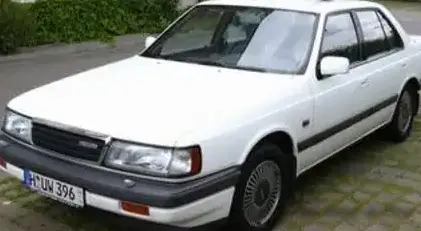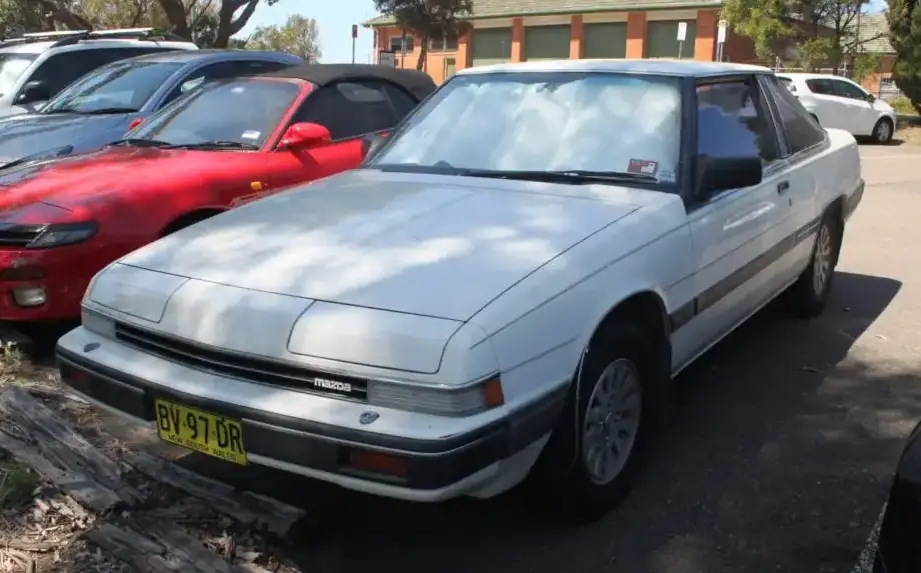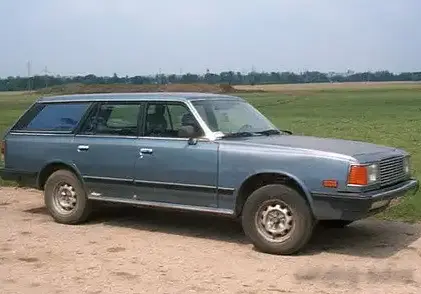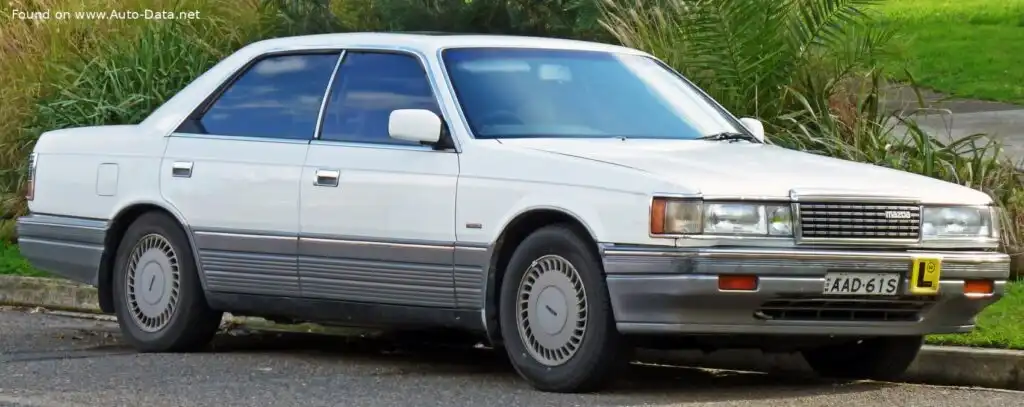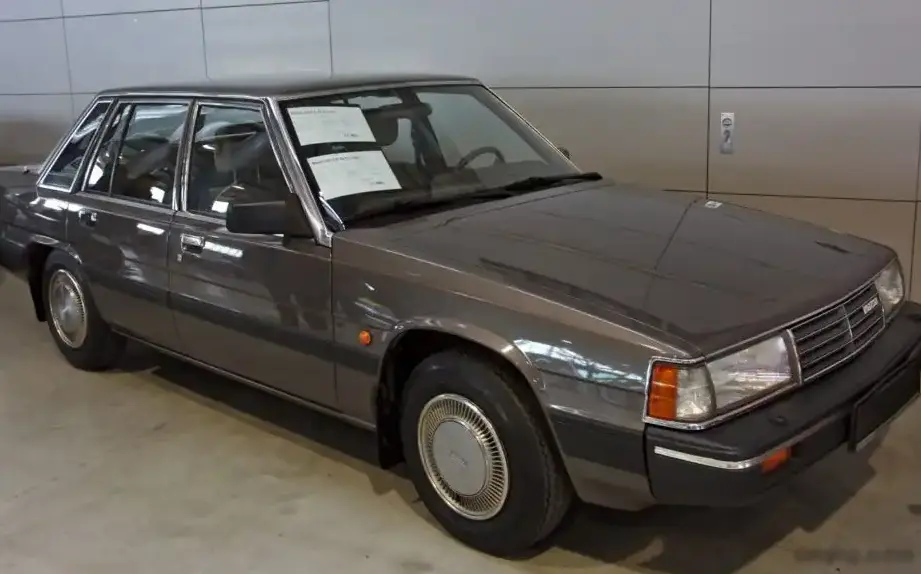
The Mazda 929 II (HB) 2.0, produced between 1984 and 1987, marked Mazda’s ambitious entry into the mid-size luxury sedan segment. This second-generation 929, internally designated as the HB chassis code, was engineered to compete with established Japanese and European rivals such as the Toyota Crown, Nissan Maxima, and BMW 5-Series. The 2.0-liter, 101 horsepower variant occupied a crucial position within the lineup, offering a compelling balance of comfort, fuel efficiency, and affordability. While larger engine options were available, the 2.0L served as the standard engine for many markets, particularly in North America and parts of Europe, providing a more accessible price point for buyers desiring a refined and spacious sedan.
Technical Specifications
| Brand | Mazda |
| Model | 929 |
| Generation | 929 II (HB) |
| Type (Engine) | 2.0 (101 Hp) |
| Start of production | 1984 |
| End of production | 1987 |
| Powertrain Architecture | Internal Combustion Engine |
| Body type | Sedan |
| Fuel Type | Petrol (Gasoline) |
| Power | 101 Hp |
| Engine Aspiration | Naturally Aspirated |
Powertrain & Engine Architecture
The heart of the 929 II 2.0 was the FE engine, a 1,998 cc (121.8 cubic inch) inline-four cylinder gasoline engine. This engine employed a cast iron block and an aluminum cylinder head, a common configuration for the era designed to balance durability with weight reduction. The FE engine featured a single overhead camshaft (SOHC) design operating two valves per cylinder. Fuel delivery was managed by a Bosch mechanical fuel injection system, representing an improvement over carburetors but less sophisticated than the electronic fuel injection systems gaining prominence in the late 1980s. While generally reliable, this mechanical system contributed to the engine’s modest power output. The engine produced 101 horsepower at 5,200 rpm and 118 lb-ft of torque at 3,000 rpm. The transmission typically paired with this engine was a four-speed automatic, although a five-speed manual transmission was offered in select markets. The automatic transmission was calibrated for smooth operation and comfort, prioritizing a relaxed driving experience over sporty performance. The FE engine was known for its relative simplicity and ease of maintenance, making it a reasonably affordable engine to maintain.
Driving Characteristics
The 101 horsepower output of the 2.0-liter engine in the 929 II resulted in a driving experience centered on comfort and refinement rather than outright speed. Acceleration was adequate for everyday driving, but overtaking maneuvers required careful planning. The four-speed automatic transmission, while smooth, featured relatively wide gear ratios, causing the engine to operate at higher rpm during highway cruising. This contributed to a noticeable level of engine noise at higher speeds. Compared to the optional 3.0-liter V6 engine available in some markets, the 2.0-liter version felt significantly less powerful. The V6 offered a more responsive and engaging driving experience, but at the cost of increased fuel consumption. The 2.0L automatic 929 was targeted towards buyers who prioritized a comfortable ride and fuel efficiency over sporty handling. The suspension, tuned for comfort, effectively absorbed bumps and road imperfections, providing a smooth and isolated ride. Steering was light and easy, simplifying maneuvering in urban environments.
Equipment & Trim Levels
The Mazda 929 II 2.0 typically came well-equipped for its time, positioning it as a premium offering. Standard features generally included power steering, power brakes, cloth upholstery, and an AM/FM stereo. Higher trim levels, often designated as “LX” or similar, added features such as power windows, power door locks, cruise control, and upgraded interior trim. Leather upholstery and a sunroof were frequently available as optional extras. The dashboard layout was clean and functional, with easy-to-read gauges and logically placed controls. Interior space was generous for a mid-size sedan, offering ample headroom and legroom for both front and rear passengers. The 929 II also featured a relatively large trunk, providing substantial cargo capacity.
Chassis & Braking
The 929 II utilized a front independent suspension with MacPherson struts and a rear independent suspension with trailing arms. This suspension setup contributed to the car’s comfortable ride quality. Braking systems varied depending on the market and trim level. Base models typically featured front disc brakes and rear drum brakes, while higher trim levels often included disc brakes on all four wheels. Power-assisted braking was standard. Stabilizer bars were fitted to both the front and rear suspensions to minimize body roll during cornering. The chassis was designed for rigidity, enhancing handling and crash safety. The 929 II’s weight, ranging from approximately 2,800 to 3,000 pounds depending on equipment, influenced its handling characteristics and braking performance.
Market Reception & Comparison
The Mazda 929 II 2.0 received generally positive reviews from automotive critics. It was praised for its comfortable ride, spacious interior, and relatively affordable price. However, the 2.0-liter engine was often criticized for its lack of power, particularly when compared to competitors offering larger displacement engines. Fuel economy was considered respectable for the time, averaging around 22-26 mpg in combined driving. Compared to the V6-powered 929 models, the 2.0-liter version offered a significant cost savings, but at the expense of performance. The 2.0L model appealed to buyers who prioritized comfort and fuel efficiency over sporty driving dynamics. Reliability was generally good, although the Bosch mechanical fuel injection system required periodic maintenance to ensure optimal performance.
Legacy
The Mazda 929 II, including the 2.0-liter variant, holds a respectable position among classic Japanese sedans. The FE engine, while not particularly powerful, proved to be durable and relatively easy to maintain. Today, locating a well-maintained 929 II 2.0 can be challenging, as many examples have been lost to time or neglect. However, those that remain are often sought after by enthusiasts who appreciate their classic styling, comfortable ride, and relative simplicity. The 929 II represented a significant advancement for Mazda in terms of design, engineering, and refinement, establishing the brand as a serious contender in the mid-size luxury sedan market. The 2.0L automatic version, while not the most exhilarating variant, provided an accessible entry point into the 929 lineup, making it a popular choice for buyers seeking a comfortable and reliable family sedan.