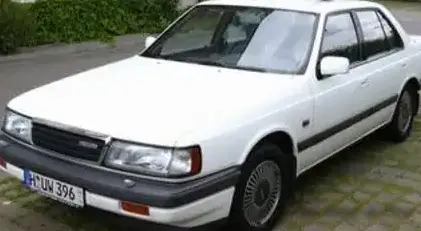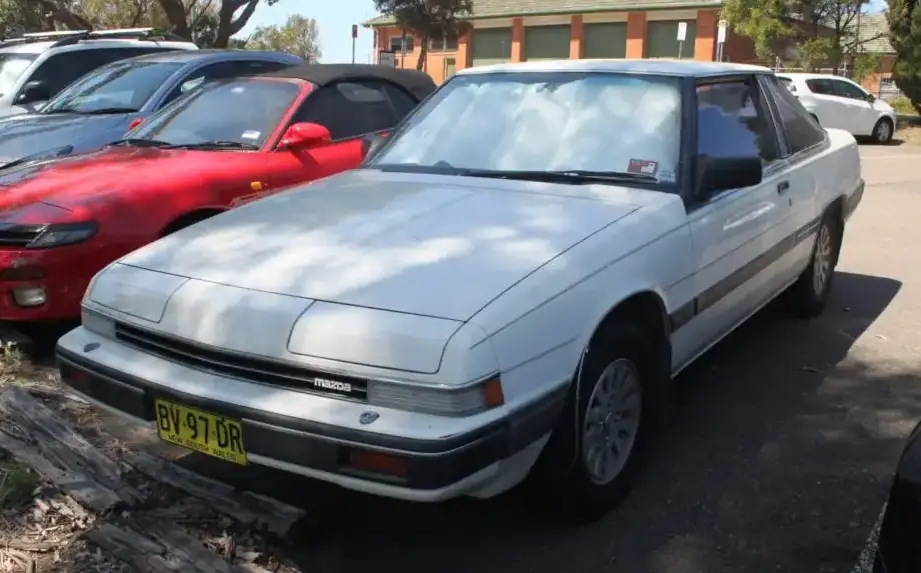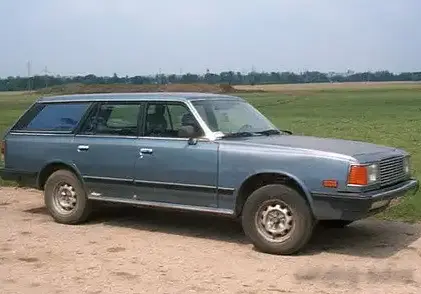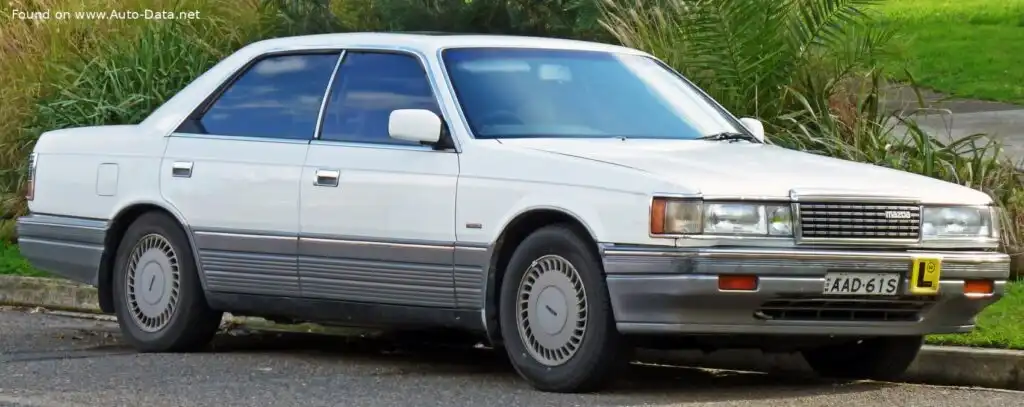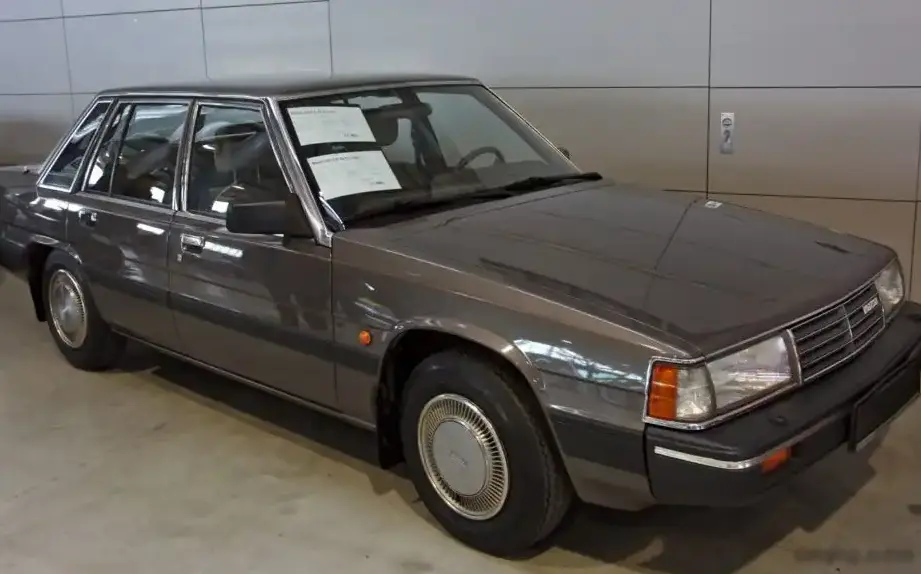
The Mazda 929 II (HB) 2.0, produced between 1982 and 1984, represented Mazda’s entry into the mid-size luxury sedan segment. This second generation 929, designated chassis code HB, aimed to provide a more refined and spacious alternative to smaller Japanese sedans, and compete with established American and European models. The 2.0-liter, 90 horsepower variant occupied the base trim level within the 929 II lineup, offering a balance of affordability and comfort. It was positioned below the more powerful, often fuel-injected, versions of the 2.0-liter engine and any available V6 options, targeting buyers prioritizing economy and a smooth driving experience over outright performance. The HB series was a significant step up in size and sophistication compared to the first-generation 929, reflecting Mazda’s growing ambitions in the global automotive market.
Technical Specifications
| Brand | Mazda |
| Model | 929 |
| Generation | 929 II (HB) |
| Type (Engine) | 2.0 (90 Hp) |
| Start of production | 1982 |
| End of production | 1984 |
| Powertrain Architecture | Internal Combustion Engine |
| Body type | Sedan |
| Fuel Type | Petrol (Gasoline) |
| Power | 90 Hp |
| Engine aspiration | Naturally Aspirated |
Powertrain & Engine Architecture
The 929 II 2.0 utilized Mazda’s FE engine family, specifically the FE-D variant. This 1997cc inline-four cylinder engine was a naturally aspirated design, featuring a cast iron block and an aluminum cylinder head. The 90 horsepower output was achieved through a relatively conservative compression ratio and a two-barrel carburetor fuel delivery system. While some later 929 models received fuel injection, the base 2.0-liter retained the carburetor for cost reasons. The engine employed a single overhead camshaft (SOHC) valvetrain, operating two valves per cylinder. This configuration prioritized simplicity and reliability over high-revving performance.
The transmission paired with this engine was typically a three-speed automatic. This automatic was chosen to enhance the comfort and ease of driving, aligning with the target demographic for this trim level. The automatic transmission featured a torque converter for smooth launches and low-speed operation. Gear ratios were geared towards fuel efficiency and relaxed cruising, rather than spirited acceleration. Manual transmission options were available on other 929 trims, but the automatic was the predominant choice for the 2.0-liter base model.
Driving Characteristics
The 929 II 2.0 with the automatic transmission delivered a comfortable, but not particularly sporty, driving experience. Acceleration was adequate for everyday driving, but the 90 horsepower and three-speed automatic limited its ability to handle steep inclines or quick overtaking maneuvers. The automatic transmission’s shift points were calibrated for smooth transitions, prioritizing comfort over responsiveness. Compared to the manual transmission versions of the 2.0-liter engine, or the higher-output, fuel-injected variants, the automatic felt noticeably slower. The suspension, tuned for ride comfort, absorbed bumps and road imperfections well, but also resulted in some body roll during cornering. The overall driving experience was geared towards providing a relaxed and refined journey, rather than engaging driving dynamics.
Equipment & Trim Levels
The base 2.0-liter 929 II typically came equipped with a reasonable level of standard features for its time. Interior upholstery was generally cloth, available in a range of conservative colors. The dashboard featured analog gauges for speed, fuel level, coolant temperature, and amperage. A basic AM/FM radio was standard, with optional upgrades to include a cassette player. Power steering was often included, but power windows and locks were typically optional extras. Air conditioning was also frequently an optional addition. The trim level focused on providing essential comfort and convenience features without the added cost of more luxurious appointments. Exterior features included standard steel wheels with hubcaps, and relatively simple exterior trim.
Chassis & Braking
The 929 II HB utilized a conventional body-on-frame construction, which was common for sedans of that era. The front suspension consisted of independent MacPherson struts, while the rear suspension employed a solid axle with leaf springs. This suspension setup prioritized ride comfort and durability. Braking was typically accomplished with disc brakes on the front wheels and drum brakes on the rear. The drum brakes on the rear were a cost-saving measure for the base model. Steering was unassisted or power-assisted depending on options. Stabilizer bars were present, but were relatively thin compared to those found on higher-spec 929 models, contributing to the car’s softer handling characteristics.
Market Reception & Comparison
The Mazda 929 II 2.0 received generally positive reviews for its spacious interior, comfortable ride, and reasonable price. However, critics often noted its lack of performance compared to competitors, particularly those offering V6 engines. The 90 horsepower output was considered adequate, but not exciting. Fuel economy was a strong point, particularly compared to larger American sedans. Compared to other trims within the 929 lineup, the 2.0-liter automatic was the most affordable, but also the least powerful and least well-equipped. The fuel-injected versions of the 2.0-liter engine offered a noticeable improvement in performance, while the V6 models provided significantly more power and a more luxurious driving experience. The 929 II 2.0 appealed to buyers seeking a comfortable and reliable mid-size sedan without breaking the bank.
Legacy
The Mazda 929 II, including the 2.0-liter variant, has developed a reputation for reasonable reliability, particularly the FE engine. While not known for exceptional longevity, the FE engine is generally considered durable and relatively easy to maintain. Parts availability can be a challenge today, as the car is now a classic. However, many parts are still available through specialist suppliers or can be sourced from other Mazda models of the same era. On the used car market, the 929 II 2.0 is often found in well-preserved condition, having been owned by careful drivers who appreciated its comfort and reliability. It represents a significant milestone in Mazda’s history, demonstrating the company’s ability to compete in the mid-size luxury sedan segment. The 929 II laid the groundwork for Mazda’s future success in the global automotive market, and remains a fondly remembered vehicle among enthusiasts.