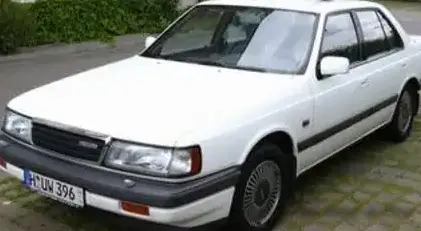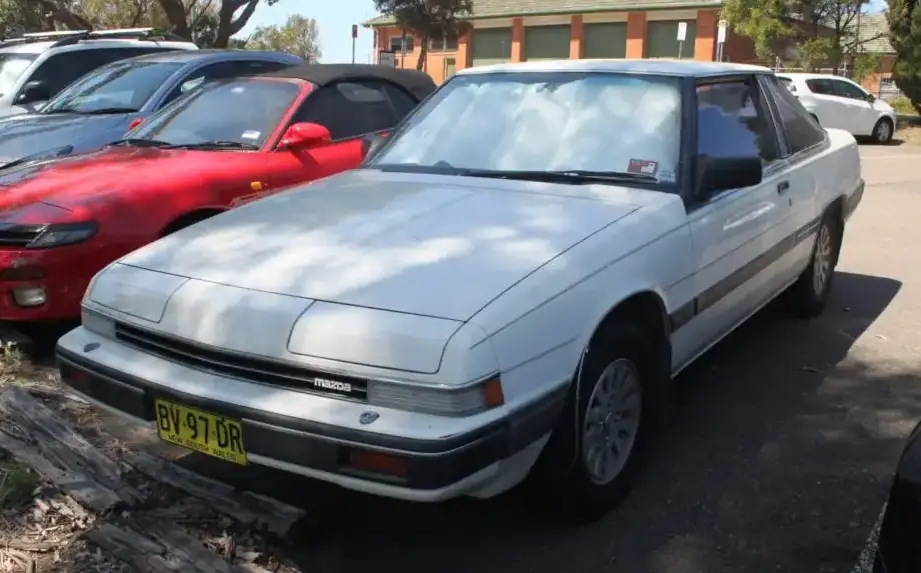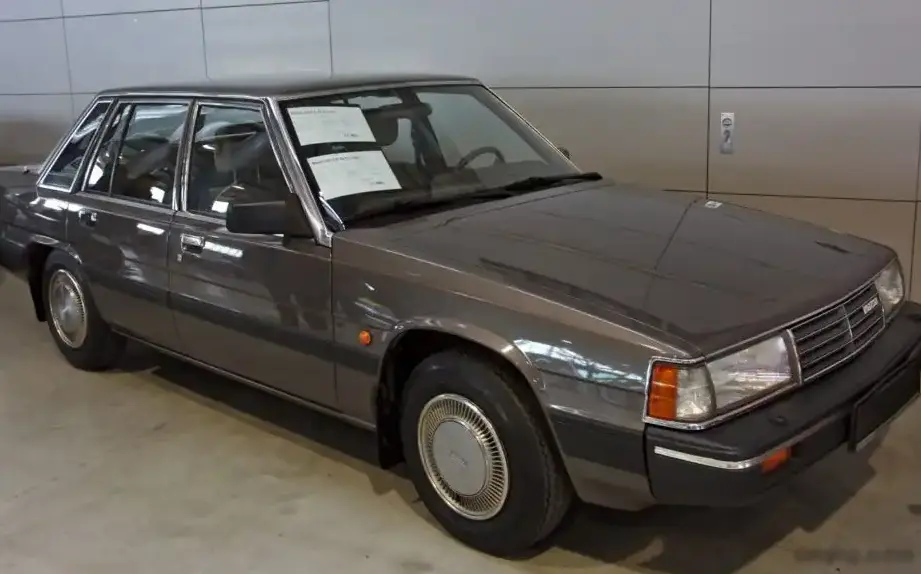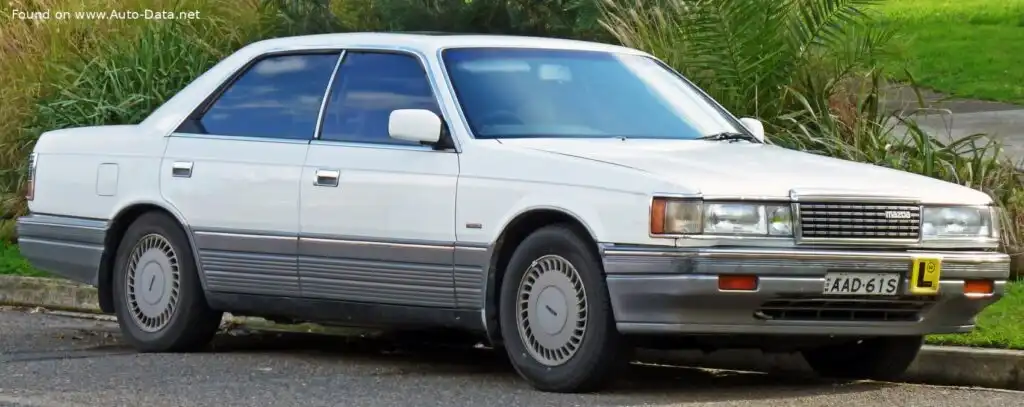
The Mazda 929 III (HC) 2.2i 12V, produced between 1989 and 1992, represented Mazda’s flagship luxury sedan during this period. Positioned as a competitor to established Japanese and European executive cars, the HC generation 929 aimed to offer a blend of comfort, technology, and refinement. This particular 2.2-liter, 12-valve variant served as a mid-range offering within the 929 lineup, slotting below the more powerful V6 options available in some markets. The 929 was never a high-volume seller in the US market, but it was a significant vehicle for establishing Mazda’s reputation for building quality automobiles.
Technical Specifications
| Brand | Mazda |
| Model | 929 |
| Generation | 929 III (HC) |
| Type (Engine) | 2.2i 12V (127 Hp) |
| Start of production | 1989 |
| End of production | 1992 |
| Powertrain Architecture | Internal Combustion engine |
| Body type | Sedan |
| Seats | 6 |
| Doors | 4 |
| Fuel consumption (urban) | 11.4 l/100 km (20.6 US mpg) |
| Fuel consumption (extra urban) | 6.9 l/100 km (34.1 US mpg) |
| Fuel consumption (combined) | 8.7 l/100 km (27 US mpg) |
| Fuel Type | Petrol (Gasoline) |
| Maximum speed | 181 km/h (112.47 mph) |
| Weight-to-power ratio | 10.2 kg/Hp |
| Weight-to-torque ratio | 6.9 kg/Nm |
| Power | 127 Hp @ 5500 rpm |
| Power per litre | 58.2 Hp/l |
| Torque | 188 Nm @ 4000 rpm (138.66 lb.-ft. @ 4000 rpm) |
| Engine layout | Front, Longitudinal |
| Engine displacement | 2184 cm3 (133.28 cu. in.) |
| Number of cylinders | 4 |
| Engine configuration | Inline |
| Cylinder Bore | 86 mm (3.39 in.) |
| Piston Stroke | 94 mm (3.7 in.) |
| Compression ratio | 9.4:1 |
| Number of valves per cylinder | 3 |
| Fuel injection system | Multi-port manifold injection |
| Engine aspiration | Naturally aspirated |
| Kerb Weight | 1300 kg (2866.01 lbs.) |
| Trunk (boot) space | 427 l (15.08 cu. ft.) |
| Fuel tank capacity | 70 l (18.49 US gal | 15.4 UK gal) |
| Length | 4690 mm (184.65 in.) |
| Width | 1695 mm (66.73 in.) |
| Height | 1427 mm (56.18 in.) |
| Wheelbase | 2710 mm (106.69 in.) |
| Front track | 1440 mm (56.69 in.) |
| Rear track | 1450 mm (57.09 in.) |
| Drivetrain Architecture | Rear wheel drive |
| Drive wheel | Rear wheel drive |
| Number of gears | 5 gears, manual transmission |
| Front suspension | Coil spring |
| Rear suspension | Coil spring |
| Front brakes | Ventilated discs |
| Rear brakes | Disc |
| Assisting systems | ABS (Anti-lock braking system) |
| Steering type | Steering rack and pinion |
| Power steering | Hydraulic Steering |
| Tires size | 195/70 R14 91 S |
| Wheel rims size | 5.5J x 14 ET 45 |
Powertrain & Engine Architecture
The heart of the 929 III 2.2i was the F2 engine, a 2.2-liter (2184 cc) inline-four cylinder gasoline engine. This engine featured a single overhead camshaft (SOHC) operating three valves per cylinder – two intake and one exhaust – a configuration that offered a good balance between performance and efficiency. The engine utilized multi-port fuel injection, contributing to smoother operation and improved fuel economy compared to earlier carbureted designs. The F2 engine produced 127 horsepower at 5500 rpm and 188 Nm (138.66 lb-ft) of torque at 4000 rpm. The engine was mounted longitudinally in the front of the vehicle, driving the rear wheels. The standard transmission for this variant was a 5-speed manual gearbox, although an automatic transmission was also available, albeit less common.
Driving Characteristics
The 929 2.2i with the 5-speed manual transmission offered a reasonably engaging driving experience. While not a sports car, the engine provided adequate power for comfortable highway cruising and city driving. Acceleration was respectable, but not particularly brisk. The rear-wheel-drive layout contributed to balanced handling, although the car’s weight (approximately 1300 kg or 2866 lbs) was noticeable in corners. The 5-speed manual transmission offered precise shifts, and the gear ratios were well-suited to the engine’s powerband. Compared to the V6 versions of the 929, the 2.2i felt less powerful, but it also offered better fuel economy and a lighter front end, which some drivers preferred. The automatic transmission, when equipped, dulled the driving experience somewhat, sacrificing some responsiveness for convenience.
Equipment & Trim Levels
The 929 III 2.2i typically came well-equipped for its time. Standard features included power windows, power locks, air conditioning, and a decent audio system. Interior upholstery was typically cloth, although leather was available as an option. The dashboard layout was functional and straightforward, with clearly marked gauges and controls. Optional extras included a sunroof, upgraded audio systems, and alloy wheels. The trim level of the 2.2i was generally considered mid-range, offering a good balance of features and affordability. It was positioned above the base models but below the more luxurious V6-powered versions.
Chassis & Braking
The 929 III featured a traditional body-on-frame construction, which contributed to its robust feel. The suspension consisted of coil springs and shock absorbers all around, providing a comfortable ride. The front suspension utilized independent double wishbones, while the rear suspension employed a solid axle. Braking duties were handled by ventilated discs at the front and solid discs at the rear. An anti-lock braking system (ABS) was standard, enhancing safety. The steering was a rack-and-pinion system with hydraulic power assistance, providing precise and effortless steering.
Market Reception & Comparison
The Mazda 929 III 2.2i received generally positive reviews from automotive critics. It was praised for its comfortable ride, spacious interior, and well-equipped features. However, some critics noted that the 2.2-liter engine lacked the refinement and power of its V6 counterparts. Fuel economy was considered good for a car of its size and class. Compared to other mid-size luxury sedans of the era, such as the Toyota Crown and Nissan Cedric, the 929 offered a competitive package in terms of features and price. The 2.2i variant was often seen as a sensible choice for buyers who prioritized fuel efficiency and affordability over outright performance.
Legacy
The Mazda 929 III, including the 2.2i variant, has developed a modest following among classic car enthusiasts. The F2 engine is generally considered reliable, although regular maintenance is essential to prevent issues. Parts availability can be a challenge, as the 929 was not a high-volume seller. However, many parts are still available through specialist suppliers and online marketplaces. Today, well-maintained examples of the 929 III 2.2i are sought after by collectors and enthusiasts who appreciate its classic styling, comfortable ride, and understated elegance. The car represents a significant chapter in Mazda’s history, demonstrating the company’s commitment to building high-quality, sophisticated automobiles.