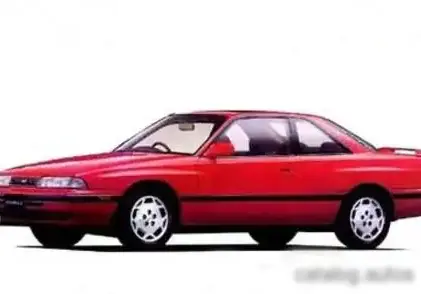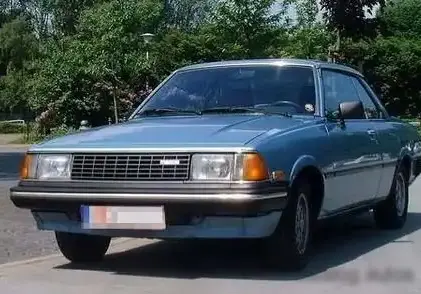
The Mazda Capella 2.0 D, producing 101 horsepower, was a variant of the Capella (also known as the 626 in some markets) produced between 1997 and 2002. This generation, known internally as the GV, represented a significant step forward for Mazda in terms of refinement and technology. The 2.0 D model occupied a position as the entry-level diesel offering within the Capella range, aimed at buyers prioritizing fuel economy and practicality over outright performance. It was primarily sold in European and Asian markets, where diesel engines held a stronger appeal due to fuel costs and taxation policies.
Technical Specifications
| Brand | Mazda |
| Model | Capella |
| Generation | Capella (GV) |
| Type (Engine) | 2.0 D (101 Hp) |
| Start of production | 1997 |
| End of production | 2002 |
| Powertrain Architecture | Internal Combustion engine |
| Body type | Sedan |
| Seats | 5 |
| Doors | 4 |
| Fuel Type | Diesel |
| Weight-to-power ratio | 12 kg/Hp, 83.5 Hp/tonne |
| Weight-to-torque ratio | 5.3 kg/Nm, 190.1 Nm/tonne |
| Power | 101 Hp @ 4000 rpm |
| Power per litre | 50.6 Hp/l |
| Torque | 230 Nm @ 2000 rpm (169.64 lb.-ft. @ 2000 rpm) |
| Engine layout | Front, Transverse |
| Engine displacement | 1998 cm3 (121.93 cu. in.) |
| Number of cylinders | 4 |
| Engine configuration | Inline |
| Cylinder Bore | 86 mm (3.39 in.) |
| Piston Stroke | 86 mm (3.39 in.) |
| Compression ratio | 18.8:1 |
| Number of valves per cylinder | 4 |
| Fuel injection system | Diesel Commonrail |
| Engine aspiration | Turbocharger |
| Valvetrain | DOHC |
| Kerb Weight | 1210 kg (2667.59 lbs.) |
| Fuel tank capacity | 60 l (15.85 US gal | 13.2 UK gal) |
| Length | 4575 mm (180.12 in.) |
| Width | 1695 mm (66.73 in.) |
| Height | 1440 mm (56.69 in.) |
| Wheelbase | 2610 mm (102.76 in.) |
| Front track | 1475 mm (58.07 in.) |
| Rear track | 1480 mm (58.27 in.) |
| Minimum turning circle | 10 m (32.81 ft.) |
| Drivetrain | Front wheel drive |
| Front brakes | Ventilated discs |
| Rear brakes | Drum |
| Tires size | 175/70 R14 |
| Wheel rims size | 5.5J x 14 ET 45 |
Powertrain & Engine Architecture
The heart of the Capella 2.0 D was a 1.998-liter, inline-four cylinder diesel engine. This engine, often identified by internal codes depending on the specific market, utilized a turbocharger and a diesel common rail fuel injection system. The common rail system allowed for precise control of fuel delivery, contributing to improved combustion efficiency and reduced emissions. The engine featured a double overhead camshaft (DOHC) valvetrain, operating four valves per cylinder. This configuration optimized gas flow, enhancing both power and torque output. The 18.8:1 compression ratio was typical for a direct injection diesel engine of this era. The engine was transversely mounted in the front of the vehicle, driving the front wheels.
Driving Characteristics
The 101 horsepower and 230 Nm (169.64 lb-ft) of torque delivered by the 2.0 D engine provided adequate, though not exhilarating, performance. Acceleration was modest, with a focus on providing sufficient power for everyday driving and highway cruising. The automatic transmission, typically a four-speed unit, was geared for fuel efficiency rather than sporty acceleration. Compared to the gasoline-powered Capellas, the 2.0 D offered significantly better fuel economy, but at the expense of responsiveness. Manual transmission versions of the 2.0 D, where available, offered slightly improved performance and driver engagement. The automatic transmission, while convenient, could feel somewhat sluggish during overtaking maneuvers.
Equipment & Trim Levels
The Capella 2.0 D typically came equipped with a reasonable level of standard features, reflecting its position as a mainstream family sedan. Standard equipment often included power windows, central locking, and air conditioning. Interior upholstery was typically cloth, with options for upgraded materials available on higher trim levels. Dashboard configuration was functional and straightforward, prioritizing ease of use. Optional extras could include alloy wheels, a sunroof, and an upgraded audio system. The specific trim levels and available options varied depending on the market.
Chassis & Braking
The Capella 2.0 D utilized a MacPherson strut front suspension and a multi-link rear suspension. This setup provided a comfortable ride quality, absorbing bumps and irregularities in the road surface effectively. Front brakes were ventilated discs, providing adequate stopping power. However, the rear brakes were typically drum brakes, which were less effective than disc brakes, particularly under heavy braking. The 175/70 R14 tires offered a good balance of comfort and grip. Stabilizer bars were fitted to both the front and rear axles to reduce body roll during cornering.
Market Reception & Comparison
The Mazda Capella 2.0 D was generally well-received by critics as a practical and fuel-efficient family sedan. It was praised for its comfortable ride, spacious interior, and reliable diesel engine. However, it was also criticized for its relatively modest performance and somewhat dated interior design. Compared to other diesel-powered sedans in its class, such as the Ford Mondeo and Volkswagen Passat, the Capella 2.0 D offered a competitive level of equipment and fuel economy. Its reliability was generally considered to be good, although some owners reported issues with the turbocharger and fuel injection system over the long term.
Legacy
The Mazda Capella 2.0 D, while not a performance icon, remains a popular choice among used car buyers seeking a reliable and economical family sedan. The 1.998-liter diesel engine, when properly maintained, is known for its durability and longevity. Parts availability is generally good, although some components may be becoming increasingly difficult to find. Today, these vehicles represent an affordable entry point into diesel ownership, offering a blend of practicality, fuel efficiency, and Mazda’s reputation for build quality. The Capella 2.0 D serves as a reminder of a time when diesel engines were becoming increasingly sophisticated and appealing to a wider range of drivers.