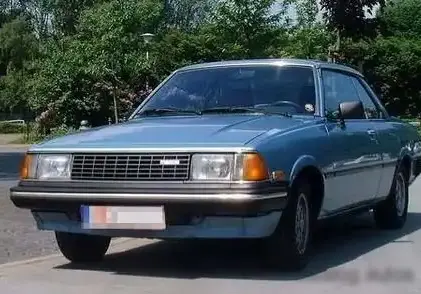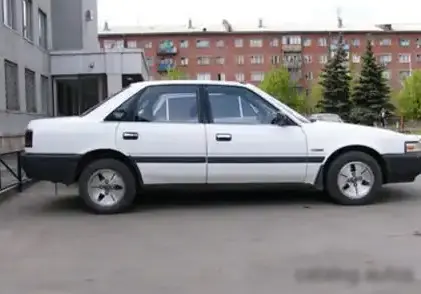
The Mazda Capella Hatchback 1.8 16V, produced between 1989 and 1994, represented a significant offering in Mazda’s lineup during that period. Part of the broader Capella generation, this five-door hatchback aimed to provide a practical and relatively sporty option for families and individuals seeking a versatile vehicle. It occupied a middle ground within the Capella range, positioned above the base models but below the more powerful and luxurious trims. The Capella, known as the 626 in North American markets, was a key model for Mazda, demonstrating their commitment to front-wheel-drive technology and modern styling. This particular 1.8L 16V variant was primarily targeted at buyers who prioritized fuel efficiency and reasonable performance over outright speed.
Technical Specifications
| Brand | Mazda |
| Model | Capella |
| Generation | Capella Hatchback |
| Type (Engine) | 1.8 16V (115 Hp) |
| Start of production | 1989 |
| End of production | 1994 |
| Powertrain Architecture | Internal Combustion engine |
| Body type | Hatchback |
| Seats | 5 |
| Doors | 5 |
| Fuel Type | Petrol (Gasoline) |
| Weight-to-power ratio | 10.3 kg/Hp, 96.6 Hp/tonne |
| Power | 115 Hp @ 6500 rpm |
| Power per litre | 64 Hp/l |
| Engine displacement | 1798 cm3 / 109.72 cu. in. |
| Number of cylinders | 4 |
| Engine configuration | Inline |
| Cylinder Bore | 83 mm / 3.27 in. |
| Piston Stroke | 83.1 mm / 3.27 in. |
| Compression ratio | 10.8:1 |
| Number of valves per cylinder | 4 |
| Fuel injection system | Multi-port manifold injection |
| Engine aspiration | Naturally aspirated engine |
| Kerb Weight | 1190 kg / 2623.5 lbs |
| Fuel tank capacity | 60 l / 15.85 US gal | 13.2 UK gal |
| Length | 4515 mm / 177.76 in. |
| Width | 1690 mm / 66.54 in. |
| Height | 1375 mm / 54.13 in. |
| Wheelbase | 2575 mm / 101.38 in. |
| Front track | 1465 mm / 57.68 in. |
| Rear (Back) track | 1465 mm / 57.68 in. |
| Drivetrain Architecture | The Internal combustion engine (ICE) drives the front wheels of the vehicle. |
| Drive wheel | Front wheel drive |
| Number of gears and type of gearbox | 5 gears, manual transmission |
| Front brakes | Ventilated discs |
| Rear brakes | Drum |
| Tires size | 185/65 R15 |
| Wheel rims size | 5.5J x 15 |
Powertrain & Engine Architecture
The heart of the Capella 1.8 16V was the Mazda F8 engine, an inline four-cylinder unit displacing 1798cc. This engine featured a 16-valve cylinder head, contributing to its improved breathing and power output compared to earlier 8-valve versions. The engine utilized multi-port fuel injection, a relatively advanced system for its time, which precisely delivered fuel into each intake port for optimized combustion. The 10.8:1 compression ratio was a balance between performance and the ability to run on the available fuel grades. The F8 engine was known for its relatively smooth operation and decent reliability. While not a high-performance engine, the 115 horsepower output at 6500 rpm provided adequate power for everyday driving. The engine was mounted longitudinally in the front of the vehicle, driving the front wheels.
Driving Characteristics
The 1.8L 16V Capella Hatchback offered a comfortable and predictable driving experience. The five-speed manual transmission allowed drivers to make the most of the engine’s powerband, although it wasn’t particularly sporty. Acceleration was adequate for merging onto highways and overtaking, but it wasn’t a particularly quick car. The gear ratios were fairly well-spaced, providing reasonable flexibility in various driving situations. Compared to the more powerful Capella variants, such as those equipped with larger engines, this 1.8L model felt less responsive. However, it offered a noticeable improvement in fuel economy. The front-wheel-drive configuration provided predictable handling, although it lacked the dynamic finesse of some rear-wheel-drive competitors.
Equipment & Trim Levels
The Capella 1.8 16V typically came with a reasonable level of standard equipment. Interior features generally included cloth upholstery, a basic stereo system, and manual windows and door locks. Air conditioning was often an optional extra, as were power windows and central locking. The dashboard layout was functional and straightforward, prioritizing usability over aesthetic flair. Higher trim levels, if available, might have included features such as upgraded stereo systems, alloy wheels, and more comfortable seating. The overall interior ambiance was practical and durable, reflecting the car’s intended role as a family vehicle.
Chassis & Braking
The Capella Hatchback utilized a MacPherson strut front suspension and a torsion beam rear suspension. This setup provided a good balance between ride comfort and handling. The front suspension featured ventilated disc brakes, offering adequate stopping power, while the rear brakes were drum brakes, a cost-saving measure common in vehicles of this class. The 185/65 R15 tires provided reasonable grip in most conditions. The chassis was relatively lightweight, contributing to the car’s fuel efficiency and maneuverability. Stabilizer bars were included to reduce body roll during cornering, enhancing handling stability.
Market Reception & Comparison
The Mazda Capella 1.8 16V was generally well-received by automotive critics as a practical and reliable family car. It was praised for its fuel efficiency, comfortable ride, and spacious interior. However, it was often criticized for its lack of outright performance compared to some of its competitors. Compared to other trims in the Capella lineup, the 1.8L model offered a more affordable entry point, appealing to budget-conscious buyers. It provided a good balance between price, fuel economy, and practicality. Against rivals like the Toyota Corolla and Honda Civic, the Capella offered a slightly more spacious interior and a more refined driving experience, but it often lacked the brand recognition of its Japanese competitors.
Legacy
The Mazda Capella 1.8 16V has proven to be a relatively durable and reliable vehicle over the long term. The F8 engine is known for its robustness, and with proper maintenance, it can withstand significant mileage. Today, these cars are becoming increasingly rare, and well-maintained examples are sought after by enthusiasts and collectors. While not a particularly valuable classic, the Capella 1.8 16V represents a significant chapter in Mazda’s history, showcasing their engineering prowess and commitment to building practical and reliable vehicles. Parts availability can be a challenge, but many components are still available through aftermarket suppliers or salvaged vehicles. The Capella remains a fondly remembered vehicle for those who owned and drove one during its production run.