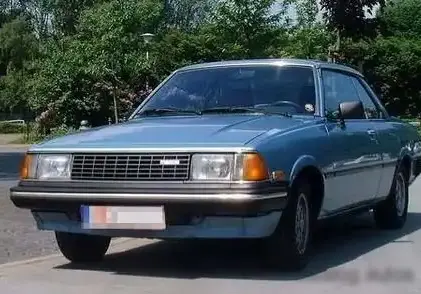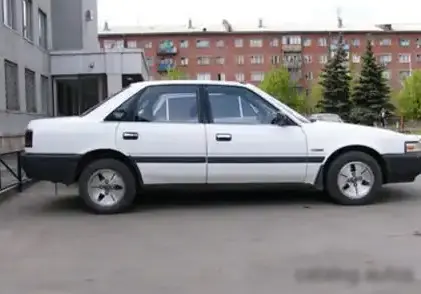
The Mazda Capella Hatchback 2.0 16V, produced between 1989 and 1994, represented a significant offering in Mazda’s lineup during that period. Positioned as a practical and relatively sporty compact, the Capella (also known as the 626 in some markets) aimed to provide a balance of fuel efficiency, interior space, and driving enjoyment. This particular 2.0-liter 16-valve variant was a mid-range option, sitting above the base models and below any potential turbocharged or higher-specification trims. It was primarily sold in markets outside of North America, where the 626 sedan was more common. The Capella Hatchback, in general, offered a more youthful and versatile alternative to the traditional sedan.
Technical Specifications
| Brand | Mazda |
| Model | Capella |
| Generation | Capella Hatchback |
| Type (Engine) | 2.0 16V (145 Hp) |
| Start of production | 1989 |
| End of production | 1994 |
| Powertrain Architecture | Internal Combustion engine |
| Body type | Hatchback |
| Seats | 5 |
| Doors | 5 |
| Fuel Type | Petrol (Gasoline) |
| Weight-to-power ratio | 8.2 kg/Hp, 121.8 Hp/tonne |
| Weight-to-torque ratio | 6.5 kg/Nm, 154.6 Nm/tonne |
| Power | 145 Hp @ 6500 rpm |
| Power per litre | 72.5 Hp/l |
| Torque | 184 Nm @ 5000 rpm (135.71 lb.-ft. @ 5000 rpm) |
| Engine layout | Front, Transverse |
| Engine displacement | 1999 cm3 (121.99 cu. in.) |
| Number of cylinders | 4 |
| Engine configuration | Inline |
| Cylinder Bore | 87.5 mm (3.44 in.) |
| Piston Stroke | 83.1 mm (3.27 in.) |
| Compression ratio | 10:1 |
| Number of valves per cylinder | 4 |
| Fuel injection system | Multi-port manifold injection |
| Engine aspiration | Naturally aspirated engine |
| Valvetrain | DOHC |
| Kerb Weight | 1190 kg (2623.5 lbs.) |
| Fuel tank capacity | 60 l (15.85 US gal | 13.2 UK gal) |
| Length | 4515 mm (177.76 in.) |
| Width | 1690 mm (66.54 in.) |
| Height | 1375 mm (54.13 in.) |
| Wheelbase | 2575 mm (101.38 in.) |
| Front track | 1465 mm (57.68 in.) |
| Rear (Back) track | 1465 mm (57.68 in.) |
| Drivetrain Architecture | The Internal combustion engine (ICE) drives the front wheels of the vehicle. |
| Drive wheel | Front wheel drive |
| Number of gears and type of gearbox | 5 gears, manual transmission |
| Front brakes | Ventilated discs |
| Rear brakes | Drum |
| Tires size | 185/65 R15 |
| Wheel rims size | 5.5J x 15 |
Powertrain & Engine Architecture
The heart of the Capella 2.0 16V was the F2 engine, a 1999cc inline-four cylinder powerplant. This engine utilized a double overhead camshaft (DOHC) valvetrain, operating four valves per cylinder, which contributed to its relatively high output for a naturally aspirated engine of that era. The multi-port fuel injection system ensured precise fuel delivery, optimizing combustion efficiency and power. The engine’s 10:1 compression ratio was a typical value for performance-oriented engines of the late 1980s and early 1990s. The F2 engine was known for its durability and relatively straightforward maintenance. The five-speed manual transmission was the standard offering, providing drivers with full control over the engine’s powerband. The transmission was designed to handle the engine’s 184 Nm (135.71 lb-ft) of torque effectively.
Driving Characteristics
The 145 horsepower and 184 Nm of torque provided by the 2.0-liter engine gave the Capella Hatchback a respectable level of performance. While not a sports car, it offered brisk acceleration and was capable of maintaining highway speeds with ease. The five-speed manual transmission allowed drivers to keep the engine in its optimal power range, resulting in a responsive driving experience. Compared to lower-powered Capella variants, the 2.0 16V offered a noticeable improvement in acceleration and overall driving enjoyment. The gear ratios were well-matched to the engine’s characteristics, providing good in-gear acceleration. The front-wheel-drive layout offered predictable handling, although it wasn’t as engaging as a rear-wheel-drive setup.
Equipment & Trim Levels
The Capella 2.0 16V typically came equipped with a reasonable level of standard features. Interior appointments generally included cloth upholstery, a basic stereo system, and manual windows and door locks. Power steering was often standard, enhancing ease of maneuverability. Optional extras could include air conditioning, upgraded stereo systems, and alloy wheels. The dashboard layout was functional and straightforward, prioritizing usability over aesthetics. Trim levels varied depending on the specific market, but the 2.0 16V generally represented a step up in terms of features compared to the base models.
Chassis & Braking
The Capella Hatchback utilized a MacPherson strut front suspension and a torsion beam rear suspension. This setup provided a good balance of ride comfort and handling. The front suspension featured ventilated disc brakes, providing adequate stopping power, while the rear brakes were drum brakes, a cost-saving measure common in vehicles of this class. The 185/65 R15 tires offered a reasonable level of grip. The chassis was relatively lightweight, contributing to the car’s nimble handling characteristics. Stabilizer bars were typically fitted to both the front and rear axles, further enhancing stability.
Market Reception & Comparison
The Mazda Capella 2.0 16V was generally well-received by automotive critics. It was praised for its responsive engine, comfortable ride, and practical hatchback body style. Compared to other vehicles in its class, such as the Ford Escort or Opel Astra, the Capella offered a more refined driving experience and a more spacious interior. Fuel economy was respectable for a 2.0-liter engine, and reliability was generally good. However, some critics noted that the interior styling was somewhat dated compared to some of its competitors. The 2.0 16V offered a compelling alternative to the base models, providing a noticeable performance boost without a significant increase in price.
Legacy
The Mazda Capella 2.0 16V has developed a modest following among enthusiasts. The F2 engine is known for its durability and relatively simple construction, making it a popular choice for engine swaps and modifications. Parts availability is generally good, although some specific components may be becoming increasingly difficult to find. In the used car market, well-maintained examples of the Capella 2.0 16V are becoming increasingly collectible. The car represents a snapshot of 1990s automotive design and engineering, offering a blend of practicality, performance, and reliability. Its enduring appeal lies in its simple, honest design and its enjoyable driving characteristics.