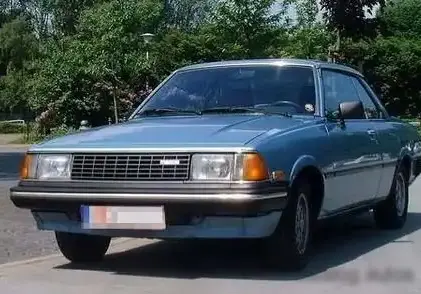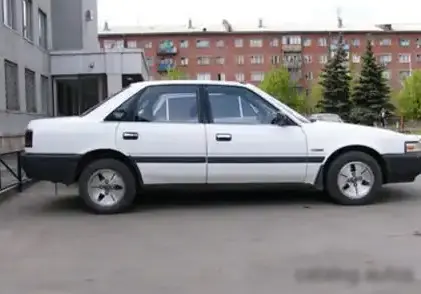
The Mazda Capella Hatchback 2.0 D (82 hp) was a variant of Mazda’s Capella line, produced between 1989 and 1994. This model represented a practical, fuel-efficient option within the Capella range, primarily aimed at buyers seeking a spacious and economical family vehicle. Positioned as an entry-level to mid-range offering, it provided a diesel-powered alternative to the gasoline engines available in the broader Capella lineup. The Capella, known as the 626 in North America, was a significant model for Mazda, representing their entry into the competitive mid-size segment. This particular hatchback body style was especially popular in European and Asian markets.
Technical Specifications
| Brand | Mazda |
| Model | Capella |
| Generation | Capella Hatchback |
| Type (Engine) | 2.0 D (82 Hp) |
| Start of production | 1989 |
| End of production | 1994 |
| Powertrain Architecture | Internal Combustion engine |
| Body type | Hatchback |
| Seats | 5 |
| Doors | 5 |
| Fuel Type | Diesel |
| Weight-to-power ratio | 14.5 kg/Hp, 68.9 Hp/tonne |
| Weight-to-torque ratio | 6.5 kg/Nm, 152.9 Nm/tonne |
| Power | 82 Hp @ 4000 rpm |
| Power per litre | 41 Hp/l |
| Torque | 182 Nm @ 2000 rpm (134.24 lb.-ft. @ 2000 rpm) |
| Engine layout | Front, Transverse |
| Engine displacement | 1998 cm3 (121.93 cu. in.) |
| Number of cylinders | 4 |
| Engine configuration | Inline |
| Cylinder Bore | 86 mm (3.39 in.) |
| Piston Stroke | 86 mm (3.39 in.) |
| Compression ratio | 21.1:1 |
| Number of valves per cylinder | 2 |
| Fuel injection system | Precombustion chamber injection |
| Engine aspiration | Naturally Aspirated |
| Valvetrain | OHC |
| Kerb Weight | 1190 kg (2623.5 lbs.) |
| Fuel tank capacity | 60 l (15.85 US gal | 13.2 UK gal) |
| Length | 4515 mm (177.76 in.) |
| Width | 1690 mm (66.54 in.) |
| Height | 1375 mm (54.13 in.) |
| Wheelbase | 2575 mm (101.38 in.) |
| Front track | 1465 mm (57.68 in.) |
| Rear track | 1465 mm (57.68 in.) |
| Drivetrain | Front wheel drive |
| Number of gears and type of gearbox | 5 gears, manual transmission |
| Front brakes | Ventilated discs |
| Rear brakes | Drum |
| Tires size | 185/65 R15 |
| Wheel rims size | 5.5J x 15 |
Powertrain & Engine Architecture
The heart of the Capella 2.0 D was a 1.998-liter inline-four cylinder diesel engine. This engine, while not particularly powerful by modern standards, was known for its durability and fuel efficiency. It utilized a precombustion chamber injection system, a common technology for diesel engines of the era. This system involved injecting fuel into a small pre-chamber within the cylinder head, where it partially combusted before being ignited in the main combustion chamber. This design aided in smoother combustion and reduced engine noise. The engine featured a single overhead camshaft (OHC) valvetrain, operating two valves per cylinder. The 82 horsepower output was achieved at 4000 rpm, while peak torque of 182 Nm (134 lb-ft) was delivered at 2000 rpm. The engine was transversely mounted in the front of the vehicle, driving the front wheels. The engine’s design prioritized longevity and low-cost maintenance over high performance, a common characteristic of European and Japanese diesel engines of the late 1980s and early 1990s.
Driving Characteristics
The 2.0 D variant of the Capella Hatchback offered a distinctly different driving experience compared to its gasoline-powered siblings. The lower horsepower and torque figures meant acceleration was modest, and overtaking required careful planning. However, the diesel engine’s strong low-end torque made it surprisingly capable in everyday driving situations. The five-speed manual transmission was well-matched to the engine’s characteristics, allowing drivers to keep the engine in its optimal power band. Compared to the more powerful gasoline versions, the 2.0 D prioritized fuel economy over outright performance. The heavier diesel engine also slightly impacted handling, making the car feel less nimble than its lighter counterparts. Steering was relatively light, making it easy to maneuver in urban environments, but lacked the feedback preferred by more enthusiastic drivers. The suspension, while comfortable, exhibited some body roll during cornering.
Equipment & Trim Levels
The Capella 2.0 D typically came with a fairly basic level of equipment, reflecting its position as an entry-level model. Standard features generally included cloth upholstery, a basic stereo system, and manual windows and door locks. Air conditioning was often an optional extra. The interior design was functional and straightforward, prioritizing practicality over luxury. Higher trim levels, if available, might have added features such as power windows, central locking, and upgraded interior trim. The hatchback body style itself offered a degree of practicality, with a reasonably sized cargo area that could be expanded by folding down the rear seats. The dashboard layout was simple and intuitive, with clearly labeled controls.
Chassis & Braking
The Capella Hatchback featured a conventional front-wheel-drive chassis with MacPherson strut suspension at the front and a twist-beam axle at the rear. The suspension was tuned for comfort rather than sporty handling. Braking duties were handled by ventilated discs at the front and drum brakes at the rear. This configuration was typical for vehicles in this class during the late 1980s and early 1990s. The 185/65 R15 tires provided adequate grip for everyday driving conditions. The car’s relatively modest weight helped to compensate for the less sophisticated rear braking system. The steering system was a rack-and-pinion setup, providing reasonable precision and feel.
Market Reception & Comparison
The Mazda Capella 2.0 D was generally well-received as a practical and economical family car. Critics praised its fuel efficiency and durability, but noted its lack of outright performance. Compared to other diesel-powered hatchbacks of the time, such as the Volkswagen Golf or Ford Escort, the Capella offered a spacious interior and a comfortable ride. However, it wasn’t as dynamically engaging as some of its rivals. The 2.0 D variant was often seen as a sensible choice for drivers who prioritized fuel economy and reliability over sporty performance. Its lower price point also made it an attractive option for budget-conscious buyers. In markets where diesel fuel was heavily taxed or less readily available, the 2.0 D saw less popularity compared to gasoline-powered versions.
Legacy
The Mazda Capella 2.0 D, while not a particularly iconic model, has proven to be a relatively reliable and durable vehicle. Many examples are still on the road today, testament to the quality of its construction. The diesel engine, while aging, is known for its longevity if properly maintained. In the used car market, these Capellas are often sought after by buyers looking for an affordable and economical vehicle. Parts availability can be a challenge, but many components are still available through specialist suppliers. The Capella 2.0 D represents a practical and understated example of 1990s automotive engineering, offering a blend of fuel efficiency, durability, and spaciousness. It serves as a reminder of a time when fuel economy and reliability were often prioritized over outright performance in family vehicles.