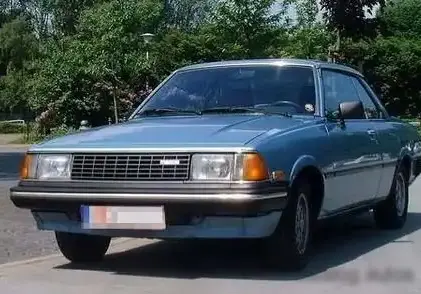
The Mazda Capella Wagon 1.8i (125 hp) was a front-wheel-drive station wagon produced between 1997 and 2002. Part of the broader Capella (also known as the 626 outside of Japan) lineage, the wagon variant offered increased practicality compared to the sedan and coupe models. This particular 1.8-liter engine and transmission combination represented a mid-range offering within the Capella Wagon lineup, positioned between the base 1.6-liter engine and the more powerful 2.0-liter variants. It was primarily sold in Japan and select export markets, offering a blend of fuel efficiency, reasonable performance, and family-oriented space.
Technical Specifications
| Brand | Mazda |
| Model | Capella |
| Generation | Capella Wagon |
| Type (Engine) | 1.8 i (125 Hp) |
| Start of production | 1997 |
| End of production | 2002 |
| Powertrain Architecture | Internal Combustion engine |
| Body type | Station wagon (estate) |
| Seats | 5 |
| Doors | 5 |
| Fuel Type | Petrol (Gasoline) |
| Weight-to-power ratio | 10.6 kg/Hp, 94.7 Hp/tonne |
| Power | 125 Hp @ 6500 rpm |
| Power per litre | 69.5 Hp/l |
| Engine displacement | 1798 cm3 / 109.72 cu. in. |
| Number of cylinders | 4 |
| Engine configuration | Inline |
| Cylinder Bore | 83 mm / 3.27 in. |
| Piston Stroke | 83.1 mm / 3.27 in. |
| Compression ratio | 10.8:1 |
| Number of valves per cylinder | 4 |
| Fuel injection system | Multi-port manifold injection |
| Engine aspiration | Naturally aspirated engine |
| Kerb Weight | 1320 kg / 2910.1 lbs |
| Fuel tank capacity | 60 l / 15.85 US gal | 13.2 UK gal |
| Length | 4665 mm / 183.66 in. |
| Width | 1965 mm / 77.36 in. |
| Height | 1510 mm / 59.45 in. |
| Wheelbase | 2670 mm / 105.12 in. |
| Front track | 1465 mm / 57.68 in. |
| Rear (Back) track | 1470 mm / 57.87 in. |
| Minimum turning circle (turning diameter) | 11 m / 36.09 ft |
| Drivetrain Architecture | The Internal combustion engine (ICE) drives the front wheels of the vehicle. |
| Drive wheel | Front wheel drive |
| Front brakes | Ventilated discs |
| Rear brakes | Drum |
| Tires size | 185/65 R15 87 S |
| Wheel rims size | 5.5J x 15 ET45 |
Powertrain & Engine Architecture
The Capella Wagon 1.8i was powered by Mazda’s F8 engine, an inline four-cylinder gasoline engine displacing 1798cc. This engine utilized a multi-port fuel injection system, delivering fuel directly into the intake ports just before the intake valves. The engine featured a single overhead camshaft (SOHC) design with four valves per cylinder, contributing to its relatively efficient operation. The compression ratio was set at 10.8:1. The engine’s output of 125 horsepower at 6500 rpm and torque figures were respectable for its displacement and intended application. The transmission paired with this engine was typically a four-speed automatic, chosen for its ease of use and suitability for family transport. This automatic transmission was electronically controlled, offering smoother shifts compared to older hydraulic systems.
Driving Characteristics
The 1.8-liter engine and four-speed automatic transmission combination in the Capella Wagon provided adequate, though not particularly sporty, performance. Acceleration was sufficient for everyday driving, but overtaking maneuvers required planning. The automatic transmission’s gear ratios were tuned for fuel economy and smooth cruising rather than outright acceleration. Compared to the manual transmission versions of the 1.8, the automatic resulted in a slight performance decrease due to the transmission’s inherent power loss. The 2.0-liter variants offered significantly more power and a more engaging driving experience, while the base 1.6-liter engine prioritized fuel efficiency over performance. The front-wheel-drive configuration provided predictable handling, although it lacked the all-weather capability of an all-wheel-drive system.
Equipment & Trim Levels
The 1.8i trim level of the Capella Wagon typically included features such as power windows, power door locks, and air conditioning as standard equipment. Interior upholstery was usually cloth, with options for upgraded materials available. The dashboard layout was functional and straightforward, prioritizing ease of use. Optional extras included a sunroof, upgraded audio system, and alloy wheels. Higher trim levels, often associated with the 2.0-liter engine, added features like leather upholstery, automatic climate control, and more advanced audio systems. The 1.8i trim aimed to strike a balance between affordability and comfort, making it a popular choice for families.
Chassis & Braking
The Capella Wagon utilized a MacPherson strut front suspension and a multi-link rear suspension, providing a comfortable ride quality. The front suspension incorporated a stabilizer bar to reduce body roll during cornering. Braking duties were handled by ventilated discs on the front wheels and drum brakes on the rear. This configuration was common for vehicles in this class during the late 1990s and early 2000s. The braking system provided adequate stopping power for normal driving conditions, but lacked the performance of fully disc brake setups. The wagon’s relatively modest weight helped to mitigate the limitations of the rear drum brakes.
Market Reception & Comparison
The Mazda Capella Wagon 1.8i was generally well-received by critics as a practical and reliable family vehicle. It offered a good amount of interior space and a comfortable ride. Fuel economy was considered to be competitive for its class. However, some reviewers noted that the 1.8-liter engine could feel underpowered when fully loaded or driving uphill. Compared to rivals like the Toyota Corolla Wagon and Nissan Sunny Wagon, the Capella Wagon offered a more stylish design and a slightly more engaging driving experience. The 1.6-liter Capella Wagon offered better fuel economy, while the 2.0-liter models provided more performance.
Legacy
The Mazda Capella Wagon, including the 1.8i variant, has developed a reputation for long-term reliability, particularly the engine and transmission. While finding parts for older models can sometimes be challenging, the F8 engine is known for its durability. In the used car market, these wagons are often sought after by those looking for an affordable and practical vehicle with a touch of Japanese engineering. The Capella Wagon represents a period when Mazda focused on building well-rounded, dependable vehicles that prioritized the needs of everyday drivers. The 1.8i trim, in particular, remains a viable option for those seeking a balance of fuel efficiency, comfort, and practicality in a classic Japanese station wagon.