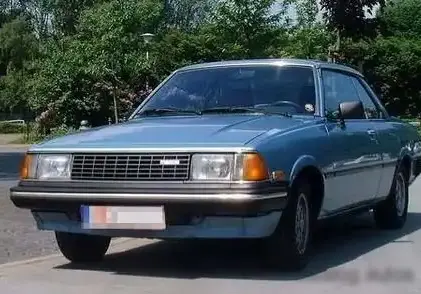
The Mazda Capella Wagon 2.0 D (101 hp) was a diesel-powered variant of the Capella Wagon, produced between 1997 and 2002. Positioned as a practical and fuel-efficient option within the broader Capella range, it catered to buyers seeking a spacious family vehicle with lower running costs. The Capella Wagon itself was Mazda’s offering in the competitive mid-size station wagon segment, primarily sold in Japan and select export markets. This 2.0 D trim represented a key part of the lineup, offering a balance between performance and economy, appealing to a different demographic than the petrol-powered versions.
Technical Specifications
| Brand | Mazda |
| Model | Capella |
| Generation | Capella Wagon |
| Type (Engine) | 2.0 D (101 Hp) |
| Start of production | 1997 year |
| End of production | 2002 year |
| Powertrain Architecture | Internal Combustion engine |
| Body type | Station wagon (estate) |
| Seats | 5 |
| Doors | 5 |
| Fuel Type | Diesel |
| Weight-to-power ratio | 13.1 kg/Hp, 76.5 Hp/tonne |
| Weight-to-torque ratio | 5.7 kg/Nm, 174.2 Nm/tonne |
| Power | 101 Hp @ 4000 rpm |
| Power per litre | 50.6 Hp/l |
| Torque | 230 Nm @ 2000 rpm (169.64 lb.-ft. @ 2000 rpm) |
| Engine layout | Front, Transverse |
| Engine displacement | 1998 cm3 (121.93 cu. in.) |
| Number of cylinders | 4 |
| Engine configuration | Inline |
| Cylinder Bore | 86 mm (3.39 in.) |
| Piston Stroke | 86 mm (3.39 in.) |
| Compression ratio | 18.8:1 |
| Number of valves per cylinder | 4 |
| Fuel injection system | Diesel Commonrail |
| Engine aspiration | Turbocharger |
| Valvetrain | DOHC |
| Kerb Weight | 1320 kg (2910.1 lbs.) |
| Fuel tank capacity | 60 l (15.85 US gal | 13.2 UK gal) |
| Length | 4665 mm (183.66 in.) |
| Width | 1965 mm (77.36 in.) |
| Height | 1510 mm (59.45 in.) |
| Wheelbase | 2670 mm (105.12 in.) |
| Front track | 1465 mm (57.68 in.) |
| Rear (Back) track | 1470 mm (57.87 in.) |
| Minimum turning circle | 11 m (36.09 ft.) |
| Drivetrain | Front wheel drive |
| Front brakes | Ventilated discs |
| Rear brakes | Drum |
| Tires size | 185/65 R15 |
| Wheel rims size | 5.5J x 15 |
Powertrain & Engine Architecture
The heart of the Capella Wagon 2.0 D was a 1998cc inline-four cylinder diesel engine. This engine utilized a turbocharger and a diesel common rail fuel injection system, a relatively modern technology for the late 1990s, contributing to improved fuel efficiency and reduced emissions. The engine code is not widely documented, but it falls within the generation of Mazda’s diesel engines developed during this period. The double overhead camshaft (DOHC) valvetrain, with four valves per cylinder, helped optimize airflow and enhance combustion efficiency. The high compression ratio of 18.8:1 was typical for diesel engines of the time, maximizing energy extraction from the fuel. While specific transmission details varied by market, the 2.0 D was commonly paired with a four-speed automatic transmission, designed for smooth and comfortable operation.
Driving Characteristics
The 101 hp output and 230 Nm (169.64 lb-ft) of torque delivered by the 2.0 D engine provided adequate, though not exhilarating, performance for the Capella Wagon. The automatic transmission, while offering convenience, did impact acceleration compared to the available manual transmission options. Real-world driving revealed a focus on usability rather than sporty handling. The engine provided sufficient power for highway cruising and everyday commuting, but overtaking maneuvers required careful planning. The four-speed automatic’s gear ratios were tuned for fuel economy, resulting in a relatively relaxed driving experience. Compared to the petrol-powered Capella Wagons, the 2.0 D offered significantly better fuel economy, but at the expense of outright speed.
Equipment & Trim Levels
The 2.0 D trim of the Capella Wagon typically included features such as power windows, power steering, central locking, and an air conditioning system. Interior upholstery was generally cloth, with a functional and durable design. Dashboard configuration was straightforward, prioritizing ease of use. Optional extras available for this trim could include alloy wheels, a CD player, and upgraded audio systems. The 2.0 D often served as a mid-range offering, positioned above base models but below more luxurious trims with features like leather seats and advanced audio systems.
Chassis & Braking
The Capella Wagon 2.0 D utilized a front-wheel-drive chassis with independent suspension at the front and a semi-independent torsion beam suspension at the rear. The front brakes were ventilated discs, providing good stopping power, while the rear brakes were drums, a cost-saving measure common in this class of vehicle. Stabilizer bars were fitted to both the front and rear axles to reduce body roll during cornering. The suspension setup was tuned for comfort, prioritizing a smooth ride over sporty handling. The 185/65 R15 tires on 5.5J x 15 steel or alloy wheels provided a reasonable balance between grip and ride quality.
Market Reception & Comparison
The Mazda Capella Wagon 2.0 D was generally well-received in markets where diesel station wagons were popular. Critics praised its fuel efficiency and spacious interior, making it a practical choice for families. However, some reviewers noted that the engine lacked the refinement and power of some of its competitors. Compared to other trims in the Capella lineup, the 2.0 D offered a compelling value proposition for buyers prioritizing economy and practicality. The petrol-powered versions offered more performance, while the diesel provided superior fuel consumption. Reliability was generally good, with the diesel engine proving to be durable and long-lasting.
Legacy
The Mazda Capella Wagon 2.0 D, while not a performance icon, has established a reputation as a reliable and practical family vehicle. In the used car market, these wagons are often sought after by buyers looking for an affordable and fuel-efficient option. The diesel engine, when properly maintained, can provide many years of service. The Capella Wagon 2.0 D represents a significant example of Mazda’s commitment to building versatile and dependable vehicles during the late 1990s and early 2000s. Its blend of practicality, fuel efficiency, and reasonable comfort continues to appeal to a niche market of buyers today.