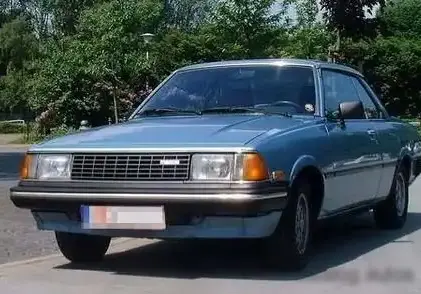
The Mazda Capella Wagon 2.0 D (82 hp) was a variant of the Capella Wagon, produced between 1988 and 1997. Positioned as an economical and practical option within the broader Capella range, this model catered to buyers seeking a spacious, diesel-powered station wagon. It was primarily sold in markets where diesel engines were favored for their fuel efficiency, particularly in Europe and Japan. The Capella Wagon itself represented Mazda’s entry into the competitive mid-size wagon segment, offering a blend of practicality and relatively modern styling for its time. This specific 2.0 D variant occupied the lower end of the Capella Wagon lineup, offering a more affordable alternative to the gasoline-powered models.
Technical Specifications
| Brand | Mazda |
| Model | Capella |
| Generation | Capella Wagon |
| Type (Engine) | 2.0 D (82 Hp) |
| Start of production | 1988 year |
| End of production | 1997 year |
| Powertrain Architecture | Internal Combustion engine |
| Body type | Station wagon (estate) |
| Seats | 5 |
| Doors | 5 |
| Fuel Type | Diesel |
| Weight-to-power ratio | 15.1 kg/Hp, 66.1 Hp/tonne |
| Weight-to-torque ratio | 6.8 kg/Nm, 146.8 Nm/tonne |
| Power | 82 Hp @ 4000 rpm |
| Power per litre | 41 Hp/l |
| Torque | 182 Nm @ 2000 rpm (134.24 lb.-ft. @ 2000 rpm) |
| Engine layout | Front, Transverse |
| Engine displacement | 1998 cm3 (121.93 cu. in.) |
| Number of cylinders | 4 |
| Engine configuration | Inline |
| Cylinder Bore | 86 mm (3.39 in.) |
| Piston Stroke | 86 mm (3.39 in.) |
| Compression ratio | 21.1:1 |
| Number of valves per cylinder | 2 |
| Fuel injection system | Precombustion chamber injection |
| Engine aspiration | Naturally Aspirated |
| Valvetrain | OHC |
| Kerb Weight | 1240 kg (2733.73 lbs.) |
| Fuel tank capacity | 60 l (15.85 US gal | 13.2 UK gal) |
| Length | 4590 mm (180.71 in.) |
| Width | 1690 mm (66.54 in.) |
| Height | 1430 mm (56.3 in.) |
| Wheelbase | 2575 mm (101.38 in.) |
| Front track | 1455 mm (57.28 in.) |
| Rear (Back) track | 1465 mm (57.68 in.) |
| Minimum turning circle | 10 m (32.81 ft.) |
| Drivetrain | Front wheel drive |
| Number of gears and type of gearbox | 5 gears, manual transmission |
| Front brakes | Ventilated discs |
| Rear brakes | Drum |
| Tires size | 185/70 R14 |
| Wheel rims size | 5.5J x 14 |
Powertrain & Engine Architecture
The heart of the Capella Wagon 2.0 D was a 1.998-liter inline-four cylinder diesel engine. This engine, often identified by internal codes depending on the specific market, utilized a precombustion chamber injection system. This system, common in diesel engines of the era, involved injecting fuel into a small pre-chamber within the cylinder head, where it partially combusted before igniting the main charge. This design aided in smoother combustion and reduced engine noise compared to direct injection systems. The engine featured a single overhead camshaft (OHC) valvetrain operating two valves per cylinder. While 82 horsepower at 4000 rpm might seem modest by modern standards, the engine’s 182 Nm (134 lb-ft) of torque, available from 2000 rpm, provided reasonable pulling power for everyday driving and hauling loads. The engine was transversely mounted in the front of the vehicle, driving the front wheels.
Driving Characteristics
The 2.0 D variant of the Capella Wagon prioritized fuel economy and practicality over outright performance. The 5-speed manual transmission was the only option available with this engine. Acceleration was leisurely, with a focus on providing sufficient torque for comfortable cruising and carrying passengers or cargo. The gear ratios were tuned to maximize fuel efficiency, meaning the engine didn’t rev particularly high. Compared to the gasoline-powered Capella Wagons, the diesel model offered significantly better fuel economy but lacked the responsiveness and higher top speed of its petrol counterparts. The diesel’s torque delivery, however, made it a capable tow vehicle for smaller trailers.
Equipment & Trim Levels
The 2.0 D trim level of the Capella Wagon was generally considered the base model. Standard equipment typically included cloth upholstery, basic instrumentation, and manual windows and door locks. Air conditioning was often an optional extra, as were power windows and a more advanced audio system. The interior design was functional and durable, reflecting the car’s practical focus. Exterior features were similarly straightforward, with steel wheels and relatively simple trim. The emphasis was on providing a no-frills, reliable wagon at an affordable price point.
Chassis & Braking
The Capella Wagon 2.0 D utilized a conventional front-wheel-drive chassis with MacPherson strut front suspension and a twist-beam rear axle. The suspension was tuned for comfort rather than sporty handling. Braking duties were handled by ventilated discs on the front wheels and drum brakes on the rear. This configuration was typical for vehicles in this class and price range during the late 1980s and 1990s. The steering was typically unassisted, providing a direct feel but requiring more effort at low speeds.
Market Reception & Comparison
The Mazda Capella Wagon 2.0 D was generally well-received in markets where diesel station wagons were popular. Critics praised its fuel efficiency, spacious interior, and practical design. However, the engine’s relatively low power output and somewhat noisy operation were common criticisms. Compared to other diesel wagons of the time, such as the Ford Sierra Estate or the Volkswagen Passat Variant, the Capella Wagon offered a competitive level of equipment and a reputation for reliability. The 2.0 D model was often seen as a more sensible and economical alternative to the higher-spec gasoline versions of the Capella Wagon.
Legacy
The Mazda Capella Wagon 2.0 D, while not a performance icon, has proven to be a durable and reliable vehicle. Many examples are still on the road today, a testament to the robustness of its diesel engine and overall construction. In the used car market, these wagons are often sought after by those looking for a simple, affordable, and fuel-efficient vehicle. The diesel engine, while not particularly refined by modern standards, is known for its longevity and relatively low maintenance costs. The Capella Wagon 2.0 D represents a practical and understated example of 1990s automotive engineering, offering a blend of space, economy, and reliability that continues to appeal to a niche market of buyers.