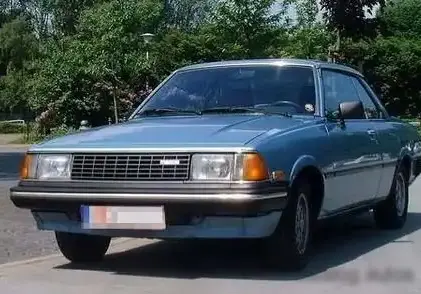
The Mazda Capella Wagon 2.5i, produced between 1997 and 2002, was a significant offering in Mazda’s lineup, particularly in markets outside of North America where wagons remained popular. This variant, distinguished by its 2.5-liter V6 engine producing 200 horsepower, occupied a mid-to-upper position within the Capella Wagon range, offering a blend of practicality, performance, and relative luxury. It was part of the broader Capella (also known as the 626 in some regions) generation, known for its comfortable ride and spacious interior. The Capella Wagon aimed to provide a family-oriented vehicle with a more engaging driving experience than many of its competitors.
Technical Specifications
| Brand | Mazda |
| Model | Capella |
| Generation | Capella Wagon |
| Type (Engine) | 2.5 i (200 Hp) |
| Start of production | 1997 |
| End of production | 2002 |
| Powertrain Architecture | Internal Combustion engine |
| Body type | Station wagon (estate) |
| Seats | 5 |
| Doors | 5 |
| Fuel Type | Petrol (Gasoline) |
| Weight-to-power ratio | 6.6 kg/Hp, 151.5 Hp/tonne |
| Weight-to-torque ratio | 5.9 kg/Nm, 169.7 Nm/tonne |
| Power | 200 Hp @ 6500 rpm |
| Power per litre | 80.1 Hp/l |
| Torque | 224 Nm @ 5500 rpm (165.21 lb.-ft. @ 5500 rpm) |
| Engine layout | Front, Transverse |
| Engine displacement | 2497 cm3 (152.38 cu. in.) |
| Number of cylinders | 6 |
| Engine configuration | V-engine |
| Cylinder Bore | 84.5 mm (3.33 in.) |
| Piston Stroke | 74.2 mm (2.92 in.) |
| Compression ratio | 9.2:1 |
| Number of valves per cylinder | 4 |
| Fuel injection system | Multi-port manifold injection |
| Engine aspiration | Naturally aspirated engine |
| Valvetrain | DOHC |
| Kerb Weight | 1320 kg (2910.1 lbs.) |
| Fuel tank capacity | 60 l (15.85 US gal | 13.2 UK gal) |
| Length | 4665 mm (183.66 in.) |
| Width | 1965 mm (77.36 in.) |
| Height | 1510 mm (59.45 in.) |
| Wheelbase | 2670 mm (105.12 in.) |
| Front track | 1465 mm (57.68 in.) |
| Rear (Back) track | 1470 mm (57.87 in.) |
| Minimum turning circle | 11 m (36.09 ft.) |
| Drivetrain | Front wheel drive |
| Front brakes | Ventilated discs |
| Rear brakes | Drum |
| Tires size | 185/65 R15 |
| Wheel rims size | 5.5J x 15 |
Powertrain & Engine Architecture
The heart of the Capella Wagon 2.5i was the Mazda KJ-ZE 2.5-liter V6 engine. This engine, a naturally aspirated powerplant, utilized a 60-degree V-configuration for smooth operation and a relatively compact footprint. It featured a double overhead camshaft (DOHC) valvetrain with four valves per cylinder, contributing to its respectable power output. The engine employed multi-port fuel injection, delivering fuel directly to each intake port for optimized combustion. The 9.2:1 compression ratio was a balance between performance and reliability, allowing the engine to run on readily available gasoline grades. The engine was transversely mounted in the front of the vehicle, driving the front wheels. While a five-speed manual transmission was available on some Capella models, the 2.5i was typically paired with a four-speed automatic transmission. This automatic, while providing convenience, wasn’t known for its particularly sporty shift characteristics, prioritizing smooth transitions over aggressive downshifts.
Driving Characteristics
The 200 horsepower and 224 Nm (165 lb-ft) of torque provided by the 2.5-liter V6 gave the Capella Wagon 2.5i a noticeable performance advantage over lower-spec models. Acceleration was brisk, making highway merging and overtaking maneuvers relatively effortless. However, the four-speed automatic transmission limited the engine’s ability to stay in its optimal power band, particularly during spirited driving. The gear ratios were geared towards fuel efficiency and comfortable cruising rather than outright performance. Compared to a manual transmission equipped Capella, the automatic version felt somewhat less responsive. The front-wheel-drive configuration provided predictable handling, but lacked the all-weather capability of an all-wheel-drive system, which wasn’t offered on this model. The suspension was tuned for comfort, resulting in a softer ride quality that absorbed bumps well, but didn’t offer the same level of control as sport-tuned suspensions.
Equipment & Trim Levels
The 2.5i trim generally represented a well-equipped version of the Capella Wagon. Standard features typically included power windows, power locks, air conditioning, and an upgraded audio system. Interior upholstery was usually cloth, though leather options were sometimes available as an upgrade. The dashboard layout was functional and ergonomically designed, with easy-to-read gauges and logically placed controls. Optional extras could include a sunroof, alloy wheels, and a more advanced sound system. The overall interior ambiance aimed for comfort and practicality, rather than outright luxury. Higher trim levels sometimes included features like automatic climate control and upgraded interior trim materials.
Chassis & Braking
The Capella Wagon utilized a MacPherson strut front suspension and a multi-link rear suspension, providing a comfortable and controlled ride. The suspension was tuned to prioritize ride quality over sporty handling. Front brakes were ventilated discs, offering adequate stopping power, while the rear brakes were drum brakes, a cost-saving measure common in this class of vehicle. The 185/65 R15 tires provided a good balance of grip and ride comfort. Stabilizer bars were fitted to both the front and rear axles to reduce body roll during cornering. The steering was power-assisted, providing light and easy steering feel, suitable for everyday driving.
Market Reception & Comparison
The Mazda Capella Wagon 2.5i was generally well-received by automotive critics as a practical and comfortable family vehicle. The V6 engine was praised for its smooth operation and adequate power, although some reviewers noted the automatic transmission could feel somewhat dated. Compared to other wagons in its class, such as the Toyota Avensis Wagon or the Ford Mondeo Wagon, the Capella offered a more engaging driving experience and a more stylish exterior design. Fuel economy was reasonable for a V6 engine, but not class-leading. Reliability was generally good, although some owners reported minor issues with the automatic transmission over the long term. The Capella Wagon offered a compelling alternative to more mainstream family vehicles, appealing to buyers who wanted a bit more personality and driving enjoyment.
Legacy
The Mazda Capella Wagon 2.5i, while not a high-volume seller in many markets, has developed a following among enthusiasts who appreciate its blend of practicality, performance, and reliability. The KJ-ZE V6 engine is known for its durability, and well-maintained examples can still provide years of reliable service. In the used car market, these wagons are often sought after by those looking for a comfortable and spacious family vehicle with a touch of personality. Parts availability can be a concern in some regions, but generally, the Capella Wagon is a relatively easy vehicle to maintain and repair. The Capella Wagon 2.5i represents a solid example of Mazda’s commitment to building well-engineered and enjoyable-to-drive vehicles. It remains a fondly remembered vehicle for those who owned and drove it, and a potentially rewarding find for classic car enthusiasts.