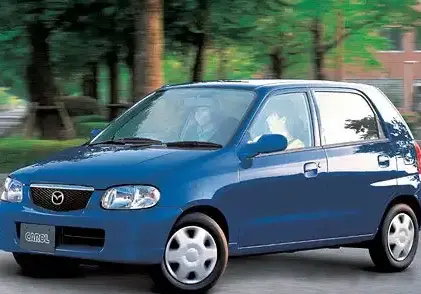
The Mazda Carol II 0.7 SX 4WD, produced between 1998 and 2001, represents a unique offering within the broader Carol II generation (1998-2001). This variant, characterized by its diminutive 658cc engine and all-wheel drive system, was primarily aimed at the Japanese domestic market (JDM) where compact, fuel-efficient vehicles with enhanced traction were highly valued. The Carol II, positioned as a kei car, occupied a specific niche in Japan’s vehicle regulations, offering affordable transportation with practical features. The 0.7 SX 4WD trim sat towards the upper end of the Carol II lineup, offering a more equipped and capable version compared to base models.
Technical Specifications
| Brand | Mazda |
| Model | Carol |
| Generation | Carol II |
| Type (Engine) | 0.7 SX 4WD (54 Hp) |
| Start of production | 1998 |
| End of production | 2001 |
| Powertrain Architecture | Internal Combustion engine |
| Body type | Hatchback |
| Seats | 5 |
| Doors | 3/5 |
| Fuel Type | Petrol (Gasoline) |
| Weight-to-power ratio | 12.6 kg/Hp, 79.4 Hp/tonne |
| Weight-to-torque ratio | 11.1 kg/Nm, 89.7 Nm/tonne |
| Power | 54 Hp @ 6500 rpm |
| Power per litre | 82.1 Hp/l |
| Torque | 61 Nm @ 4000 rpm, 44.99 lb.-ft. @ 4000 rpm |
| Engine layout | Front, Transverse |
| Engine displacement | 658 cm3, 40.15 cu. in. |
| Number of cylinders | 3 |
| Engine configuration | Inline |
| Cylinder Bore | 68 mm, 2.68 in. |
| Piston Stroke | 60.4 mm, 2.38 in. |
| Compression ratio | 10.5:1 |
| Number of valves per cylinder | 4 |
| Fuel injection system | Multi-port manifold injection |
| Engine aspiration | Naturally aspirated engine |
| Valvetrain | DOHC |
| Kerb Weight | 680 kg, 1499.14 lbs |
| Max. weight | 900 kg, 1984.16 lbs |
| Max load | 220 kg, 485.02 lbs |
| Fuel tank capacity | 30 l, 7.93 US gal | 6.6 UK gal |
| Length | 3395 mm, 133.66 in. |
| Width | 1475 mm, 58.07 in. |
| Height | 1450 mm, 57.09 in. |
| Wheelbase | 2360 mm, 92.91 in. |
| Front track | 1295 mm, 50.98 in. |
| Rear (Back) track | 1290 mm, 50.79 in. |
| Minimum turning circle | 9.8 m, 32.15 ft. |
| Drive wheel | All wheel drive (4×4) |
| Number of gears | 5 gears, manual transmission |
| Front suspension | Spring Strut |
| Rear suspension | Coil spring |
| Front brakes | Disc |
| Rear brakes | Drum |
| Assisting systems | ABS (Anti-lock braking system) |
| Steering type | Steering rack and pinion |
| Power steering | Hydraulic Steering |
| Tires size | 155/70 R12 75 S |
| Wheel rims size | 4J x 12 ET 45 |
Powertrain & Engine Architecture
The heart of the Carol II 0.7 SX 4WD is the F6A engine, a 658cc inline-three cylinder petrol engine. This engine, typical of kei car designs, prioritizes fuel efficiency and compact dimensions. The F6A utilizes a multi-port fuel injection system and a double overhead camshaft (DOHC) valvetrain, contributing to its relatively high power output for its size. The compression ratio of 10.5:1 further aids in maximizing efficiency. The engine’s modest 54 horsepower at 6500 rpm and 61 Nm (45 lb-ft) of torque at 4000 rpm are delivered through a five-speed manual transmission. The all-wheel drive system, while adding weight, provides enhanced traction, particularly beneficial in Japan’s varied weather conditions and often narrow, winding roads.
Driving Characteristics
The driving experience in the Carol II 0.7 SX 4WD is defined by its lightweight nature and responsive, albeit limited, power delivery. The 4WD system provides a surefooted feel, especially on slippery surfaces. Acceleration is modest, and the engine needs to be revved to extract its full potential. The five-speed manual transmission allows for precise control, but the gear ratios are geared towards fuel economy rather than outright performance. Compared to other Carol II variants, the 4WD model exhibits slightly heavier steering and a less nimble feel due to the added weight of the drivetrain components. However, the added stability and traction make it a more confident companion in challenging conditions.
Equipment & Trim Levels
The SX trim level, as found in the 0.7 SX 4WD, offered a step up in features compared to the base Carol II models. Standard equipment typically included power steering, air conditioning, and a basic audio system. Interior upholstery was typically cloth, with a functional, if spartan, dashboard layout. Optional extras could include upgraded audio systems, alloy wheels, and color-coded bumpers. The focus remained on practicality and affordability, with the SX trim adding a touch of convenience and comfort without significantly increasing the price.
Chassis & Braking
The Carol II utilizes a simple, yet effective, chassis design. Front suspension consists of a MacPherson strut setup, while the rear employs a coil spring arrangement. This configuration provides a reasonable balance between ride comfort and handling. Braking duties are handled by disc brakes at the front and drum brakes at the rear. The inclusion of ABS (Anti-lock Braking System) was a notable safety feature for a vehicle in this class. The relatively light weight of the vehicle helps to compensate for the less sophisticated rear drum brake setup.
Market Reception & Comparison
The Mazda Carol II 0.7 SX 4WD was well-received in the Japanese market as a practical and affordable all-weather vehicle. Critics praised its fuel efficiency, compact size, and the added security of the 4WD system. Compared to other kei car offerings, the Carol II stood out for its relatively refined engine and comfortable interior. However, its limited power and basic features were points of criticism. Compared to the standard 2WD Carol II models, the 4WD variant offered superior traction but at the expense of slightly reduced fuel economy and a higher price point.
Legacy
The Mazda Carol II 0.7 SX 4WD, while not a performance icon, represents a significant example of Japanese automotive engineering focused on practicality and efficiency. The F6A engine, while simple in design, proved to be relatively reliable. Today, these vehicles are becoming increasingly collectible, particularly among enthusiasts of JDM cars. The 4WD variants are especially sought after due to their rarity and unique capabilities. While maintenance can be challenging due to the age of the vehicles and the limited availability of parts, the Carol II 0.7 SX 4WD remains a testament to Mazda’s ability to create affordable and functional transportation for a specific market need.