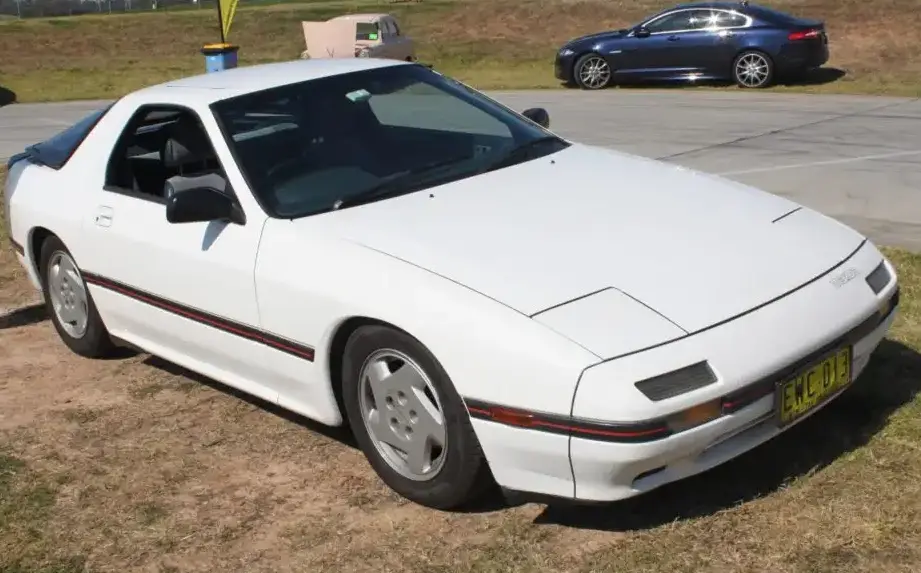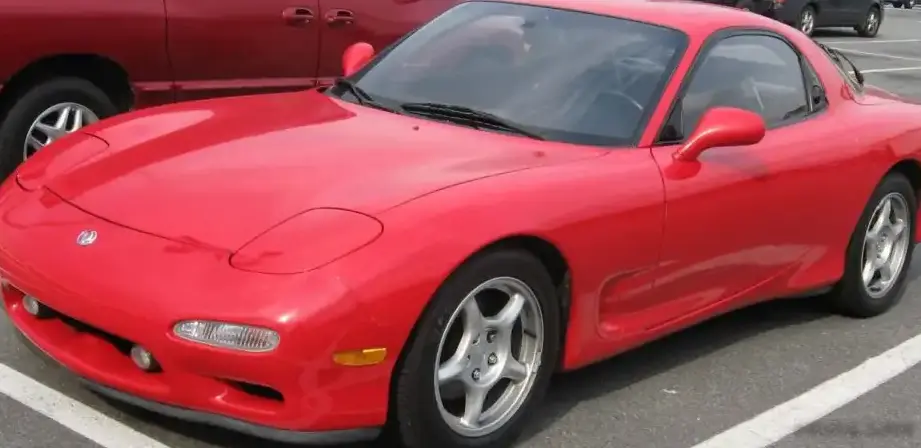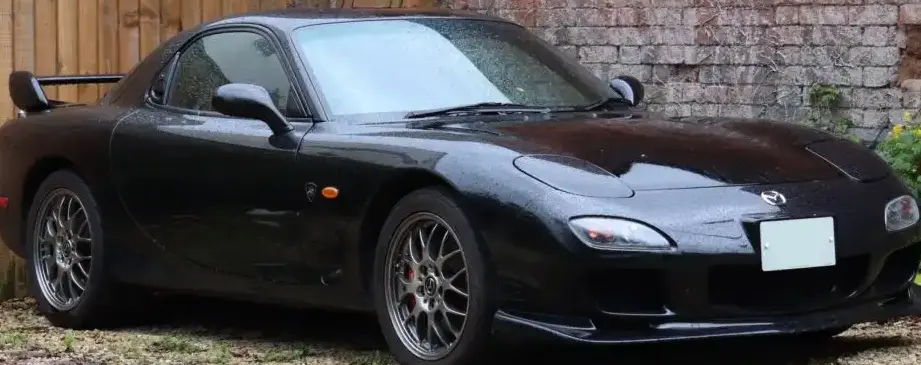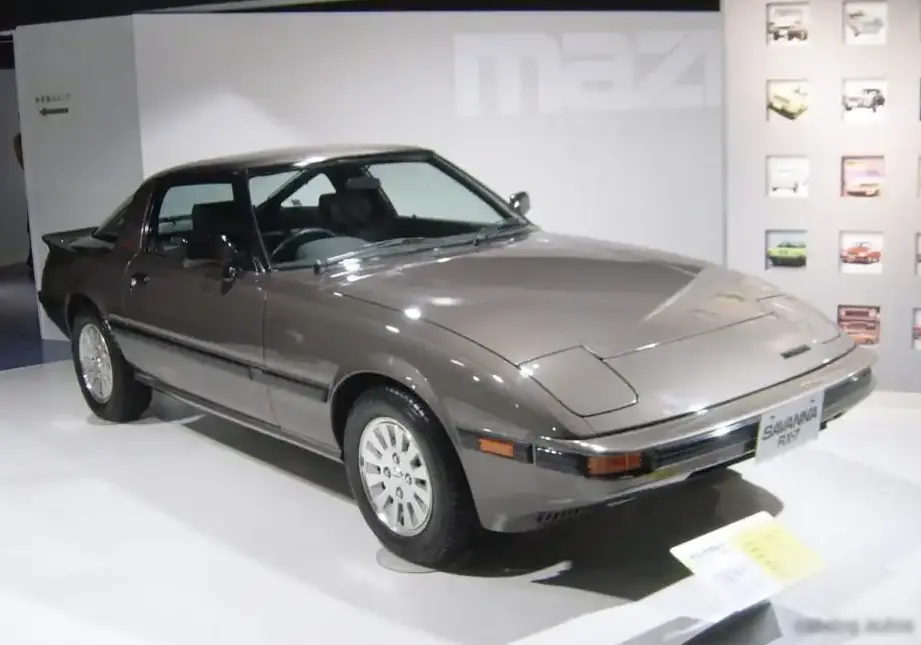
The Mazda RX-7 (SA) represents the first generation of Mazda’s iconic rotary-powered sports car, produced from 1978 to 1985, with the SA variant specifically running from 1984-1986. This model marked Mazda’s commitment to the Wankel rotary engine, offering a unique driving experience distinct from traditional piston engines. The SA, while sharing the same fundamental chassis as earlier RX-7s, received subtle refinements and updates, solidifying its position as a capable and stylish coupe in a competitive sports car market. The 113 horsepower version, while not the most powerful RX-7 available, served as an accessible entry point into the rotary world, balancing performance with affordability and relative fuel efficiency for the time.
Technical Specifications
| Brand | Mazda |
| Model | RX-7 |
| Generation | RX-7 I (SA) |
| Type (Engine) | Wankel (113 Hp) |
| Start of production | 1984 |
| End of production | 1986 |
| Powertrain Architecture | Internal Combustion engine (Rotary) |
| Body type | Coupe |
| Fuel Type | Petrol (Gasoline) |
| Engine specs Power | 113 Hp |
| Engine aspiration | Naturally aspirated engine |
Powertrain & Engine Architecture
The heart of the RX-7 SA is its 13B rotary engine. Unlike conventional piston engines, the 13B utilizes a triangular rotor spinning within a specially shaped housing to generate power. This design allows for a smoother power delivery and a higher power-to-weight ratio compared to similarly sized piston engines. The 113 horsepower output was achieved through a combination of a 8.5:1 compression ratio, a single carburetor (typically a Hitachi), and a relatively conservative port timing. The engine displaced approximately 1308cc, equivalent to roughly 1.3 liters.
The 13B engine in the SA variant featured a two-rotor design. The intake and exhaust ports were side-mounted, contributing to the engine’s compact size. Fuel delivery was handled by a Hitachi carburetor, a common setup for the time, though less precise than later fuel injection systems. The engine’s lubrication system was crucial, requiring regular oil checks and changes due to the unique demands of the rotary design. The engine’s valvetrain, or rather the lack of traditional valves, is a defining characteristic of rotary engines. The rotor’s movement controls the intake and exhaust processes directly, simplifying the engine’s mechanical complexity. The transmission paired with this engine was typically a 5-speed manual, though a 4-speed automatic was also available, albeit less common and generally considered to detract from the sporty driving experience.
Driving Characteristics
The 113 hp RX-7 SA offered a unique driving experience centered around the characteristics of the rotary engine. While not overwhelmingly powerful, the engine delivered a smooth and linear power band, with a willingness to rev freely. The 0-60 mph time was around 9-10 seconds, respectable for the era but slower than some of its competitors with larger displacement piston engines. The automatic transmission, when equipped, further dulled acceleration, prioritizing comfort over performance. The gear ratios were tuned for everyday drivability, rather than outright speed. The car’s relatively light weight (around 2,300 lbs) helped to mitigate the lower horsepower output, providing a nimble and responsive feel. Handling was a strong point, thanks to the RX-7’s well-balanced chassis and independent suspension. The steering was precise and communicative, making the car enjoyable to drive on winding roads. Compared to the later, more powerful turbocharged RX-7s, the 113 hp version felt less urgent, but it offered a more accessible and predictable driving experience.
Equipment & Trim Levels
The 1984-1986 RX-7 SA in its 113 hp configuration typically represented the base trim level. Standard equipment included cloth upholstery, a basic AM/FM radio, and manual windows and locks. Air conditioning was often an optional extra, as were power windows and upgraded sound systems. The interior design was functional and driver-focused, with a simple dashboard layout and clearly marked gauges. The seats provided adequate support for spirited driving, though they lacked the bolstering found in more expensive sports cars. Exterior features included pop-up headlights, a rear spoiler (often optional), and steel wheels with hubcaps. Higher trim levels offered features like leather upholstery, alloy wheels, and a more comprehensive sound system. The overall aesthetic was clean and understated, reflecting the Japanese design philosophy of the time.
Chassis & Braking
The RX-7 SA utilized a front independent suspension with MacPherson struts and a rear live axle with coil springs. This suspension setup provided a good balance between ride comfort and handling performance. The steering was a rack-and-pinion system, offering precise control and feedback. Braking duties were handled by disc brakes in the front and drum brakes in the rear. While adequate for normal driving, the rear drum brakes were a point of criticism, as they lacked the stopping power and fade resistance of disc brakes. The chassis was a unibody construction, providing a rigid and lightweight platform. Stabilizer bars were fitted to both the front and rear axles, further enhancing handling stability. The car’s relatively short wheelbase contributed to its nimble handling characteristics.
Market Reception & Comparison
The Mazda RX-7 SA was generally well-received by automotive critics, who praised its unique rotary engine, stylish design, and engaging driving experience. However, the 113 hp version was often seen as underpowered compared to its competitors, such as the Toyota Celica Supra and the Nissan Z series. Fuel economy was also a concern, as rotary engines tend to consume more fuel than comparable piston engines. Reliability was another issue, as the rotary engine required more frequent maintenance and was prone to wear and tear if not properly cared for. Despite these drawbacks, the RX-7 SA remained a popular choice among enthusiasts who appreciated its distinctive character and performance. Compared to the later turbocharged RX-7s, the 113 hp version offered a more affordable and accessible entry point into the rotary world, but it lacked the outright speed and performance of its more powerful siblings.
Legacy
The Mazda RX-7 SA holds a significant place in automotive history as the first generation of a truly iconic sports car. The 13B rotary engine, while complex and demanding, proved to be a capable and reliable powerplant when properly maintained. Today, the RX-7 SA is a sought-after classic car, particularly among rotary enthusiasts. The 113 hp version, while not the most desirable trim level, remains an affordable and enjoyable way to experience the unique driving characteristics of a rotary-powered Mazda. Parts availability can be a challenge, but a dedicated aftermarket supports the RX-7 community. The car’s enduring appeal is a testament to its innovative engineering, stylish design, and engaging driving experience. Well-maintained examples command a premium in the used car market, reflecting the growing appreciation for this classic Japanese sports car.