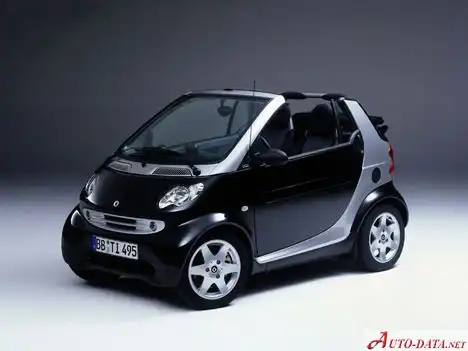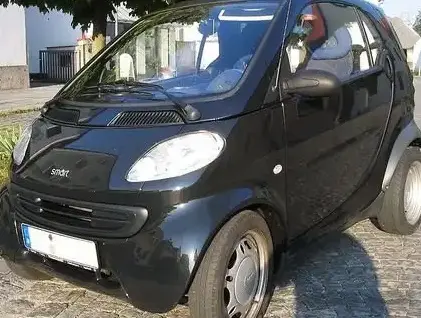
The MCC Smart (MC01) 0.6, produced between 1998 and 2000, represents the initial foray into the microcar segment by the then-Mercedes-Benz subsidiary, Micro Compact Car AG (MCC). This first-generation Smart, internally designated MC01, aimed to revolutionize urban transportation with its diminutive size and innovative engineering. The 0.6-liter variant, producing 55 horsepower, served as the entry point to the Smart lineup, targeting drivers prioritizing fuel efficiency and maneuverability in congested city environments. It was a bold departure from conventional automotive design, and while it faced challenges, it laid the foundation for the Smart brand’s continued evolution.
Technical Specifications
| Brand | MCC |
| Model | Smart |
| Generation | Smart (MC01) |
| Type (Engine) | 0.6 (55 Hp) |
| Start of production | 1998 |
| End of production | 2000 |
| Powertrain Architecture | Internal Combustion Engine |
| Body type | Hatchback |
| Fuel Type | Petrol (Gasoline) |
| Power | 55 Hp |
| Engine Aspiration | Naturally Aspirated |
Powertrain & Engine Architecture
The heart of the MCC Smart MC01 0.6 is a 599cc three-cylinder, naturally aspirated gasoline engine. This engine, internally designated as the M160, is a significant piece of engineering. Its compact size and lightweight construction were crucial to the Smart’s overall design goals. The engine utilizes a single overhead camshaft (SOHC) operating four valves per cylinder. Fuel delivery is managed by a Bosch Motronic engine control unit (ECU) and sequential multi-point fuel injection. While relatively simple in design, the M160 was engineered for durability and efficiency. The engine’s small displacement and low output necessitated a unique transmission solution. The MC01 0.6 employed a six-speed automated manual transmission (AMT), often referred to as a ‘soft-touch’ automatic. This transmission, developed by British firm XShift, utilized electronic actuators to shift gears, offering a degree of automation without the complexity and weight of a traditional torque converter automatic. It wasn’t a conventional automatic, and its operation could feel jerky at times, particularly during low-speed maneuvers.
Driving Characteristics
The 55 horsepower output of the 0.6-liter engine translates to modest performance. Acceleration is leisurely, with a 0-60 mph time estimated around 17-18 seconds. The focus wasn’t on speed, but on nimble handling and ease of parking. The Smart’s short wheelbase and narrow track contribute to its exceptional maneuverability in tight urban spaces. The six-speed AMT, while not the smoothest, allows the engine to operate efficiently at highway speeds. Gear ratios are relatively tall, prioritizing fuel economy over outright acceleration. The driving experience is best described as ‘city-centric’. The engine is responsive enough for navigating traffic, and the small size of the vehicle makes it easy to slip into parking spaces that larger cars simply can’t access. Compared to later Smart variants with larger engines (like the 0.7 or 0.8-liter versions), the 0.6 feels noticeably slower, particularly when carrying passengers or cargo. The manual transmission variants offered a more engaging driving experience, but the AMT was aimed at drivers seeking the convenience of an automatic.
Equipment & Trim Levels
The initial Smart MC01 0.6 was relatively sparsely equipped, reflecting its position as the entry-level model. Standard features typically included power steering, central locking, and basic instrumentation. Interior upholstery was typically a simple cloth material. Air conditioning was often an optional extra, as were power windows. The dashboard design was minimalist, prioritizing functionality over luxury. Safety features were limited by the vehicle’s size and weight, but included a driver’s airbag and anti-lock brakes (ABS) on some models. Trim levels were limited; the focus was on offering a basic, affordable microcar. Optional extras allowed buyers to personalize their Smart, but the core offering remained focused on practicality and efficiency. The exterior paint options were limited to a handful of solid colors.
Chassis & Braking
The Smart MC01 utilizes a monocoque steel chassis with integrated crumple zones for impact protection. The suspension consists of independent suspension all around, utilizing MacPherson struts at the front and a De Dion axle at the rear. This suspension setup provides a surprisingly comfortable ride, considering the vehicle’s short wheelbase. Braking duties are handled by disc brakes at the front and drum brakes at the rear. ABS was available as an option, enhancing braking performance and stability. The steering is direct and responsive, contributing to the Smart’s nimble handling. The relatively light weight of the vehicle (around 790 kg or 1740 lbs) helps to offset the modest engine output, resulting in acceptable braking performance. Stabilizer bars were not standard equipment on the base 0.6 model, further emphasizing its focus on affordability.
Market Reception & Comparison
The MCC Smart MC01 0.6 received mixed reviews upon its launch. Critics praised its innovative design, fuel efficiency (typically around 50-60 mpg), and exceptional maneuverability. However, the AMT transmission was a common point of criticism, with many reviewers finding it jerky and unresponsive. The limited performance of the 0.6-liter engine was also noted, particularly when compared to larger, more powerful cars. Compared to other entry-level cars of the time, the Smart offered a unique proposition – a truly compact and fuel-efficient vehicle designed specifically for urban environments. However, its higher price tag compared to conventional small cars limited its appeal to a niche market. The 0.7 and 0.8-liter variants offered improved performance and were generally better received by critics and consumers. The 0.6 model, while the initial offering, quickly became less popular as the more powerful engines became available.
Legacy
The MCC Smart MC01 0.6, despite its relatively short production run, played a crucial role in establishing the Smart brand. It demonstrated the viability of the microcar concept and paved the way for future Smart models. The M160 engine proved to be surprisingly durable, and many examples are still on the road today. However, the AMT transmission remains a potential weak point, and maintenance can be challenging due to the vehicle’s unique design. In the used car market, the 0.6-liter variant is the least desirable of the first-generation Smarts, due to its limited performance. However, its rarity and historical significance make it a sought-after vehicle among collectors and enthusiasts. The Smart MC01, in all its variants, remains a symbol of innovative automotive design and a testament to the idea that smaller can, in fact, be smarter.