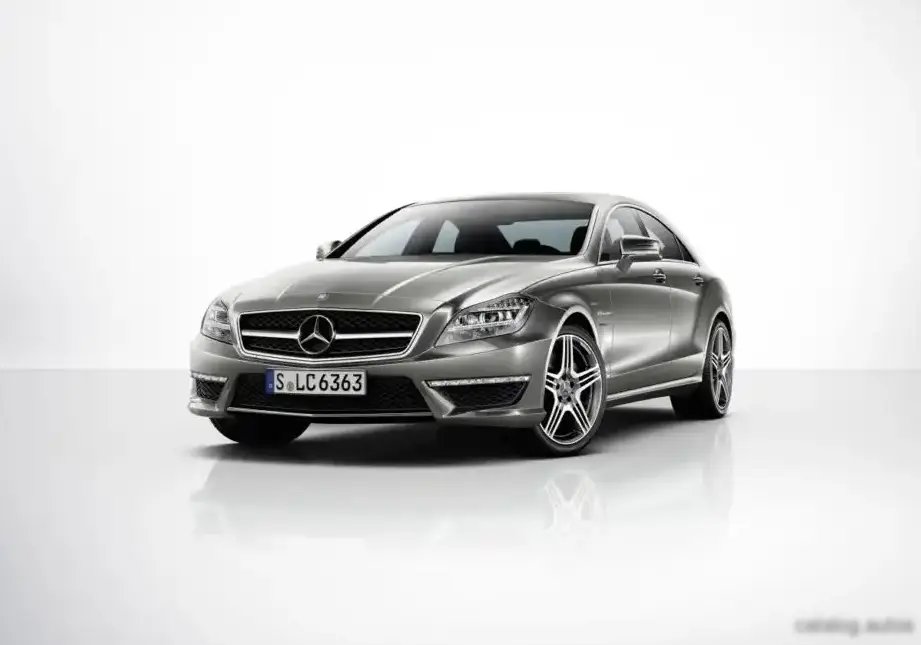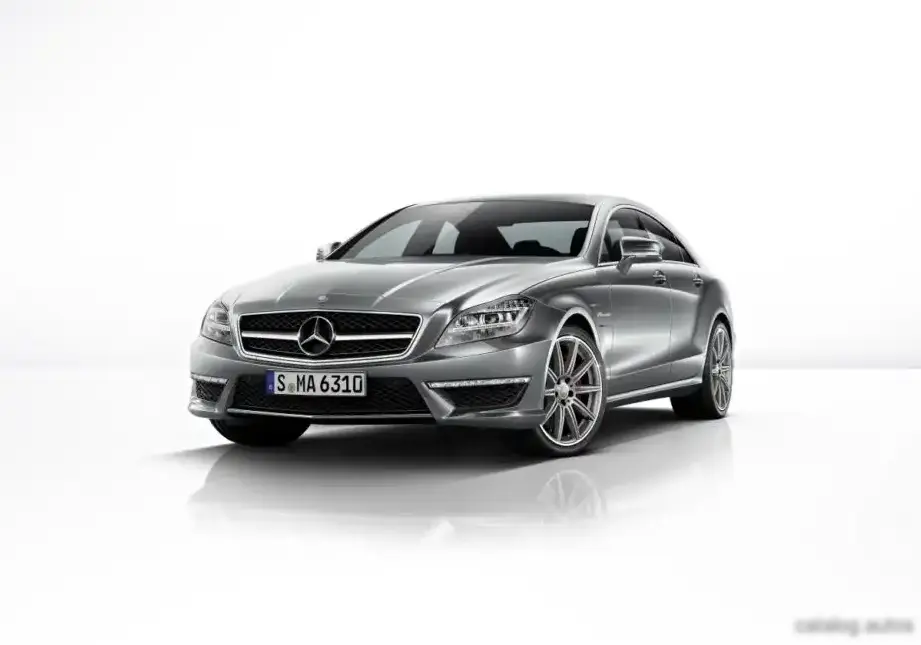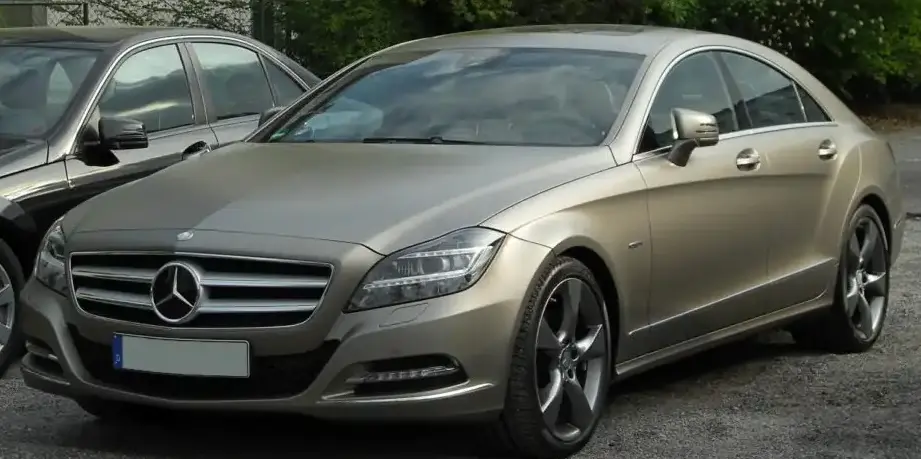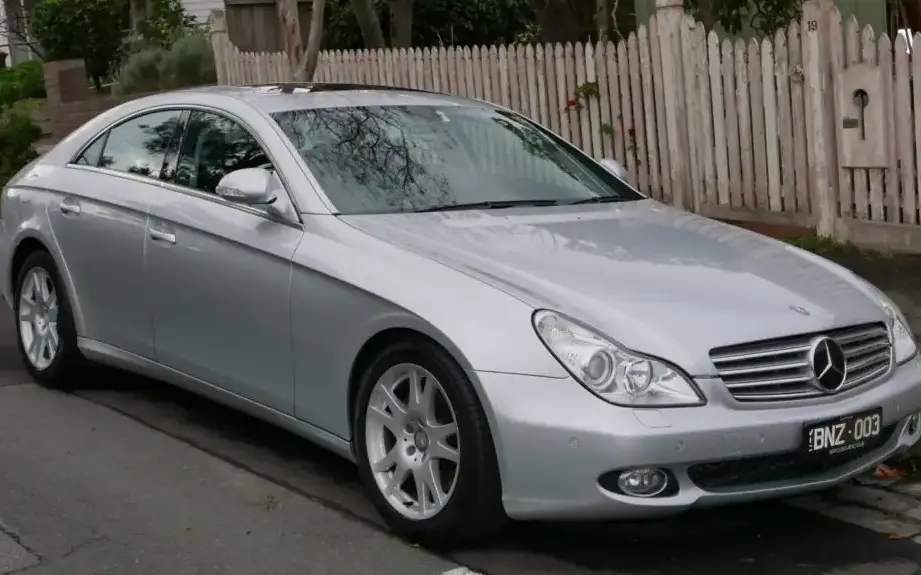
The Mercedes-Benz CLS 350, specifically the C219 generation produced between August 2004 and April 2006, represented a significant foray into the four-door coupe market. Positioned as a mid-range offering within the CLS lineup, it bridged the gap between the entry-level CLS 320 and the performance-oriented CLS 500. This variant combined a naturally aspirated 3.5-liter V6 engine with Mercedes’ 7G-TRONIC seven-speed automatic transmission, aiming to deliver a balance of luxury, performance, and relative fuel efficiency. The C219 CLS was the first of its kind, pioneering a segment that would become increasingly popular in the following years, and establishing a distinctive design language for Mercedes-Benz.
| Brand | Mercedes-Benz |
| Model | CLS |
| Generation | CLS coupe (C219) |
| Type | CLS 350 V6 (272 Hp) 7G-TRONIC |
| Start of production | August, 2004 |
| End of production | April, 2006 |
| Powertrain Architecture | Internal Combustion engine |
| Body type | Coupe |
| Seats | 4 |
| Doors | 4 |
| Fuel consumption (urban) | 14.3-15.1 l/100 km (16.4 – 15.6 US mpg) |
| Fuel consumption (extra urban) | 7.8-8 l/100 km (30.2 – 29.4 US mpg) |
| Fuel consumption (combined) | 10.1-10.6 l/100 km (23.3 – 22.2 US mpg) |
| CO2 emissions | 241-253 g/km |
| Fuel Type | Petrol (Gasoline) |
| Acceleration 0 – 100 km/h | 7 sec |
| Acceleration 0 – 62 mph | 7 sec |
| Acceleration 0 – 60 mph | 6.7 sec |
| Maximum speed | 250 km/h (155.34 mph) – Electronically limited |
| Emission standard | Euro 4 |
| Weight-to-power ratio | 6.1 kg/Hp |
| Weight-to-torque ratio | 4.7 kg/Nm |
| Power | 272 Hp @ 6000 rpm |
| Torque | 350 Nm @ 2400-5000 rpm (258.15 lb.-ft. @ 2400-5000 rpm) |
| Engine layout | Front, Longitudinal |
| Engine Model/Code | M 272.964 |
| Engine displacement | 3498 cm3 (213.46 cu. in.) |
| Number of cylinders | 6 |
| Engine configuration | V-engine |
| Cylinder Bore | 92.9 mm (3.66 in.) |
| Piston Stroke | 86 mm (3.39 in.) |
| Compression ratio | 10.7:1 |
| Number of valves per cylinder | 4 |
| Fuel injection system | Multi-port manifold injection |
| Engine aspiration | Naturally aspirated |
| Valvetrain | DOHC |
| Engine oil capacity | 8 l (8.45 US qt | 7.04 UK qt) |
| Coolant capacity | 10 l (10.57 US qt | 8.8 UK qt) |
| Kerb Weight | 1655 kg (3648.65 lbs.) |
| Max. weight | 2195 kg (4839.15 lbs.) |
| Max load | 540 kg (1190.5 lbs.) |
| Trunk (boot) space (minimum) | 505 l (17.83 cu. ft.) |
| Fuel tank capacity | 80 l (21.13 US gal | 17.6 UK gal) |
| Length | 4913 mm (193.43 in.) |
| Width | 1873 mm (73.74 in.) |
| Width including mirrors | 2059 mm (81.06 in.) |
| Height | 1403 mm (55.24 in.) |
| Wheelbase | 2854 mm (112.36 in.) |
| Front track | 1593 mm (62.72 in.) |
| Rear track | 1603 mm (63.11 in.) |
| Front overhang | 894 mm (35.2 in.) |
| Rear overhang | 1165 mm (45.87 in.) |
| Drag coefficient (Cd) | 0.30 |
| Minimum turning circle | 11.21 m (36.78 ft.) |
| Drivetrain | Rear wheel drive |
| Number of gears | 7 |
| Gearbox type | Automatic transmission G-TRONIC |
| Front suspension | Coil spring, Independent multi-link suspension, Transverse stabilizer, Air Suspension – Optional |
| Rear suspension | Independent multi-link spring suspension with stabilizer, Air Suspension – Optional |
| Front brakes | Ventilated discs, 330 mm |
| Rear brakes | Ventilated discs, 300 mm |
| Front tires | 245/45 R17; 245/40 R18; 255/35 R19 |
| Rear tires | 245/45 R17; 245/40 R18; 275/35 R18; 285/30 R19 |
Powertrain & Engine Architecture
The heart of the CLS 350 was the M272.964 3.5-liter V6 engine. This engine, a member of Mercedes’ modular V6 and V8 family, featured all-aluminum construction, contributing to its relatively lightweight design. It employed a naturally aspirated configuration with multi-port fuel injection and a double overhead camshaft (DOHC) valvetrain. The engine’s 10.7:1 compression ratio helped to extract a respectable 272 horsepower at 6000 rpm and 350 Nm (258 lb-ft) of torque between 2400 and 5000 rpm. The 7G-TRONIC seven-speed automatic transmission was a key component, offering smooth and relatively quick shifts. This transmission was known for its wide gear ratio spread, contributing to both fuel efficiency and responsive acceleration. The transmission was electronically controlled, adapting shift points based on driving conditions and driver input.
Driving Characteristics
The CLS 350 with the 7G-TRONIC transmission provided a comfortable and refined driving experience. While not overtly sporty, the engine delivered adequate power for confident highway cruising and overtaking. The 0-60 mph time of around 6.7 seconds was respectable for the era. The 7G-TRONIC transmission, while smooth, could sometimes feel hesitant during quick downshifts compared to the more aggressive responses of the manual transmissions available in other CLS models. Compared to the CLS 500’s V8, the 350 offered a more economical driving experience, but at the expense of outright performance. The gear ratios were tuned for a balance between acceleration and fuel economy, prioritizing smooth operation over aggressive shifts.
Equipment & Trim Levels
The CLS 350 came standard with a generous array of luxury features, including leather upholstery, automatic climate control, a premium audio system, and power-adjustable front seats. Wood trim was standard throughout the cabin, enhancing the sense of luxury. Optional extras included a panoramic sunroof, upgraded audio systems (such as Harman Kardon), rear-seat entertainment, and advanced driver-assistance systems like Distronic adaptive cruise control. The interior design was consistent with Mercedes-Benz’s commitment to quality and craftsmanship, offering a sophisticated and comfortable environment for both driver and passengers.
Chassis & Braking
The CLS 350 utilized a fully independent suspension system, with coil springs and multi-link setups at both the front and rear. An optional air suspension system was available, providing an even more comfortable ride and the ability to adjust ride height. Braking duties were handled by ventilated disc brakes on all four wheels, providing ample stopping power. Anti-lock braking system (ABS) was standard. The suspension tuning was geared towards comfort and stability, prioritizing a smooth ride over sharp handling. Stabilizer bars were fitted front and rear to reduce body roll during cornering.
Market Reception & Comparison
The CLS 350 was generally well-received by automotive critics, who praised its stylish design, luxurious interior, and comfortable ride. However, some reviewers noted that the 3.5-liter V6 engine felt somewhat underpowered for a vehicle of its size and weight, especially when compared to the more potent CLS 500. Fuel economy was considered average for the class. Compared to the CLS 320 (which used a smaller engine), the 350 offered a noticeable performance improvement. Reliability was generally good, although some owners reported issues with the electronic systems and the air suspension (if equipped).
Legacy
The Mercedes-Benz CLS 350 (C219) has aged relatively well, and well-maintained examples continue to be sought after by enthusiasts. The M272 engine, while not without its potential maintenance needs (such as valve cover gasket leaks and timing chain wear), is generally considered a durable and reliable powerplant. The 7G-TRONIC transmission has also proven to be relatively robust. Today, the C219 CLS represents a unique and stylish alternative to more conventional luxury sedans, and its pioneering four-door coupe design continues to influence automotive styling trends. The car’s relative affordability on the used market makes it an attractive option for those seeking a luxurious and distinctive vehicle.