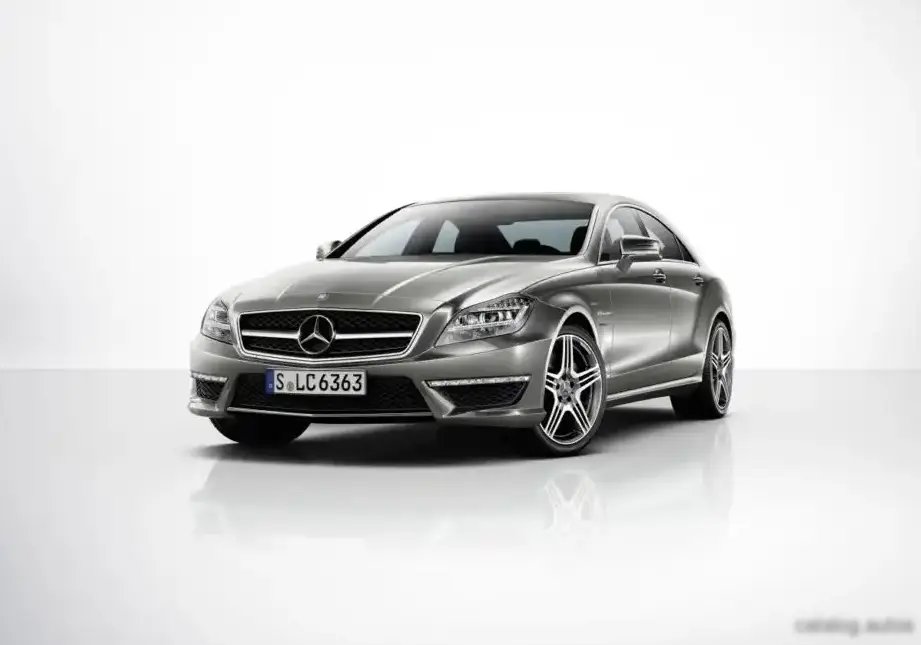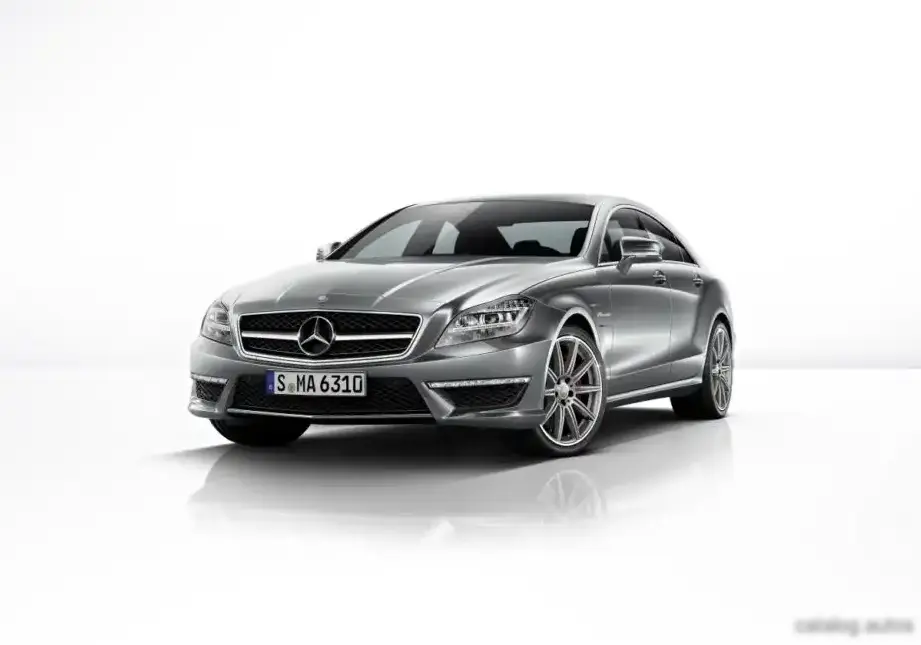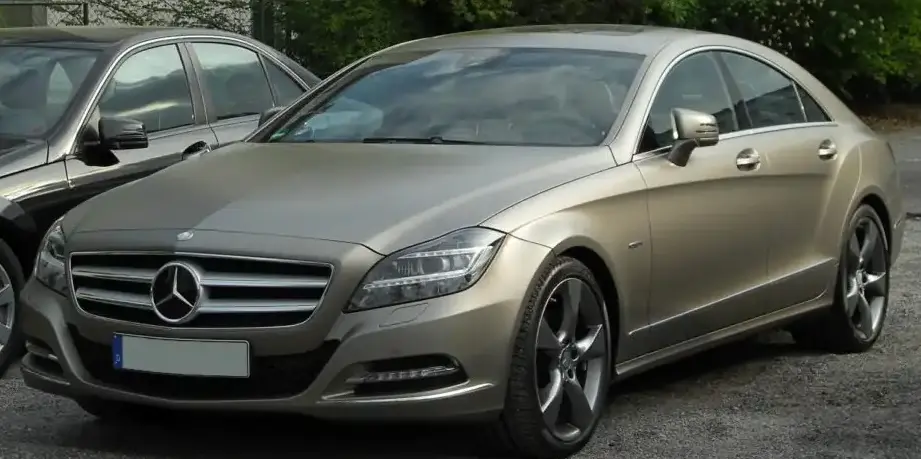
The Mercedes-Benz CLS 350 CDI 4MATIC Shooting Brake (X218) was a diesel-powered variant of the innovative CLS “four-door coupe” produced between 2012 and 2014. Representing a unique blend of luxury, performance, and practicality, the Shooting Brake expanded the CLS range by offering the aesthetic appeal of a coupe with the enhanced cargo capacity of a station wagon. This particular configuration, equipped with the OM642.858 3.0-liter V6 diesel engine producing 265 horsepower and paired with the 7G-TRONIC PLUS seven-speed automatic transmission and 4MATIC all-wheel drive, occupied a significant position in the CLS lineup as a balance between economy, refinement, and all-weather capability.
| Brand | Mercedes-Benz |
| Model | CLS |
| Generation | CLS Shooting Brake (X218) |
| Type | CLS 350 CDI V6 (265 Hp) 4MATIC 7G-TRONIC PLUS |
| Start of production | 2012 |
| End of production | 2014 |
| Powertrain Architecture | Internal Combustion engine |
| Body type | Station wagon (estate) |
| Seats | 5 |
| Doors | 5 |
| Fuel consumption (urban) | 8.0-7.9 l/100 km (29.4 – 29.8 US mpg) |
| Fuel consumption (extra urban) | 6.0-5.9 l/100 km (39.2 – 39.9 US mpg) |
| Fuel consumption (combined) | 6.7-6.6 l/100 km (35.1 – 35.6 US mpg) |
| CO2 emissions | 176-174 g/km |
| Fuel Type | Diesel |
| Acceleration 0 – 100 km/h | 6.7 sec |
| Acceleration 0 – 62 mph | 6.7 sec |
| Acceleration 0 – 60 mph | 6.4 sec |
| Maximum speed | 250 km/h (155.34 mph) |
| Emission standard | Euro 5 |
| Weight-to-power ratio | 7.4 kg/Hp |
| Weight-to-torque ratio | 3.2 kg/Nm |
| Power | 265 Hp @ 3800 rpm |
| Torque | 620 Nm @ 1600-2400 rpm (457.29 lb.-ft. @ 1600-2400 rpm) |
| Engine layout | Front, Longitudinal |
| Engine Model/Code | OM 642.858 |
| Engine displacement | 2987 cm3 (182.28 cu. in.) |
| Number of cylinders | 6 |
| Engine configuration | V-engine |
| Compression ratio | 15.5:1 |
| Number of valves per cylinder | 4 |
| Fuel injection system | Diesel Commonrail |
| Engine aspiration | Turbocharger, Intercooler |
| Engine oil capacity | 8 l (8.45 US qt | 7.04 UK qt) |
| Coolant capacity | 10.8 l (11.41 US qt | 9.5 UK qt) |
| Kerb Weight | 1970 kg (4343.11 lbs.) |
| Max. weight | 2495 kg (5500.53 lbs.) |
| Max load | 525 kg (1157.43 lbs.) |
| Trunk (boot) space – minimum | 590 l (20.84 cu. ft.) |
| Trunk (boot) space – maximum | 1550 l (54.74 cu. ft.) |
| Fuel tank capacity | 59 l (15.59 US gal | 12.98 UK gal) |
| Length | 4956 mm (195.12 in.) |
| Width | 1881 mm (74.06 in.) |
| Height | 1416 mm (55.75 in.) |
| Wheelbase | 2874 mm (113.15 in.) |
| Front track | 1596 mm (62.83 in.) |
| Rear track | 1626 mm (64.02 in.) |
| Minimum turning circle | 11.27 m (36.98 ft.) |
| Drive wheel | All wheel drive (4×4) |
| Number of gears | 7 |
| Gearbox type | Automatic transmission G-TRONIC PLUS |
| Front suspension | Independent, type McPherson with coil spring and anti-roll bar |
| Rear suspension | Independent multi-link suspension |
| Front brakes | Ventilated discs |
| Rear brakes | Disc |
| Assisting systems | ABS (Anti-lock braking system) |
| Steering type | Steering rack and pinion |
| Power steering | Electric Steering |
| Tires size | 245/45 R17 |
| Wheel rims size | 17 |
Powertrain & Engine Architecture
The heart of the CLS 350 CDI 4MATIC was the OM642.858 3.0-liter V6 diesel engine. This engine, a mainstay of the Mercedes-Benz lineup for many years, featured a robust cast iron block and aluminum cylinder heads. It employed a sophisticated common-rail direct injection system, delivering fuel at extremely high pressures for optimized combustion. A variable geometry turbocharger with an intercooler further enhanced performance and efficiency. The engine produced 265 horsepower at 3800 rpm and a substantial 620 Nm (457 lb-ft) of torque between 1600 and 2400 rpm. This broad torque curve was a key characteristic, providing strong acceleration in virtually any gear. The 7G-TRONIC PLUS seven-speed automatic transmission, known for its smooth and responsive shifts, was specifically calibrated to work in harmony with the diesel engine’s power delivery. The 4MATIC all-wheel-drive system distributed power between the front and rear axles as needed, enhancing traction and stability, particularly in adverse weather conditions.
Driving Characteristics
The CLS 350 CDI 4MATIC Shooting Brake offered a refined and comfortable driving experience. The abundant torque from the diesel engine meant that brisk acceleration was readily available, with a 0-60 mph time of around 6.4 seconds. While not a sports car, the CLS 350 CDI provided ample power for confident overtaking and highway cruising. The 7G-TRONIC transmission contributed to a relaxed driving experience, seamlessly shifting gears and keeping the engine in its optimal power band. Compared to the more powerful CLS 550 models, the 350 CDI prioritized fuel efficiency and usability over outright performance. The automatic transmission, while smooth, didn’t offer the same level of driver engagement as the available manual transmissions in other CLS variants. However, it catered to the target audience seeking a luxurious and effortless grand tourer.
Equipment & Trim Levels
The CLS 350 CDI 4MATIC Shooting Brake came standard with a comprehensive array of features, reflecting its positioning as a premium vehicle. Standard equipment typically included leather upholstery, dual-zone automatic climate control, a premium audio system, and a power-operated tailgate. Optional extras were plentiful, allowing buyers to personalize their vehicles. These included features such as a panoramic sunroof, advanced driver-assistance systems (like lane keeping assist and blind spot monitoring), upgraded interior trim materials, and a rear-seat entertainment system. The interior design was characterized by Mercedes-Benz’s signature blend of elegance and technology, with a focus on high-quality materials and a user-friendly interface.
Chassis & Braking
The CLS 350 CDI 4MATIC utilized a sophisticated chassis design aimed at balancing comfort and handling. The front suspension featured McPherson struts with coil springs and an anti-roll bar, while the rear employed a multi-link independent suspension. This setup provided a smooth and controlled ride, even on uneven surfaces. The 4MATIC all-wheel-drive system contributed to enhanced stability and cornering grip. Braking duties were handled by ventilated discs at the front and solid discs at the rear, equipped with ABS (Anti-lock Braking System) and electronic brake-force distribution. The braking system provided ample stopping power for a vehicle of its weight and performance.
Market Reception & Comparison
The CLS 350 CDI 4MATIC Shooting Brake was generally well-received by automotive critics. It was praised for its unique styling, luxurious interior, and strong diesel engine. The combination of performance, fuel economy, and all-wheel-drive capability was seen as a significant advantage. Compared to the gasoline-powered CLS 550, the 350 CDI offered better fuel economy and a more accessible price point. However, some critics noted that the diesel engine lacked the refinement and sound of the V8. Against competitors like the Audi A7 Sportback and BMW 5 Series Gran Turismo, the CLS Shooting Brake stood out with its distinctive coupe-like silhouette and spacious cargo area.
Legacy
The OM642 engine family, including the OM642.858 found in the CLS 350 CDI, is known for its durability and longevity when properly maintained. While diesel engines generally require diligent servicing (including regular oil changes and diesel particulate filter maintenance), these engines can reliably exceed 200,000 miles. In the used car market, the CLS 350 CDI 4MATIC Shooting Brake represents a compelling value proposition. It offers a luxurious and well-equipped package at a more affordable price than newer models. The unique styling and practicality of the Shooting Brake body style continue to appeal to buyers seeking a distinctive and versatile vehicle. However, potential buyers should be aware of the potential costs associated with maintaining a diesel vehicle, including DPF regeneration and potential issues with the fuel injection system.