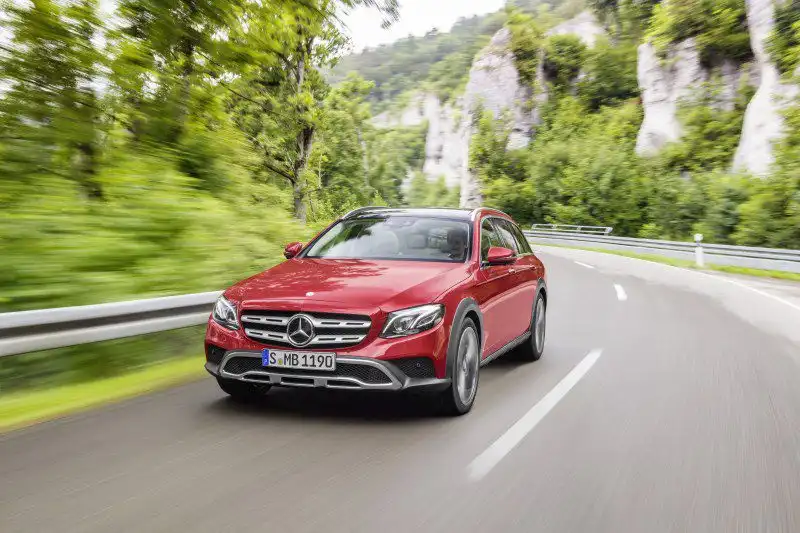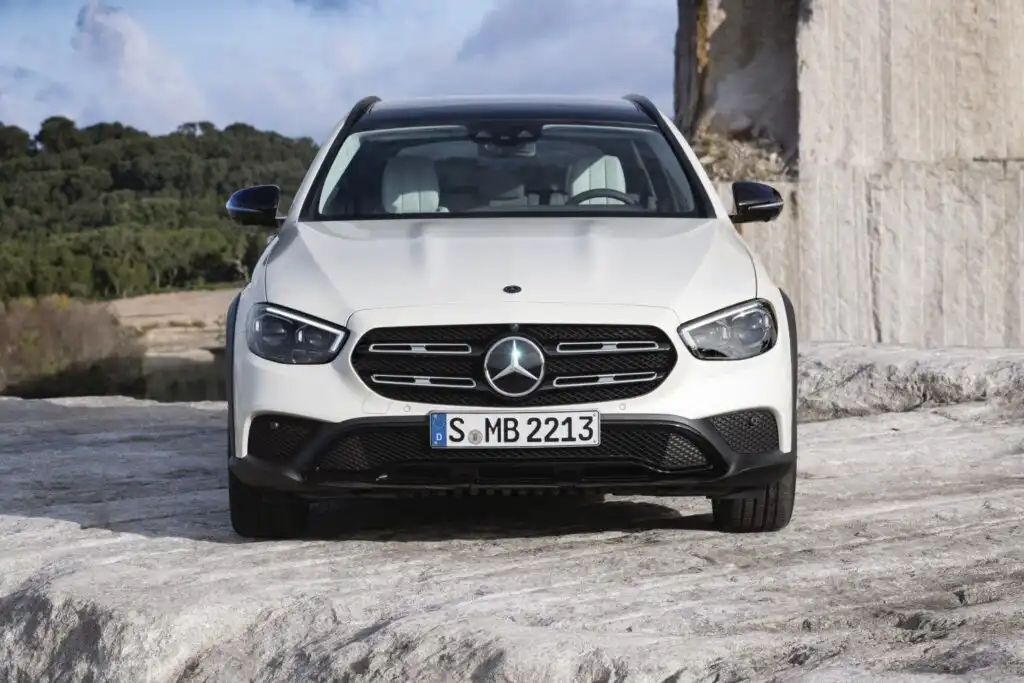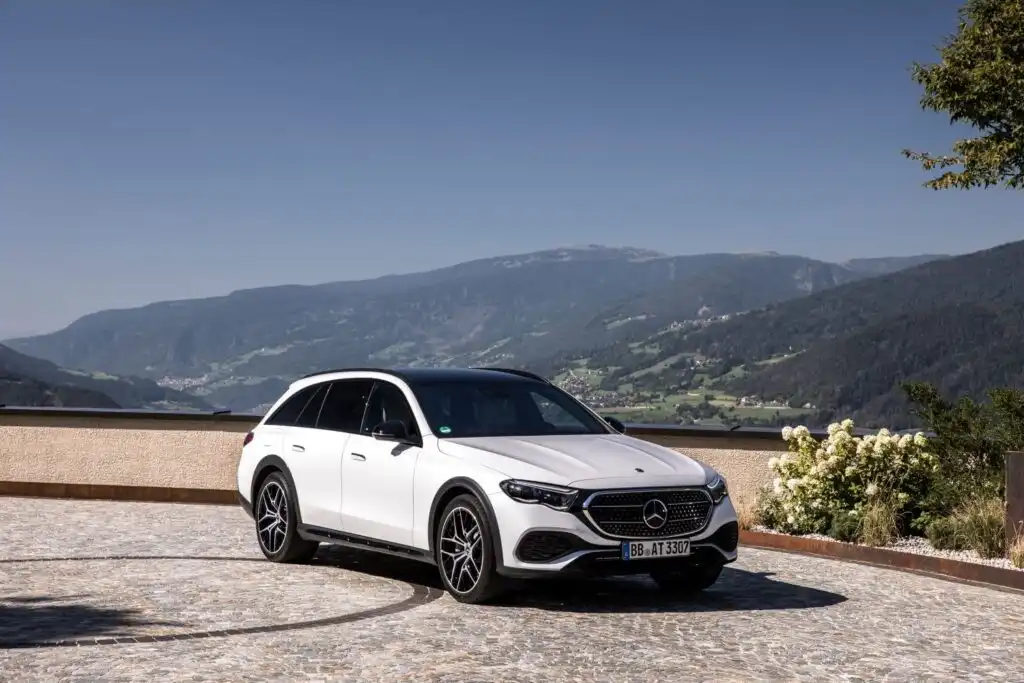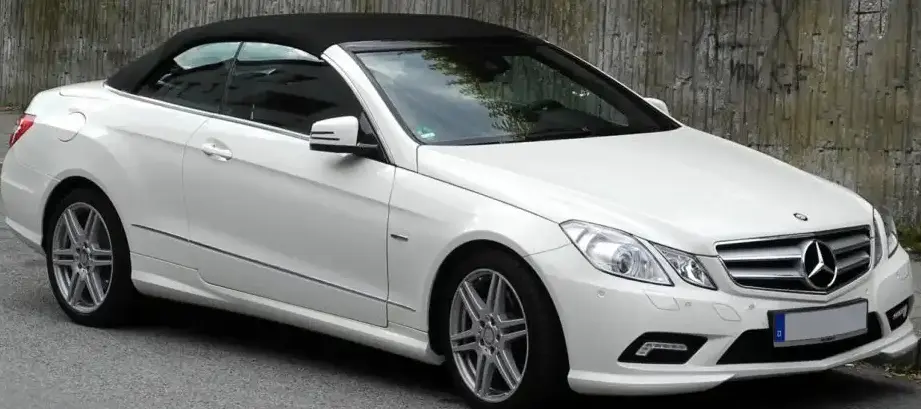
The Mercedes-Benz E-Class Cabriolet (A207) E 200 CGI BlueEFFICIENCY, produced from June 2010 to March 2013, represented the entry-level offering into the luxurious open-top E-Class range. Positioned as a more accessible option within the A207 generation, it blended comfort, style, and relatively efficient performance. This variant catered to buyers desiring the prestige of an E-Class Cabriolet without the higher price tag associated with the more powerful E 350 or E 550 models. It was primarily marketed in Europe and other regions where convertible luxury cars were popular, offering a sophisticated alternative to competitors like the BMW 3 Series Convertible and Audi A5 Cabriolet.
Technical Specifications
| Brand | Mercedes-Benz |
| Model | E-Class |
| Generation | E-Class Cabrio (A207) |
| Type (Engine) | E 200 CGI BlueEFFICIENCY (184 Hp) |
| Start of production | June, 2010 |
| End of production | March, 2013 |
| Powertrain Architecture | Internal Combustion engine |
| Body type | Cabriolet |
| Seats | 4 |
| Doors | 2 |
| Fuel consumption (urban) | 10-10.3 l/100 km (23.5 – 22.8 US mpg) |
| Fuel consumption (extra urban) | 5.8-6.1 l/100 km (40.6 – 38.6 US mpg) |
| Fuel consumption (combined) | 7.4-7.6 l/100 km (31.8 – 30.9 US mpg) |
| CO2 emissions | 172-177 g/km |
| Fuel Type | Petrol (Gasoline) |
| Acceleration 0 – 100 km/h | 8.8 sec |
| Acceleration 0 – 62 mph | 8.8 sec |
| Acceleration 0 – 60 mph | 8.4 sec |
| Maximum speed | 236 km/h (146.64 mph) |
| Emission standard | Euro 5 |
| Weight-to-power ratio | 8.8 kg/Hp |
| Weight-to-torque ratio | 6 kg/Nm |
| Power | 184 Hp @ 5250 rpm |
| Torque | 270 Nm @ 1800-4600 rpm (199.14 lb.-ft. @ 1800-4600 rpm) |
| Engine layout | Front, Longitudinal |
| Engine Model/Code | M 271.860 |
| Engine displacement | 1796 cm3 (109.6 cu. in.) |
| Number of cylinders | 4 |
| Engine configuration | Inline |
| Cylinder Bore | 82 mm (3.23 in.) |
| Piston Stroke | 85 mm (3.35 in.) |
| Compression ratio | 9.3:1 |
| Number of valves per cylinder | 4 |
| Fuel injection system | Direct injection |
| Engine aspiration | Turbocharger, Intercooler |
| Valvetrain | DOHC |
| Engine oil capacity | 5.5 l (5.81 US qt | 4.84 UK qt) |
| Coolant capacity | 7.2 l (7.61 US qt | 6.34 UK qt) |
| Kerb Weight | 1610 kg (3549.44 lbs.) |
| Max. weight | 2155 kg (4750.96 lbs.) |
| Max load | 545 kg (1201.52 lbs.) |
| Trunk (boot) space – minimum | 300 l (10.59 cu. ft.) |
| Trunk (boot) space – maximum | 390 l (13.77 cu. ft.) |
| Fuel tank capacity | 66 l (17.44 US gal | 14.52 UK gal) |
| Permitted trailer load with brakes (12%) | 1800 kg (3968.32 lbs.) |
| Permitted trailer load without brakes | 750 kg (1653.47 lbs.) |
| Permitted towbar download | 75 kg (165.35 lbs.) |
| Length | 4698 mm (184.96 in.) |
| Width | 1786 mm (70.31 in.) |
| Width including mirrors | 2015 mm (79.33 in.) |
| Height | 1398 mm (55.04 in.) |
| Wheelbase | 2760 mm (108.66 in.) |
| Front track | 1538 mm (60.55 in.) |
| Rear track | 1544 mm (60.79 in.) |
| Front overhang | 855 mm (33.66 in.) |
| Rear overhang | 1083 mm (42.64 in.) |
| Drag coefficient (Cd) | 0.28 |
| Minimum turning circle | 11 m (36.09 ft.) |
| Drivetrain | Rear wheel drive |
| Number of gears | 6 |
| Gearbox type | Manual transmission |
| Front suspension | Coil spring, Independent multi-link suspension, Transverse stabilizer |
| Rear suspension | Independent multi-link spring suspension with stabilizer |
| Front brakes | Ventilated discs, 295 mm |
| Rear brakes | Disc, 300 mm |
| Assisting systems | ABS (Anti-lock braking system) |
| Steering type | Steering rack and pinion |
| Power steering | Hydraulic Steering |
| Front tires | 235/45 R17; 235/40 R18; 235/35 R19 |
| Rear tires | 235/45 R17; 255/40 R17; 255/35 R18; 255/30 R19 |
| Front wheel rims | 7.5J x 17; 8J x 18; 8J x 19; 8.5J x 19 |
| Rear wheel rims | 7.5J x 17; 8.5J x 17; 8.5J x 18; 8.5J x 19 |
Powertrain & Engine Architecture
The E 200 CGI BlueEFFICIENCY Cabriolet was powered by the M271.860 1.8-liter inline-four cylinder engine. This engine featured direct fuel injection and a turbocharger with an intercooler, technologies that contributed to its relatively good fuel economy and respectable power output. The ‘CGI’ designation stood for ‘Charged Gasoline Injection,’ highlighting the direct injection system. The engine produced 184 horsepower at 5250 rpm and 270 Nm (199 lb-ft) of torque between 1800 and 4600 rpm. The engine utilized a double overhead camshaft (DOHC) valvetrain with four valves per cylinder. The engine was longitudinally mounted, driving the rear wheels. While a 6-speed manual transmission was standard, a 5-speed automatic transmission was also offered, providing a more relaxed driving experience. The automatic transmission featured adaptive shift programming, adjusting shift points based on driving style.
Driving Characteristics
The E 200 CGI BlueEFFICIENCY Cabriolet offered a comfortable and refined driving experience, prioritizing smoothness over outright performance. Acceleration from 0 to 60 mph took approximately 8.4 seconds, and the top speed was limited to 146.64 mph. The turbocharger provided a noticeable boost in power, but the engine didn’t deliver the same punch as the larger displacement engines available in the E-Class range. The automatic transmission, while smooth, could feel somewhat hesitant during quick overtaking maneuvers. The rear-wheel-drive configuration provided balanced handling, but the relatively narrow tires (compared to higher-spec models) limited grip during spirited driving. The suspension was tuned for comfort, absorbing bumps and imperfections in the road effectively.
Equipment & Trim Levels
The E 200 CGI BlueEFFICIENCY Cabriolet came standard with a respectable level of equipment, including automatic climate control, power windows and mirrors, a multi-function steering wheel, and an audio system. Leather upholstery was standard, adding to the luxurious feel of the interior. Optional extras included a premium sound system, navigation system, heated seats, and parking sensors. Trim levels were relatively simple, with most customization options available as individual extras. The interior design followed the elegant and understated aesthetic typical of Mercedes-Benz, with high-quality materials and a focus on ergonomics.
Chassis & Braking
The A207 E-Class Cabriolet featured a robust chassis designed to provide rigidity and safety. The front suspension utilized coil springs and an independent multi-link setup with a transverse stabilizer bar. The rear suspension also employed an independent multi-link design with a stabilizer bar. The braking system consisted of ventilated discs at the front and solid discs at the rear. Anti-lock braking system (ABS) was standard. The steering was a rack-and-pinion system with hydraulic power assistance, providing precise and responsive steering feel.
Market Reception & Comparison
The E 200 CGI BlueEFFICIENCY Cabriolet was generally well-received by critics as an accessible entry point into the E-Class Cabriolet range. It was praised for its comfortable ride, stylish design, and relatively good fuel economy. However, some reviewers noted that the engine lacked the power and refinement of the larger engines available in the lineup. Compared to the E 350 Cabriolet, the E 200 offered significantly less power and performance, but it was also more affordable to purchase and operate. The E 200’s fuel economy was noticeably better than the E 350, making it a more practical choice for everyday driving.
Legacy
The M271 engine, while generally reliable, is known to require regular maintenance, particularly regarding the timing chain. Oil changes should be performed according to Mercedes-Benz’s recommended intervals. The 5-speed automatic transmission, while durable, is not as sophisticated as the later 7G-TRONIC transmissions. Today, the E 200 CGI BlueEFFICIENCY Cabriolet represents a relatively affordable way to experience the luxury and style of a Mercedes-Benz Cabriolet. Well-maintained examples are still sought after by enthusiasts and collectors, offering a blend of classic design and modern features. Its relative affordability and reasonable running costs make it a viable option for those seeking a stylish and comfortable open-top car.