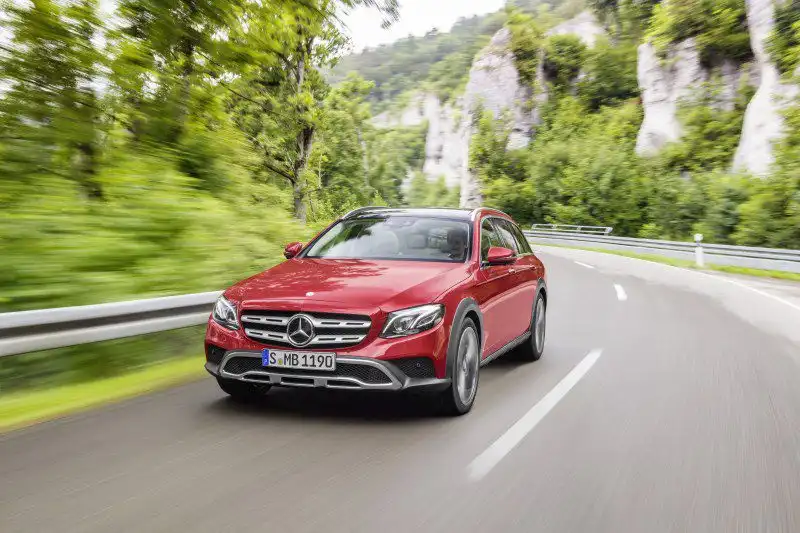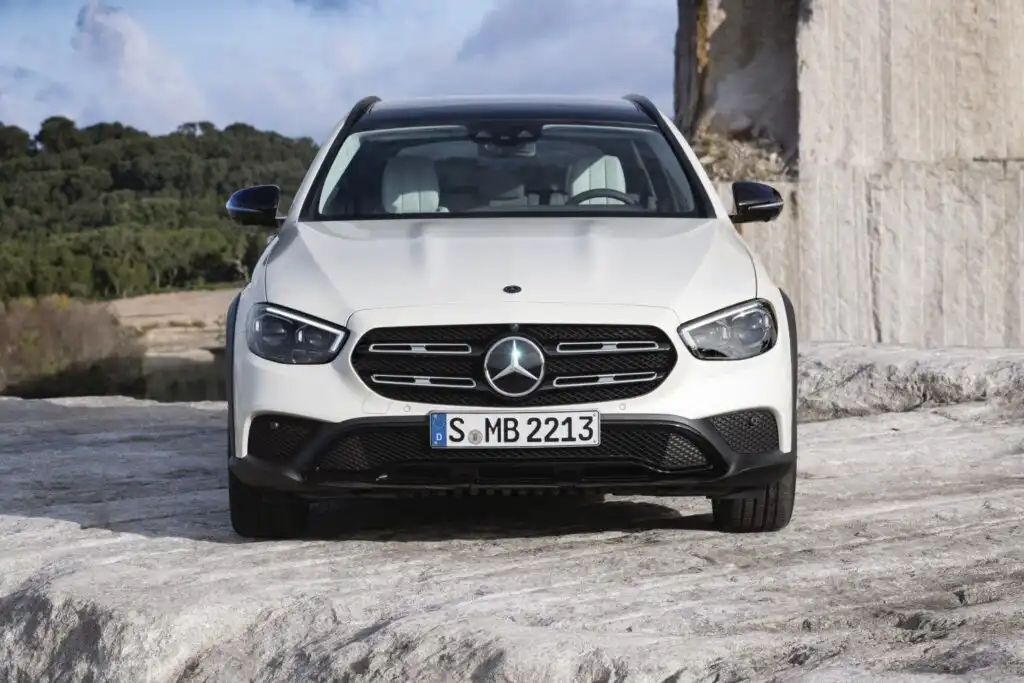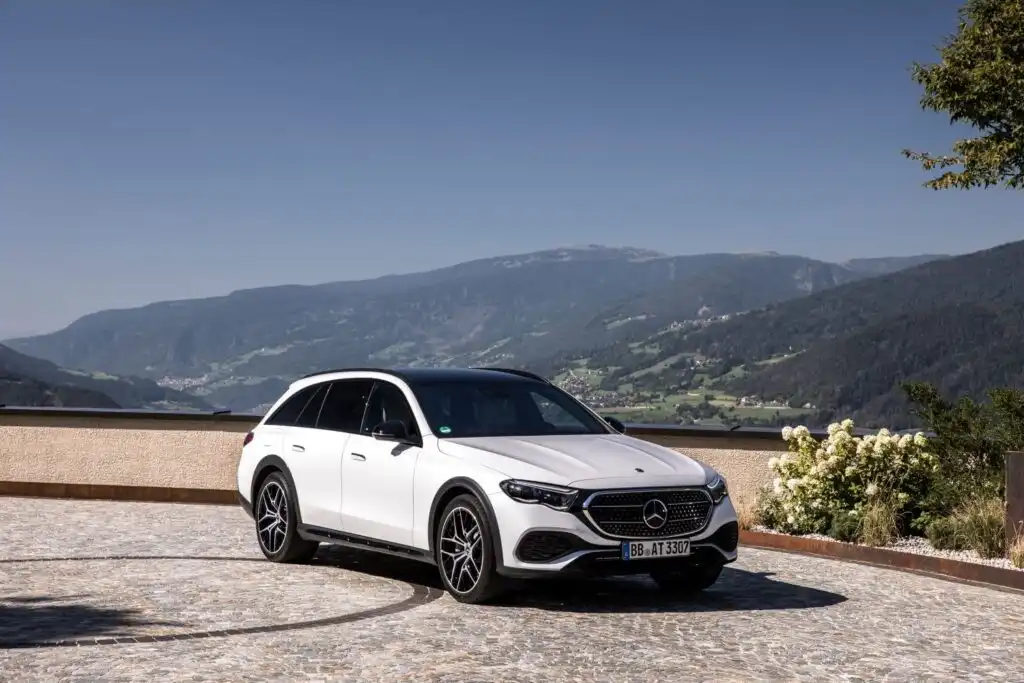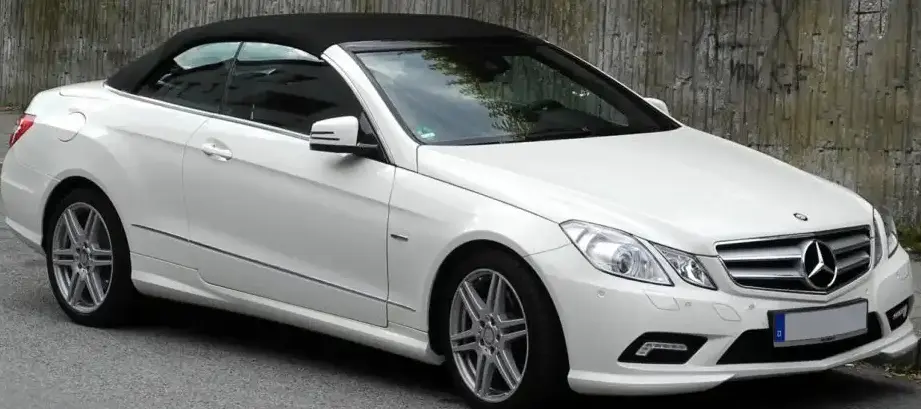
The Mercedes-Benz E-Class Cabriolet (A207) E 350 CDI BlueEFFICIENCY, produced from April 2011 to March 2013, represented a compelling blend of luxury, performance, and fuel efficiency within the mid-size convertible segment. Positioned as a mid-to-upper trim level within the A207 range, it offered a diesel-powered alternative to the gasoline-fueled E 350 and E 550 models. This variant aimed to appeal to buyers seeking a refined open-air driving experience without sacrificing practicality or long-distance comfort. It was part of the broader E-Class (W212) family, sharing its core platform and many interior components with the sedan and coupe versions.
Technical Specifications
| Brand | Mercedes-Benz |
| Model | E-Class |
| Generation | E-Class Cabrio (A207) |
| Type (Engine) | E 350 CDI BlueEFFICIENCY V6 (265 Hp) 7G-TRONIC PLUS |
| Start of production | April, 2011 |
| End of production | March, 2013 |
| Powertrain Architecture | Internal Combustion engine |
| Body type | Cabriolet |
| Seats | 4 |
| Doors | 2 |
| Fuel consumption (urban) | 7.3-7.6 l/100 km (32.2 – 30.9 US mpg) |
| Fuel consumption (extra urban) | 5.3-5.4 l/100 km (44.4 – 43.6 US mpg) |
| Fuel consumption (combined) | 6-6.2 l/100 km (39.2 – 37.9 US mpg) |
| CO2 emissions | 159-162 g/km |
| Fuel Type | Diesel |
| Acceleration 0 – 100 km/h | 6.4 sec |
| Acceleration 0 – 62 mph | 6.4 sec |
| Acceleration 0 – 60 mph | 6.1 sec |
| Maximum speed | 250 km/h (155.34 mph) |
| Emission standard | Euro 5 |
| Weight-to-power ratio | 6.8 kg/Hp |
| Weight-to-torque ratio | 2.9 kg/Nm |
| Power | 265 Hp @ 3800 rpm |
| Torque | 620 Nm @ 1600-2400 rpm (457.29 lb.-ft. @ 1600-2400 rpm) |
| Engine layout | Front, Longitudinal |
| Engine Model/Code | OM 642.838 |
| Engine displacement | 2987 cm3 (182.28 cu. in.) |
| Number of cylinders | 6 |
| Engine configuration | V-engine |
| Cylinder Bore | 83 mm (3.27 in.) |
| Piston Stroke | 92 mm (3.62 in.) |
| Compression ratio | 15.5:1 |
| Number of valves per cylinder | 4 |
| Fuel injection system | Diesel Commonrail |
| Engine aspiration | Turbocharger, Intercooler |
| Valvetrain | DOHC |
| Engine oil capacity | 6.5 l (6.87 US qt | 5.72 UK qt) |
| Coolant capacity | 12.3 l (13 US qt | 10.82 UK qt) |
| Kerb Weight | 1790 kg (3946.27 lbs.) |
| Max. weight | 2315 kg (5103.7 lbs.) |
| Max load | 525 kg (1157.43 lbs.) |
| Trunk (boot) space – minimum | 300 l (10.59 cu. ft.) |
| Trunk (boot) space – maximum | 390 l (13.77 cu. ft.) |
| Fuel tank capacity | 66 l (17.44 US gal | 14.52 UK gal) |
| Permitted trailer load with brakes (12%) | 1800 kg (3968.32 lbs.) |
| Permitted trailer load without brakes | 750 kg (1653.47 lbs.) |
| Permitted towbar download | 75 kg (165.35 lbs.) |
| Length | 4698 mm (184.96 in.) |
| Width | 1786 mm (70.31 in.) |
| Width including mirrors | 2015 mm (79.33 in.) |
| Height | 1398 mm (55.04 in.) |
| Wheelbase | 2760 mm (108.66 in.) |
| Front track | 1538 mm (60.55 in.) |
| Rear track | 1544 mm (60.79 in.) |
| Front overhang | 855 mm (33.66 in.) |
| Rear overhang | 1083 mm (42.64 in.) |
| Drag coefficient (Cd) | 0.29 |
| Minimum turning circle | 11 m (36.09 ft.) |
| Drivetrain Architecture | Rear wheel drive |
| Number of gears and type of gearbox | 7 gears, automatic transmission G-TRONIC PLUS |
| Front suspension | Coil spring, Independent multi-link suspension, Transverse stabilizer |
| Rear suspension | Independent multi-link spring suspension with stabilizer |
| Front brakes | Ventilated discs, 322 mm |
| Rear brakes | Ventilated discs, 300 mm |
| Steering type | Steering rack and pinion |
| Power steering | Hydraulic Steering |
| Front tires | 235/45 R17; 235/40 R18; 235/35 R19 |
| Rear tires | 235/45 R17; 255/40 R17; 255/35 R18; 255/30 R19 |
| Front wheel rims | 7.5J x 17; 8J x 18; 8J x 19; 8.5J x 19 |
| Rear wheel rims | 7.5J x 17; 8.5J x 17; 8.5J x 18; 8.5J x 19 |
Powertrain & Engine Architecture
The E 350 CDI BlueEFFICIENCY Cabriolet was powered by the OM642.838 3.0-liter V6 turbodiesel engine. This engine, a mainstay of Mercedes-Benz’s diesel lineup, featured a common rail direct injection system, delivering fuel at extremely high pressures for optimized combustion. The engine utilized a variable geometry turbocharger (VGT) and an intercooler to enhance power and efficiency. The DOHC (Double Overhead Camshaft) valvetrain, with four valves per cylinder, further contributed to the engine’s performance. The 7G-TRONIC PLUS seven-speed automatic transmission, known for its smooth and responsive shifts, was standard. This transmission featured a torque converter lock-up clutch to improve fuel economy at cruising speeds. The ‘BlueEFFICIENCY’ designation indicated the inclusion of fuel-saving technologies such as start-stop functionality and optimized aerodynamics.
Driving Characteristics
The 265 horsepower and 457 lb-ft of torque produced by the OM642.838 engine provided ample power for comfortable and confident cruising. Acceleration from 0-60 mph was achieved in approximately 6.1 seconds, making it a reasonably quick convertible. However, the 7G-TRONIC PLUS transmission, while smooth, was tuned more for efficiency than outright performance. Compared to the E 350 gasoline variant, the CDI offered significantly more torque at lower engine speeds, resulting in effortless overtaking and relaxed highway driving. The automatic transmission’s gear ratios were optimized for fuel economy, sometimes feeling slightly conservative in terms of responsiveness when driven aggressively. The rear-wheel drive configuration provided a balanced driving experience, though it lacked the all-weather capability of the 4MATIC all-wheel drive system available on other E-Class models.
Equipment & Trim Levels
The E 350 CDI BlueEFFICIENCY Cabriolet typically came well-equipped with standard features including leather upholstery, automatic climate control, a premium sound system, and power-adjustable seats. Optional extras included features like the AIRCAP system (which reduced turbulence in the cabin at higher speeds), the AIRSCARF system (which provided warm air around the neck and shoulders), and various driver assistance systems such as lane keeping assist and blind spot monitoring. Interior trim options included wood veneers and aluminum accents. The standard dashboard configuration featured a central display screen for infotainment and vehicle settings.
Chassis & Braking
The A207 Cabriolet utilized a sophisticated suspension system designed to balance comfort and handling. The front suspension featured coil springs and an independent multi-link setup with a transverse stabilizer bar. The rear suspension employed an independent multi-link spring suspension, also with a stabilizer bar. Braking duties were handled by ventilated disc brakes on all four wheels, providing ample stopping power. Anti-lock braking system (ABS) was standard. The steering system was a rack-and-pinion setup with hydraulic power assistance, offering precise and responsive steering feel.
Market Reception & Comparison
The E 350 CDI BlueEFFICIENCY Cabriolet was generally well-received by automotive critics. It was praised for its refined driving experience, fuel efficiency, and comfortable interior. Compared to the E 350 gasoline variant, the CDI offered superior fuel economy and torque, making it a more practical choice for long-distance drivers. However, some reviewers noted that the diesel engine lacked the sporty character of the gasoline engines. Against competitors like the BMW 3 Series Convertible and Audi A5 Cabriolet, the E-Class offered a more luxurious and spacious interior, but often at a higher price point.
Legacy
The OM642 engine family, including the OM642.838 found in the E 350 CDI, is known for its durability and reliability. With proper maintenance, these engines can accumulate high mileage without major issues. The 7G-TRONIC PLUS transmission is also generally considered reliable, although some units may require fluid changes and occasional servicing. In the used car market, the E 350 CDI Cabriolet represents a good value for buyers seeking a luxurious and fuel-efficient convertible. However, potential buyers should be aware of the potential for diesel emissions system issues, particularly with older models. The A207 E-Class Cabriolet, and specifically this diesel variant, remains a desirable vehicle for those seeking a blend of open-air enjoyment and Mercedes-Benz refinement.