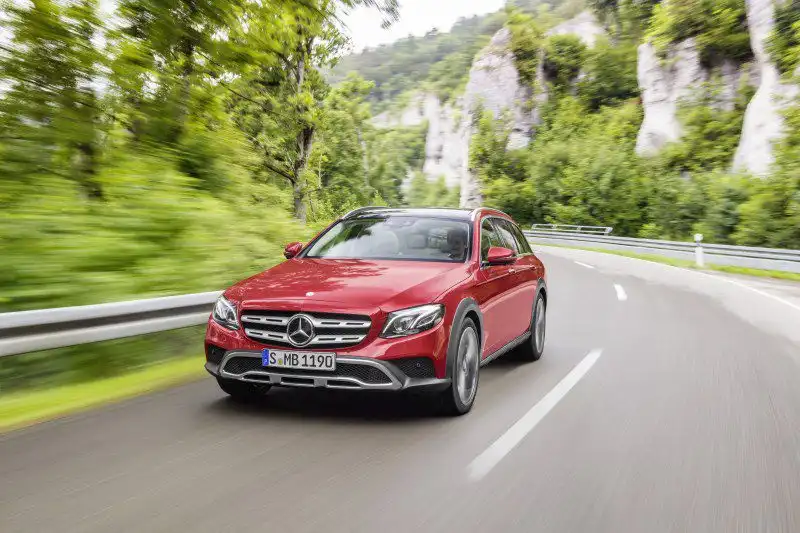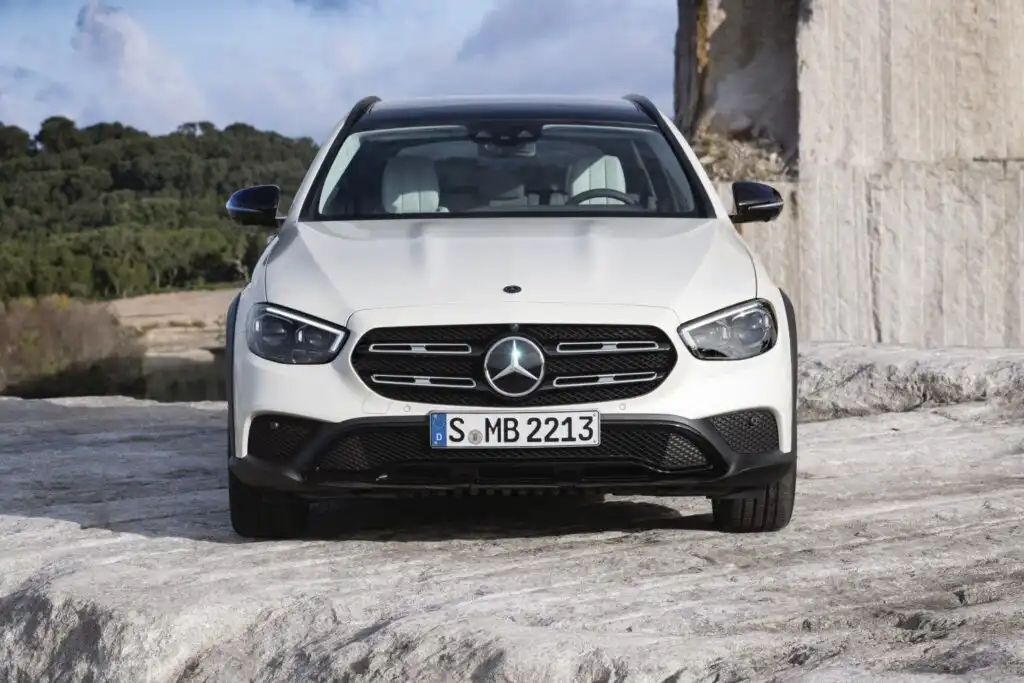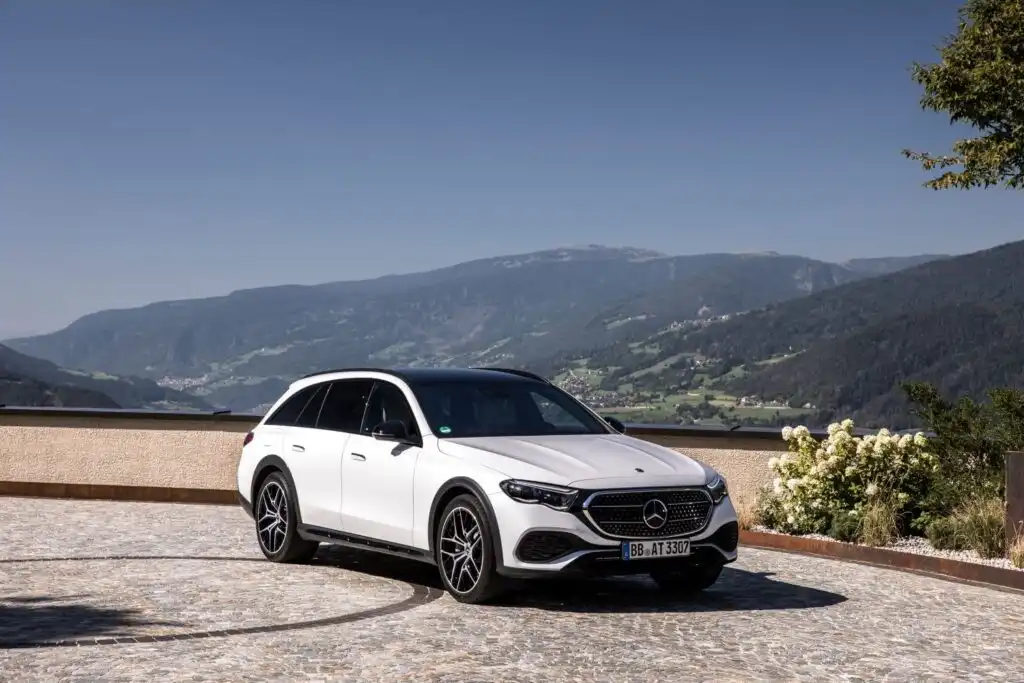
The Mercedes-Benz E-Class Cabriolet (A238) E 200 4MATIC, produced from 2017 to 2019, represented an entry point into the luxurious open-top E-Class range. Positioned as a blend of comfort, style, and accessible performance, this variant offered all-wheel drive and a sophisticated 9-speed automatic transmission. It served as a compelling alternative to the more powerful E 300 and E 400 models, appealing to buyers prioritizing a refined driving experience over outright speed. The A238 generation marked a significant step forward in design and technology for the E-Class Cabriolet, building upon the success of its predecessors.
Technical Specifications
| Brand | Mercedes-Benz |
| Model | E-Class |
| Generation | E-Class Cabrio (A238) |
| Type | E 200 (184 Hp) 4MATIC 9G-TRONIC |
| Start of production | 2017 |
| End of production | 2019 |
| Powertrain Architecture | Internal Combustion engine |
| Body type | Cabriolet |
| Seats | 4 |
| Doors | 2 |
| Fuel consumption (urban) | 9.7-10.3 l/100 km (24.2 – 22.8 US mpg) |
| Fuel consumption (extra urban) | 6.4-6.6 l/100 km (36.8 – 35.6 US mpg) |
| Fuel consumption (combined) | 7.7-7.9 l/100 km (30.5 – 29.8 US mpg) |
| CO2 emissions | 175-181 g/km |
| Fuel Type | Petrol (Gasoline) |
| Acceleration 0 – 100 km/h | 8.3 sec |
| Acceleration 0 – 62 mph | 8.3 sec |
| Acceleration 0 – 60 mph | 7.9 sec |
| Maximum speed | 230 km/h (142.92 mph) |
| Emission standard | Euro 6 |
| Weight-to-power ratio | 9.5 kg/Hp |
| Weight-to-torque ratio | 5.8 kg/Nm |
| Power | 184 Hp @ 5500 rpm |
| Torque | 300 Nm @ 1200-4000 rpm (221.27 lb.-ft.) |
| Engine layout | Front, Longitudinal |
| Engine Model/Code | M 274.920 |
| Engine displacement | 1991 cm3 (121.5 cu. in.) |
| Number of cylinders | 4 |
| Engine configuration | Inline |
| Number of valves per cylinder | 4 |
| Fuel injection system | Direct injection |
| Engine aspiration | Turbocharger, Intercooler |
| Engine oil capacity | 6.5 l (6.87 US qt | 5.72 UK qt) |
| Kerb Weight | 1750 kg (3858.09 lbs.) |
| Max. weight | 2320 kg (5114.72 lbs.) |
| Max load | 570 kg (1256.63 lbs.) |
| Fuel tank capacity | 50 l (13.21 US gal | 11 UK gal) |
| Permitted trailer load with brakes (12%) | 1800 kg (3968.32 lbs.) |
| Permitted trailer load without brakes | 750 kg (1653.47 lbs.) |
| Length | 4826 mm (190 in.) |
| Width | 1860 mm (73.23 in.) |
| Height | 1428 mm (56.22 in.) |
| Wheelbase | 2873 mm (113.11 in.) |
| Front track | 1605 mm (63.19 in.) |
| Front overhang | 841 mm (33.11 in.) |
| Rear overhang | 1112 mm (43.78 in.) |
| Drive wheel | All wheel drive (4×4) |
| Number of gears and type of gearbox | 9 gears, automatic transmission G-TRONIC |
| Front suspension | Independent multi-link suspension |
| Rear suspension | Independent multi-link suspension |
| Front brakes | Disc |
| Rear brakes | Ventilated discs |
| Assisting systems | ABS (Anti-lock braking system) |
| Steering type | Steering rack and pinion |
| Power steering | Electric Steering |
Powertrain & Engine Architecture
The E 200 4MATIC Cabriolet was powered by the M274.920 2.0-liter inline-four cylinder engine. This engine, a cornerstone of Mercedes-Benz’s modular engine family, featured direct fuel injection and a single turbocharger with an intercooler. The direct injection system allowed for precise fuel delivery, optimizing combustion efficiency and power output. The turbocharger boosted performance, providing 184 horsepower at 5500 rpm and 300 Nm (221 lb-ft) of torque available from a low 1200 rpm, sustaining through 4000 rpm. This broad torque curve contributed to responsive acceleration in everyday driving situations. The engine was paired with Mercedes-Benz’s 9G-TRONIC nine-speed automatic transmission. This transmission was known for its smooth shifts and wide gear ratio spread, contributing to both fuel efficiency and comfortable cruising. The 4MATIC all-wheel-drive system distributed power between the front and rear axles, enhancing traction and stability, particularly in adverse weather conditions.
Driving Characteristics
The E 200 4MATIC Cabriolet offered a comfortable and refined driving experience. While not as overtly sporty as the higher-powered E-Class variants, the 2.0-liter engine provided adequate performance for most drivers. Acceleration from 0 to 60 mph took approximately 7.9 seconds, and the car had a top speed of 142.92 mph. The 9G-TRONIC transmission played a crucial role in delivering smooth and seamless gear changes, minimizing disruptions during acceleration and deceleration. The all-wheel-drive system provided enhanced grip and stability, particularly on slippery surfaces. Compared to the manual transmission options available on other E-Class models, the 9G-TRONIC prioritized comfort and ease of use over driver engagement. The E 300, with its larger engine, offered significantly quicker acceleration and a more dynamic driving experience, while the E 200 focused on providing a relaxed and enjoyable ride.
Equipment & Trim Levels
The E 200 4MATIC Cabriolet came standard with a comprehensive array of features, reflecting Mercedes-Benz’s commitment to luxury and technology. Standard equipment included leather upholstery, automatic climate control, a high-resolution infotainment system with a central display screen, and a suite of safety features such as adaptive brake assist and collision prevention assist. Optional extras included features like a premium sound system, heated and ventilated seats, a head-up display, and advanced driver-assistance systems like lane keeping assist and blind spot monitoring. Interior trim options allowed buyers to personalize the cabin to their preferences, with choices ranging from wood veneers to aluminum accents. The Cabriolet’s soft top was available in a variety of colors and could be operated quickly and quietly at speeds up to 31 mph.
Chassis & Braking
The A238 E-Class Cabriolet featured a sophisticated chassis designed to provide a comfortable ride and precise handling. The front suspension utilized an independent multi-link setup, while the rear suspension also employed a multi-link design. This configuration minimized body roll and provided a stable platform for cornering. The E 200 4MATIC was equipped with disc brakes on all four wheels, with ventilated discs at the rear to improve heat dissipation. The anti-lock braking system (ABS) and electronic stability program (ESP) worked in conjunction to enhance braking performance and prevent skidding. The steering system was a rack-and-pinion setup with electric power assistance, providing precise and responsive steering feel.
Market Reception & Comparison
The E 200 4MATIC Cabriolet was generally well-received by automotive critics. It was praised for its comfortable ride, refined interior, and user-friendly technology. However, some reviewers noted that the 2.0-liter engine lacked the punch of the larger engines available in the E-Class range. Fuel economy was considered respectable, with combined fuel consumption figures ranging from 30.5 to 29.8 US mpg. In terms of reliability, the M274 engine family had a generally good reputation, although some owners reported issues with the turbocharger and fuel injectors. Compared to the E 300, the E 200 offered a more affordable entry point into the E-Class Cabriolet range, but at the expense of performance. The E 200 appealed to buyers who prioritized comfort and style over outright speed.
Legacy
The Mercedes-Benz E-Class Cabriolet (A238) E 200 4MATIC remains a desirable used car option. The M274 engine, while not without its potential issues, is generally considered reliable with proper maintenance. The 9G-TRONIC transmission has also proven to be durable and dependable. The A238 generation E-Class Cabriolet represents a significant step forward in terms of design, technology, and refinement, making it a compelling choice for buyers seeking a luxurious and comfortable open-top driving experience. Its blend of style, comfort, and all-wheel-drive capability continues to appeal to a wide range of buyers in the used car market.