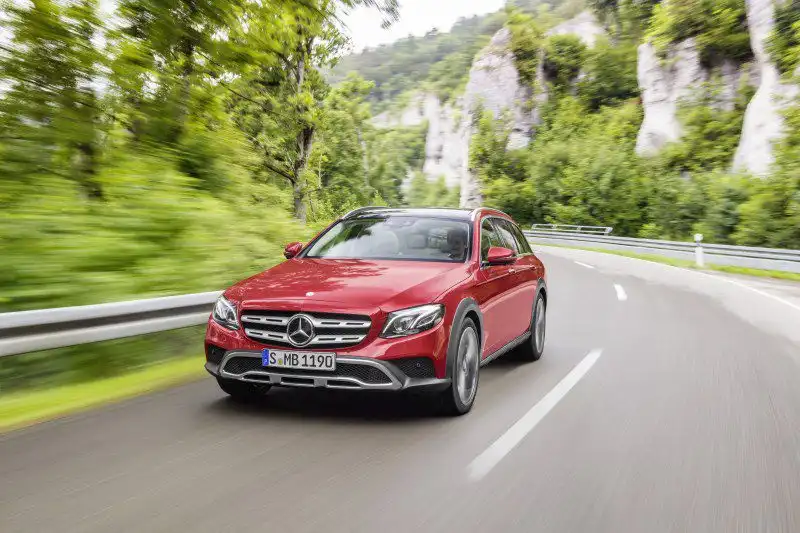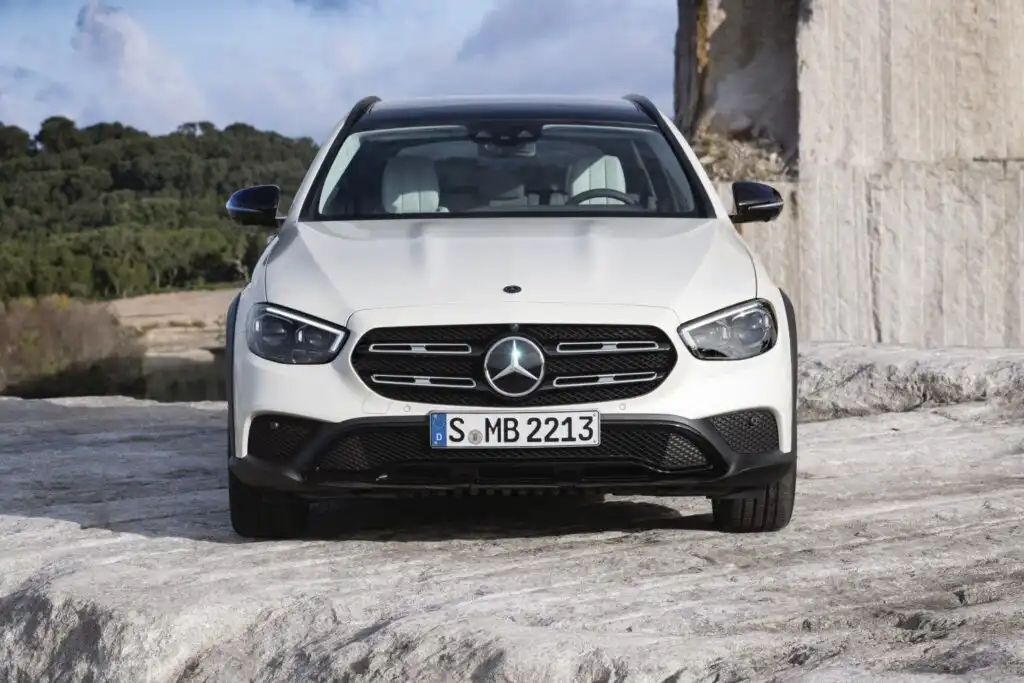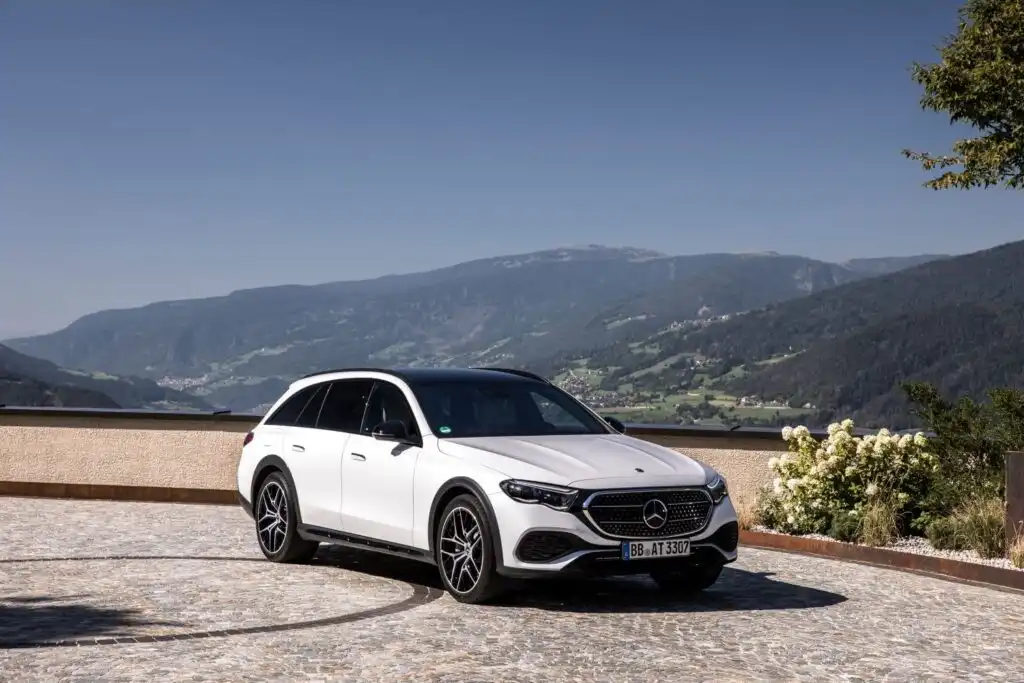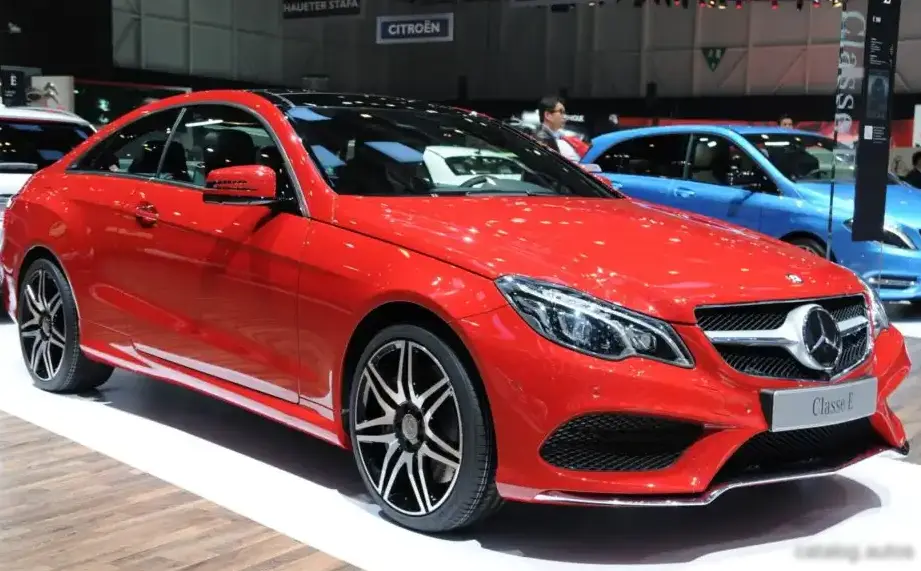
The Mercedes-Benz E-Class Coupe (C207 facelift), specifically the E 200 variant producing 184 horsepower, was a key model in the mid-size luxury coupe segment. Introduced in June 2013 and continuing through December 2016, this iteration of the E-Class Coupe represented a significant refresh of the C207 platform, originally launched in 2009. The facelift brought updated styling, improved efficiency, and enhanced technology, solidifying the E-Class Coupe’s position as a sophisticated and comfortable grand tourer. The E 200 served as a popular entry point into the Coupe range, offering a balance of performance and economy for buyers prioritizing style and refinement over outright speed.
Technical Specifications
| Brand | Mercedes-Benz |
| Model | E-Class |
| Generation | E-Class Coupe (C207, facelift 2013) |
| Type (Engine) | E 200 (184 Hp) |
| Start of production | June, 2013 |
| End of production | December, 2016 |
| Powertrain Architecture | Internal Combustion engine |
| Body type | Coupe |
| Seats | 4 |
| Doors | 2 |
| Fuel consumption (economy) – urban (NEDC) | 8.3-8.4 l/100 km (28.3 – 28 US mpg, 34 – 33.6 UK mpg, 12 – 11.9 km/l) |
| Fuel consumption (economy) – extra urban (NEDC) | 4.8-5.3 l/100 km (49 – 44.4 US mpg, 58.9 – 53.3 UK mpg, 20.8 – 18.9 km/l) |
| Fuel consumption (economy) – combined (NEDC) | 6.1-6.4 l/100 km (38.6 – 36.8 US mpg, 46.3 – 44.1 UK mpg, 16.4 – 15.6 km/l) |
| CO2 emissions (NEDC) | 142-150 g/km |
| Fuel Type | Petrol (Gasoline) |
| Acceleration 0 – 100 km/h | 8 sec |
| Acceleration 0 – 62 mph | 8 sec |
| Acceleration 0 – 60 mph | 7.6 sec |
| Maximum speed | 240 km/h (149.13 mph) |
| Emission standard | Euro 6 |
| Weight-to-power ratio | 8.2 kg/Hp, 121.9 Hp/tonne |
| Weight-to-torque ratio | 5 kg/Nm, 198.7 Nm/tonne |
| Power | 184 Hp @ 5500 rpm |
| Power per litre | 92.4 Hp/l |
| Torque | 300 Nm @ 1200-4000 rpm (221.27 lb.-ft. @ 1200-4000 rpm) |
| Engine layout | Front, Longitudinal |
| Engine Model/Code | M 274.920 |
| Engine displacement | 1991 cm3 (121.5 cu. in.) |
| Number of cylinders | 4 |
| Engine configuration | Inline |
| Cylinder Bore | 83 mm (3.27 in.) |
| Piston Stroke | 92 mm (3.62 in.) |
| Compression ratio | 9.8:1 |
| Number of valves per cylinder | 4 |
| Fuel injection system | Direct injection |
| Engine aspiration | Turbocharger, Intercooler |
| Valvetrain | DOHC |
| Engine oil capacity | 6.3 l (6.66 US qt | 5.54 UK qt) |
| Coolant | 8.5 l (8.98 US qt | 7.48 UK qt) |
| Kerb Weight | 1510 kg (3328.98 lbs.) |
| Max. weight | 2055 kg (4530.5 lbs.) |
| Max load | 545 kg (1201.52 lbs.) |
| Trunk (boot) space – minimum | 450 l (15.89 cu. ft.) |
| Fuel tank capacity | 66 l (17.44 US gal | 14.52 UK gal) |
| Max. roof load | 100 kg (220.46 lbs.) |
| Permitted trailer load with brakes (12%) | 1800 kg (3968.32 lbs.) |
| Permitted trailer load without brakes | 750 kg (1653.47 lbs.) |
| Permitted towbar download | 75 kg (165.35 lbs.) |
| Length | 4703 mm (185.16 in.) |
| Width | 1786 mm (70.31 in.) |
| Width including mirrors | 2016 mm (79.37 in.) |
| Height | 1397 mm (55 in.) |
| Wheelbase | 2760 mm (108.66 in.) |
| Front track | 1538 mm (60.55 in.) |
| Rear (Back) track | 1541 mm (60.67 in.) |
| Front overhang | 862 mm (33.94 in.) |
| Rear overhang | 1081 mm (42.56 in.) |
| Drag coefficient (Cd) | 0.25 |
| Minimum turning circle (turning diameter) | 11.15 m (36.58 ft.) |
| Drivetrain Architecture | The Internal combustion engine (ICE) drives the rear wheels of the vehicle. |
| Drive wheel | Rear wheel drive |
| Number of gears and type of gearbox | 6 gears, manual transmission |
| Front suspension | Coil spring, Independent multi-link suspension, Transverse stabilizer |
| Rear suspension | Independent multi-link spring suspension with stabilizer |
| Front brakes | Ventilated discs |
| Rear brakes | Disc |
| Assisting systems | ABS (Anti-lock braking system) |
| Steering type | Steering rack and pinion |
| Power steering | Electric Steering |
| Tires size | Front wheel tires: 235/45 R17; 235/40 R18; 235/35 R19Rear wheel tires: 235/45 R17; 255/35 R18; 255/30 R19 |
| Wheel rims size | Front wheel rims: 7.5J x 17; 8J x 18; 8J x 19; 8.5J x 19Rear wheel rims: 7.5J x 17; 8.5J x 18; 8.5J x 19 |
INTRODUCTION
The Mercedes-Benz E 200 Coupe (C207 facelift) represented a compelling blend of luxury, style, and efficiency within the E-Class range. Positioned as the entry-level engine option for the Coupe, it catered to buyers who desired the elegant design and premium features of the E-Class without the higher price tag or performance focus of the E 350 or E 550 models. The C207 platform, sharing underpinnings with the W204 sedan, benefited from the 2013 facelift which brought a more contemporary aesthetic and technological upgrades. This variant was primarily sold in Europe and other international markets, with a smaller presence in North America where larger engines were generally preferred.
Powertrain & Engine Architecture
The E 200 Coupe was powered by the M274.920 2.0-liter inline-four cylinder engine. This engine, a key component of Mercedes-Benz’s modular engine family, featured direct fuel injection and a single turbocharger with an intercooler. The direct injection system allowed for precise fuel delivery, optimizing combustion efficiency and power output. The turbocharger boosted performance, providing 184 horsepower at 5500 rpm and 300 Nm (221 lb-ft) of torque available from a low 1200 rpm all the way to 4000 rpm. This broad torque curve contributed to responsive acceleration and effortless cruising. The engine utilized a double overhead camshaft (DOHC) valvetrain with four valves per cylinder, further enhancing its breathing and efficiency. The E 200 was typically paired with a 6-speed manual transmission, although a 5-speed automatic transmission was also available, impacting fuel economy and acceleration slightly. The Start & Stop system was standard, contributing to reduced fuel consumption in urban driving conditions.
Driving Characteristics
The E 200 Coupe, with its 184 hp and 300 Nm of torque, offered a comfortable and refined driving experience. Acceleration from 0-60 mph took approximately 7.6 seconds, and 0-100 km/h in 8 seconds, making it adequately quick for everyday driving and highway merging. While not as exhilarating as the more powerful E 350 or E 550 models, the E 200 provided sufficient power for relaxed cruising and occasional spirited driving. The automatic transmission, while smooth, could sometimes feel hesitant during quick downshifts. The broad torque band meant that the engine rarely felt strained, even when fully loaded. The rear-wheel-drive configuration contributed to balanced handling, although it wasn’t a particularly sporty car. The focus was on comfort and stability rather than aggressive cornering.
Equipment & Trim Levels
The E 200 Coupe came standard with a generous array of features, reflecting its position as a luxury vehicle. Standard equipment typically included automatic climate control, a high-quality audio system, leather upholstery, and power-adjustable front seats. The interior featured Mercedes-Benz’s signature attention to detail, with high-quality materials and a well-designed dashboard layout. Optional extras included a panoramic sunroof, upgraded audio systems (such as Harman Kardon), navigation system, parking assist, and various driver assistance features. Trim levels varied by market, but generally offered options for different interior finishes, wood trim choices, and exterior styling enhancements.
Chassis & Braking
The C207 E-Class Coupe utilized a sophisticated chassis design, featuring a multi-link independent suspension at both the front and rear. This suspension setup provided a comfortable ride while maintaining good handling characteristics. The front suspension incorporated coil springs and a transverse stabilizer bar to reduce body roll. The rear suspension also featured coil springs and a stabilizer bar. Braking duties were handled by ventilated discs at the front and solid discs at the rear, providing adequate stopping power. Anti-lock braking system (ABS) was standard, enhancing safety and control during emergency braking situations. The steering system was a rack and pinion setup with electric power steering, offering precise and responsive steering feel.
Market Reception & Comparison
The E 200 Coupe was generally well-received by automotive critics, who praised its stylish design, comfortable ride, and fuel efficiency. However, some reviewers noted that the engine lacked the punch of its larger counterparts. Compared to the E 350, the E 200 offered significantly lower running costs but sacrificed performance. The E 200’s fuel economy, ranging from 6.1 to 6.4 l/100 km (38.6-36.8 US mpg), was a key selling point, making it an attractive option for buyers prioritizing efficiency. Reliability was generally good, although like any complex vehicle, the E 200 Coupe could experience issues with its electronic systems or turbocharger over time.
Legacy
The Mercedes-Benz E 200 Coupe (C207 facelift) remains a desirable used car option for buyers seeking a stylish and comfortable luxury coupe. The M274 engine, while not known for being exceptionally robust, has proven reasonably reliable with proper maintenance. Common issues include turbocharger wear and potential oil leaks. The availability of parts is generally good, and the E-Class Coupe’s reputation for build quality ensures that well-maintained examples can provide many years of reliable service. Today, these coupes represent a good value proposition, offering a taste of Mercedes-Benz luxury at a more accessible price point.