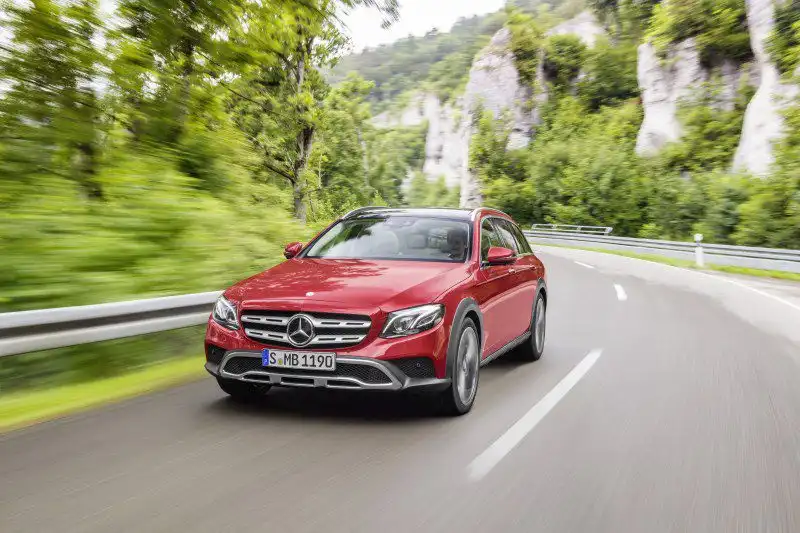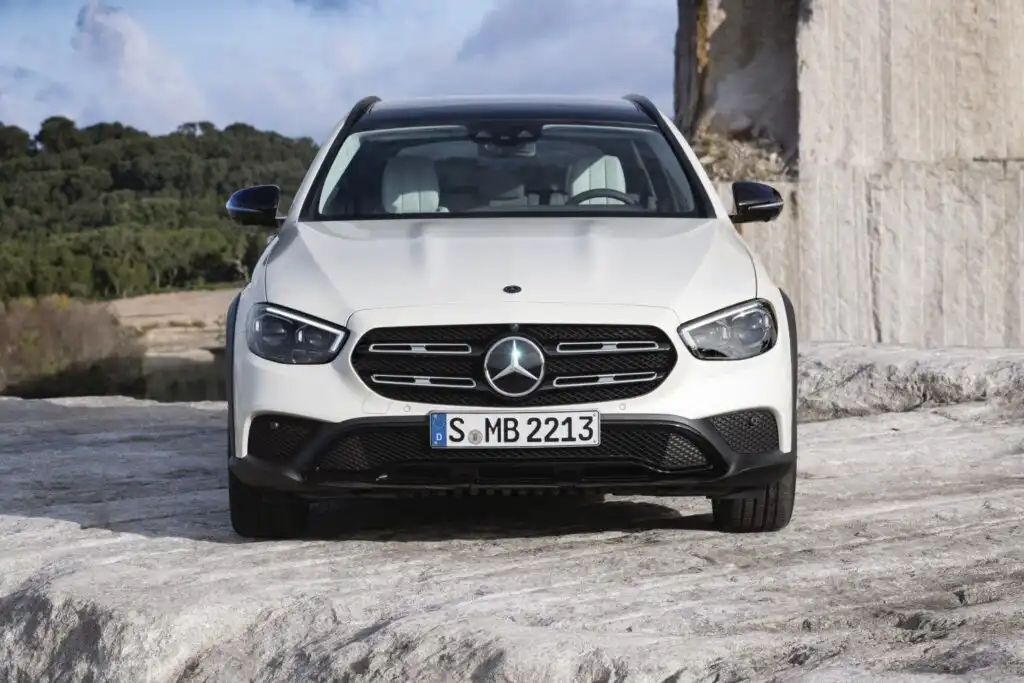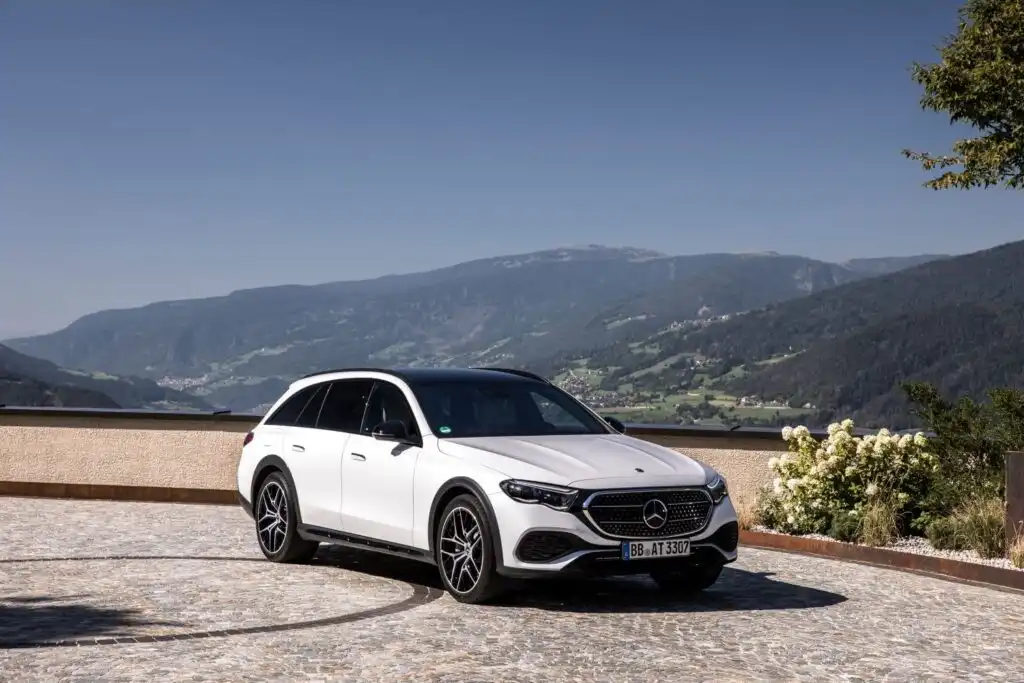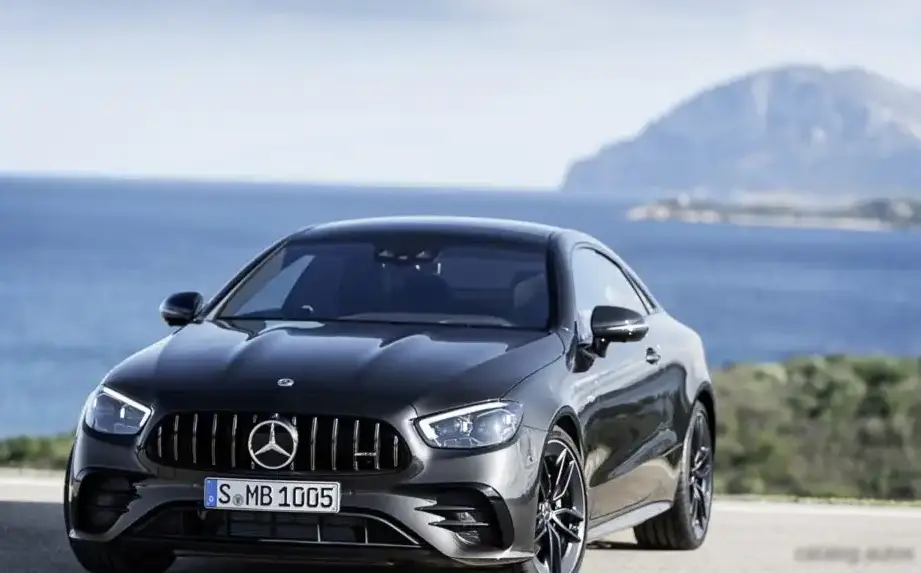
The Mercedes-Benz E-Class Coupe (C238) facelift, specifically the E 300 variant with 258 horsepower and EQ Boost technology paired with the 9G-TRONIC automatic transmission, represents a significant evolution in the luxury coupe segment. Introduced for the 2020 model year and continuing through 2023, this version of the E-Class Coupe blended performance, efficiency, and advanced technology within the broader C238 generation. It occupied a mid-to-upper position in the E-Class Coupe lineup, offering a compelling alternative to the base E 350 models and serving as a stepping stone to the more potent AMG variants.
Technical Specifications
| Brand | Mercedes-Benz |
| Model | E-class |
| Generation | E-class Coupe (C238, facelift 2020) |
| Type (Engine) | E 300 (258 Hp) EQ Boost 9G-TRONIC |
| Start of production | 2020 |
| End of production | 2023 |
| Powertrain Architecture | MHEV (Mild Hybrid Electric Vehicle) |
| Body type | Coupe |
| Seats | 4 |
| Doors | 2 |
| Fuel consumption (urban) | 9.1-9.4 l/100 km (25.8 – 25 US mpg) |
| Fuel consumption (extra urban) | 5.3-5.8 l/100 km (44.4 – 40.6 US mpg) |
| Fuel consumption (combined) | 6.7-7.2 l/100 km (35.1 – 32.7 US mpg) |
| CO2 emissions | 153-164 g/km |
| Fuel Type | Petrol (Gasoline) |
| Acceleration 0 – 100 km/h | 6.4 sec |
| Acceleration 0 – 62 mph | 6.4 sec |
| Acceleration 0 – 60 mph | 6.1 sec |
| Maximum speed | 250 km/h (155.34 mph) |
| Emission standard | EURO 6d-ISC-FCM |
| Weight-to-power ratio | 6.6 kg/Hp |
| Weight-to-torque ratio | 4.6 kg/Nm |
| Battery voltage | 48 V |
| Electric motor power | 14 Hp |
| Power | 258 Hp |
| Torque | 370 Nm (272.9 lb.-ft.) @ 1650-4000 rpm |
| Engine layout | Front, Longitudinal |
| Engine Model/Code | M 264 |
| Engine displacement | 1991 cm3 (121.5 cu. in.) |
| Number of cylinders | 4 |
| Engine configuration | Inline |
| Fuel injection system | Direct injection |
| Engine aspiration | Turbocharger, Intercooler |
| Engine oil capacity | 6.6 l (6.97 US qt | 5.81 UK qt) |
| Kerb Weight | 1700 kg (3747.86 lbs.) |
| Max. weight | 2315 kg (5103.7 lbs.) |
| Max load | 615 kg (1355.84 lbs.) |
| Trunk (boot) space (minimum) | 405 l (14.3 cu. ft.) |
| Fuel tank capacity | 66 l (17.44 US gal | 14.52 UK gal) |
| Permitted trailer load (with brakes) | 1800 kg (3968.32 lbs.) |
| Permitted trailer load (without brakes) | 750 kg (1653.47 lbs.) |
| Length | 4835 mm (190.35 in.) |
| Width | 1860 mm (73.23 in.) |
| Width including mirrors | 2055 mm (80.91 in.) |
| Height | 1428 mm (56.22 in.) |
| Wheelbase | 2873 mm (113.11 in.) |
| Number of gears | 9 |
| Gearbox type | Automatic (9G-TRONIC) |
Powertrain & Engine Architecture
At the heart of the E 300 Coupe lies the M 264 2.0-liter inline-four cylinder engine. This engine utilizes direct fuel injection and is coupled with a single twin-scroll turbocharger and intercooler, producing 258 horsepower and 272.9 lb.-ft. of torque. The key differentiating factor is the 48-volt EQ Boost mild-hybrid system. This system incorporates an integrated starter-generator (ISG) that adds 14 horsepower of electric boost and allows for features like extended coasting, smoother start/stop operation, and reduced engine load. The 9G-TRONIC nine-speed automatic transmission is standard, offering smooth and efficient gear changes. This transmission is known for its wide gear ratio spread, contributing to both fuel economy and responsive acceleration.
Driving Characteristics
The E 300 Coupe with the 9G-TRONIC transmission delivers a refined and comfortable driving experience. While not as overtly sporty as the AMG variants, the 258 hp engine provides ample power for everyday driving and confident highway passing. The EQ Boost system subtly enhances responsiveness, particularly during acceleration from a standstill. The 9G-TRONIC transmission is programmed for smooth shifts, prioritizing comfort over aggressive gear changes. Compared to a manual transmission equipped E-Class, the automatic offers a more relaxed driving experience, but sacrifices some driver engagement. The gear ratios are tuned for efficiency, keeping engine speeds relatively low during cruising, which contributes to good fuel economy.
Equipment & Trim Levels
The E 300 Coupe came well-equipped as standard. Typical features included MB-Tex synthetic leather upholstery, heated front seats, a 12.3-inch digital instrument cluster, and the Mercedes-Benz User Experience (MBUX) infotainment system with voice control. Optional extras were plentiful, including genuine leather upholstery, a premium Burmester sound system, a panoramic sunroof, and advanced driver-assistance systems like adaptive cruise control and lane-keeping assist. Trim levels often revolved around package options, allowing buyers to customize their vehicle with specific combinations of features.
Chassis & Braking
The C238 E-Class Coupe features a multi-link independent suspension at all four corners, providing a comfortable ride and good handling characteristics. The suspension tuning is geared towards grand touring comfort rather than outright sportiness. Braking duties are handled by ventilated discs on all four wheels. Anti-lock braking system (ABS) and electronic stability control (ESC) are standard safety features. The E 300 Coupe typically featured a slightly softer suspension setup compared to the more performance-oriented AMG models.
Market Reception & Comparison
The E 300 Coupe with EQ Boost was generally well-received by automotive critics. It was praised for its refined ride, comfortable interior, and advanced technology. Fuel economy was considered competitive for its class. Compared to the E 350, the E 300 offered a slightly more affordable entry point into the E-Class Coupe range, while still providing a luxurious and capable driving experience. Against rivals like the BMW 4 Series Coupe and Audi A5 Coupe, the E 300 Coupe stood out with its sophisticated interior and advanced technology features.
Legacy
The M 264 engine, coupled with the 9G-TRONIC transmission, has proven to be a reliable powertrain combination. While the EQ Boost system adds complexity, it has generally been trouble-free. On the used car market, the 2020-2023 E 300 Coupe holds its value well, appealing to buyers seeking a luxurious and technologically advanced coupe. Regular maintenance, including oil changes and adherence to the manufacturer’s recommended service intervals, is crucial for long-term reliability. The integration of mild-hybrid technology in this generation of E-Class Coupes marked a significant step towards greater fuel efficiency and reduced emissions.